What Is CNC Machining?
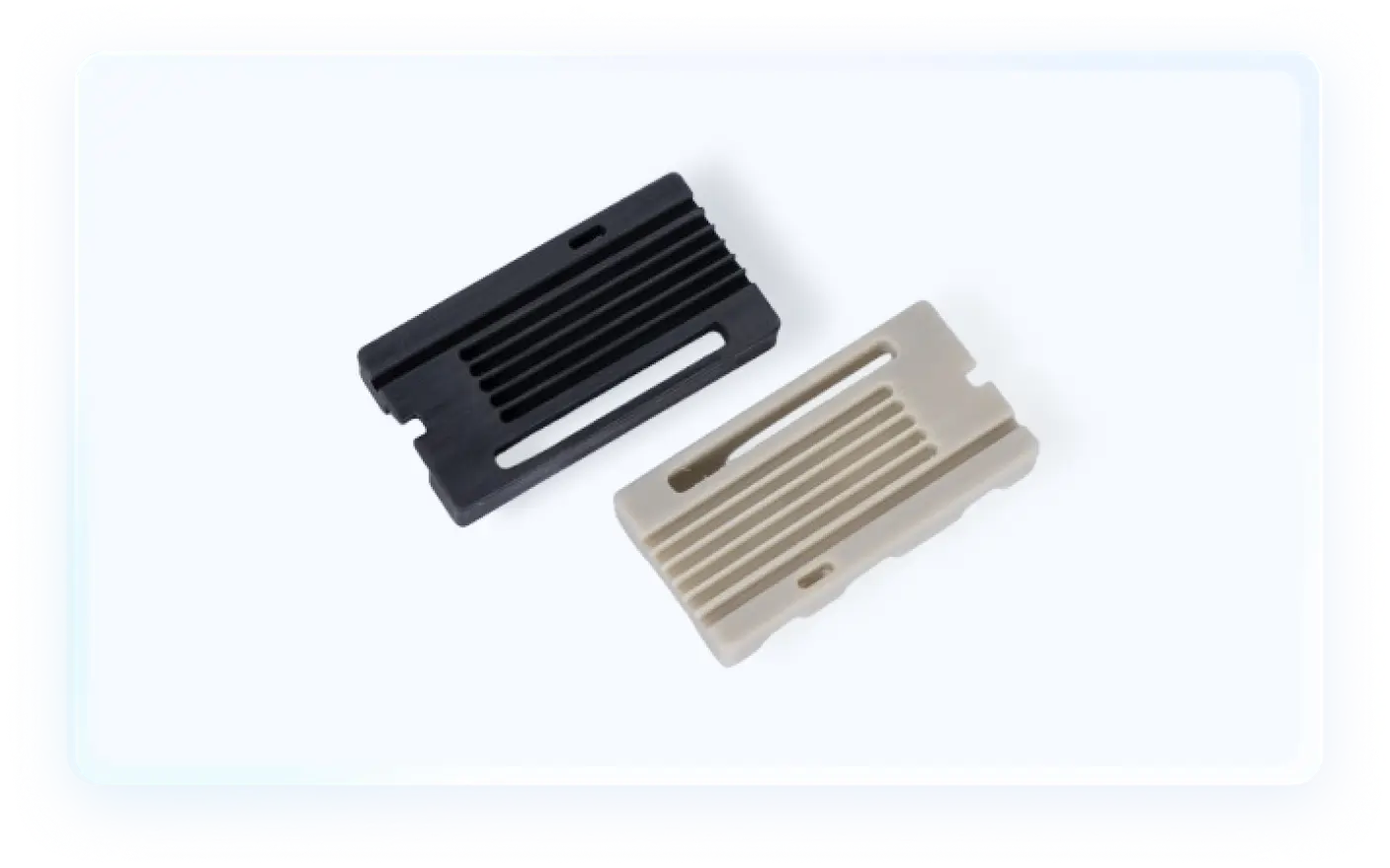
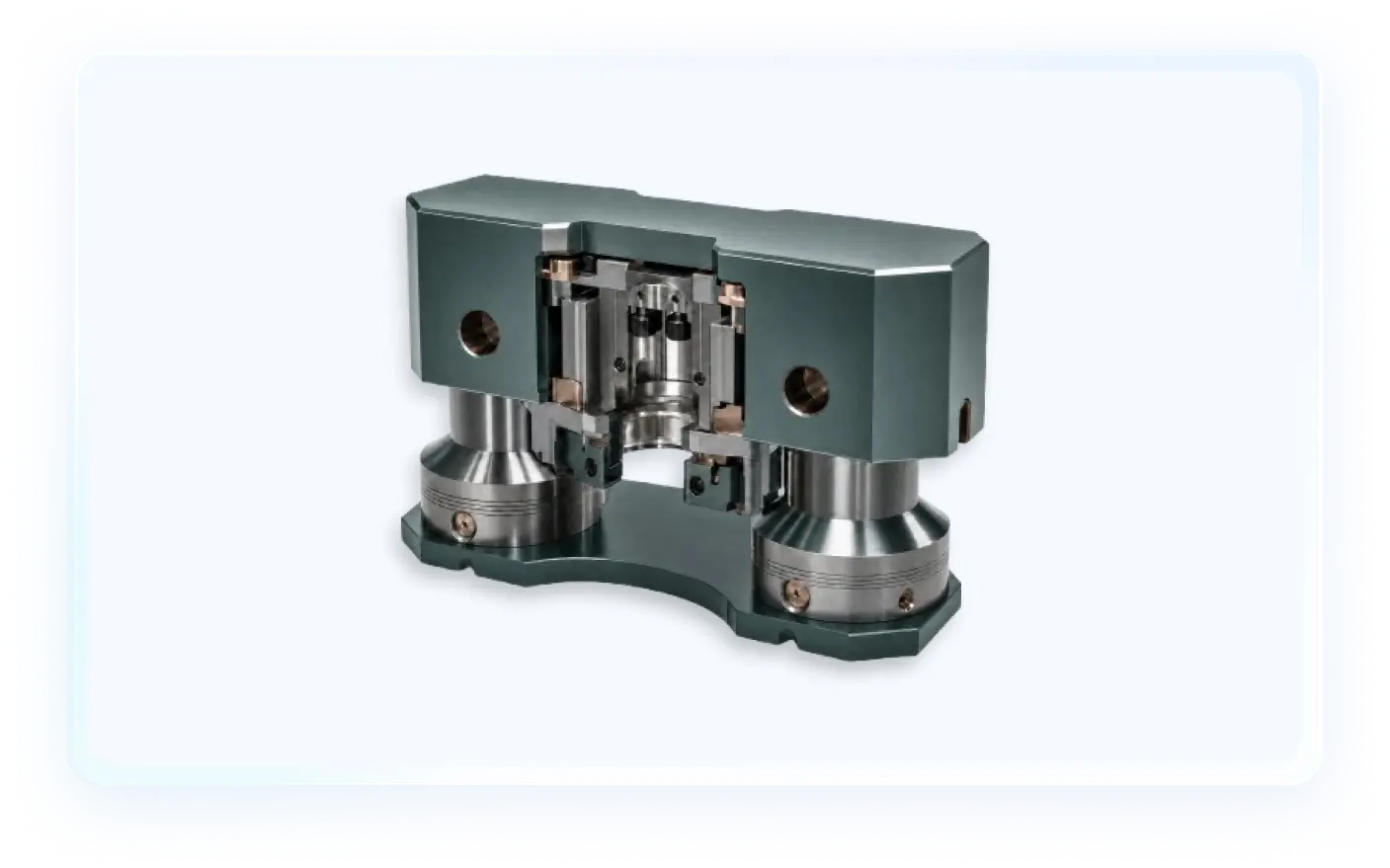
CNC machining, or computer numerical control machining, is used to produce custom parts from solid metal or plastic stock. The work may be done by milling or turning. In more complex cases, 5-axis machining is used when the part cannot be reached efficiently from a simpler setup.
Most CNC-machined parts begin with a CAD (computer-aided design) model. A wide range of metal alloys and rigid plastics can be machined with good precision and repeatability, but that alone does not define CNC capability. Geometry still matters, and tolerances placed on critical features matter even more once they begin to influence setup and tooling. In practice, capability is better judged by whether the part can be produced consistently to drawing than by machine type alone.
Custom CNC Machining Services
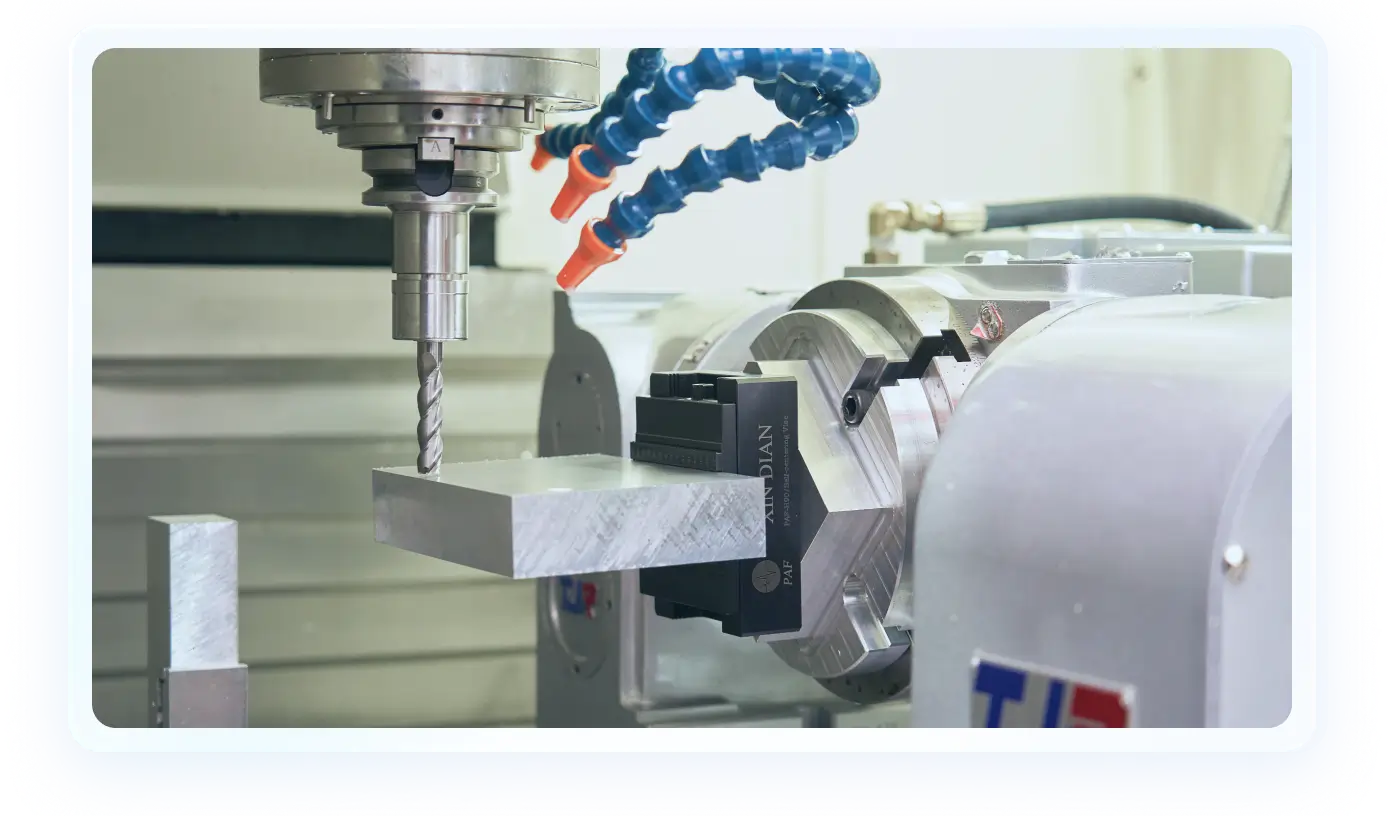
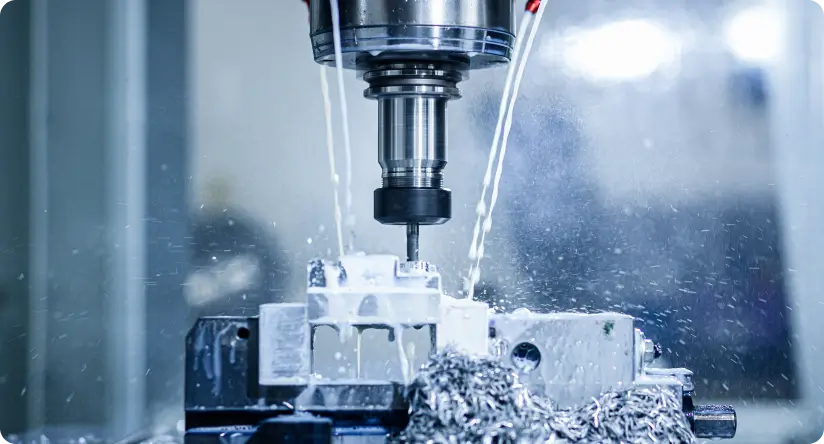
 CNC Milling
- Removes material with a rotating cutting tool while the workpiece remains fixed.
- Aluminum, copper, plastic, steel alloy, stainless steel
- Typical tolerance: ISO 2768/m;±0.1mm;±0.05mm;±0.02mm
- ISO 9001-certified
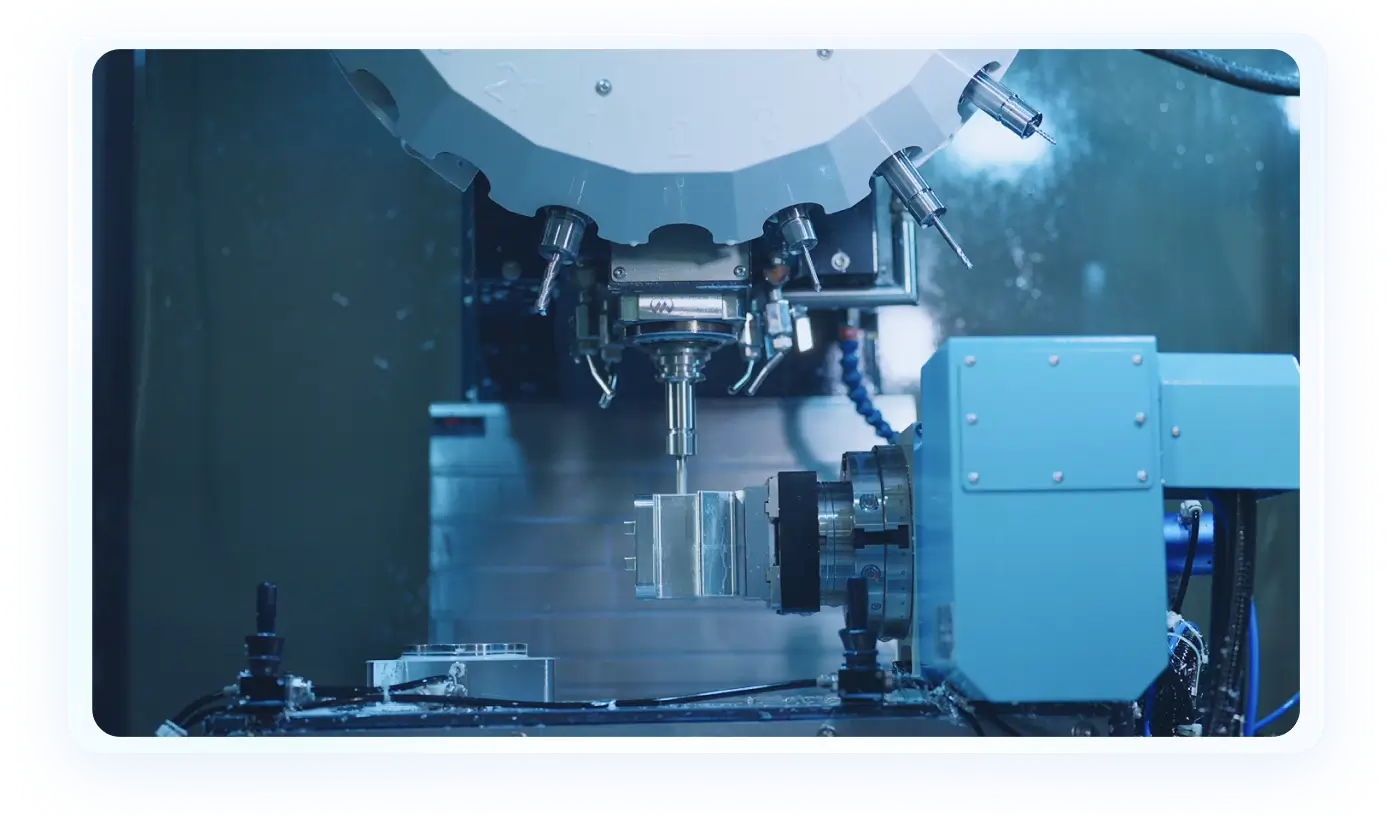
 5-Axis CNC Milling
- Machines complex geometry across multiple axes in fewer setups.
- Aluminum, copper, plastic, steel alloy, stainless steel
- Typical tolerance: ISO 2768/m;±0.1mm;±0.05mm;±0.02mm
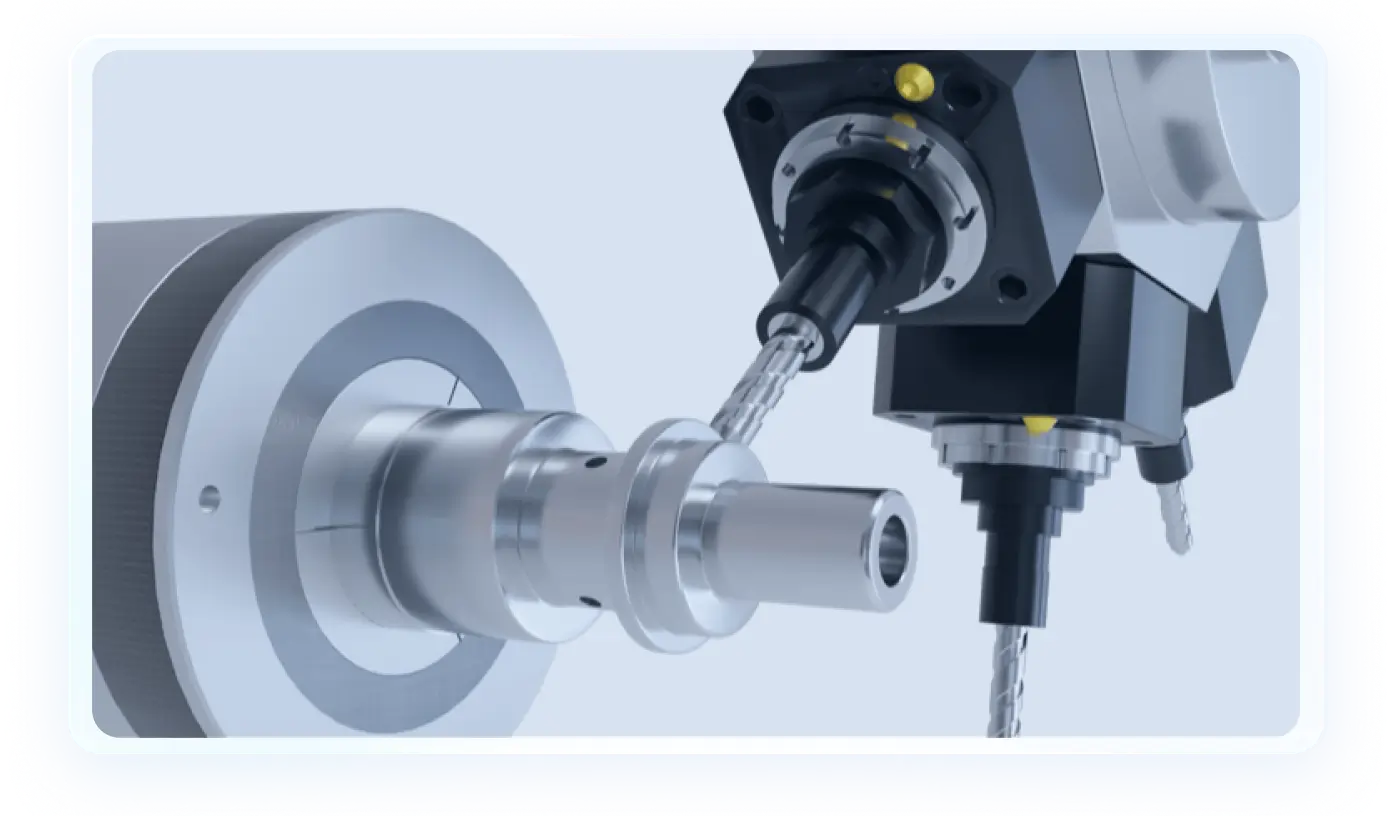
 CNC Turning
- Removes material by rotating the workpiece against a cutting tool.
- Aluminum, copper, plastic, steel alloy, stainless steel
- Typical tolerance: ISO 2768/m;±0.1mm;±0.05mm;±0.02mm
- ISO 9001-certified
CNC Machining Capabilities
Parameter | Description |
|---|
Maximum Part Size | Up to 950 × 560 × 120 mm for selected 3-axis machining setups; actual capacity depends on the machining process and part geometry. |
Standard Lead Time | Starting from 3 business days |
Standard Tolerances | General tolerances follow ISO 2768-m. Tighter tolerances such as ±0.1 mm or ±0.02 mm can be achieved depending on part geometry and feature requirements. |
Tightest Tolerance | Up to ±0.02 mm |
Minimum Part Size | 5 × 5 × 1 mm |
Threading Capability | Standard and custom threads can be machined, with threaded insert services available when required. |
Surface Roughness | Surface finish can reach Ra 0.8, with Ra 3.2 and Ra 1.6 also available depending on the application. |
Surface Finishing | Available finishing options include anodizing, bead blasting, laser marking, UV printing and other common options. |
CNC Machining Materials
Aluminum CNC Machining
- Aluminum 6061: lightweight, machinable, corrosion-resistant
- Aluminum 7075: high-strength, hard, fatigue-resistant
Steel Alloys CNC Machining
Stainless Steel CNC Machining
Copper Alloys CNC Machining
CNC Machining Surface Finishes
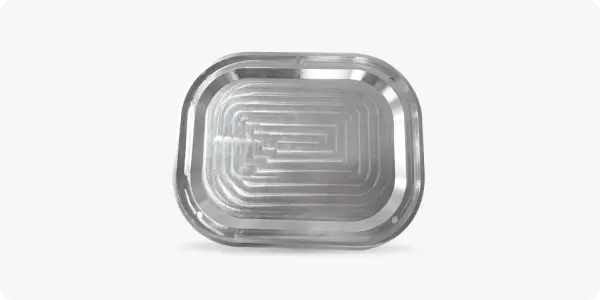
As Machined
Parts are machined and deburred, with sharp edges typically chamfered. Visible machining marks and light surface scratches may remain on this standard CNC surface finish.
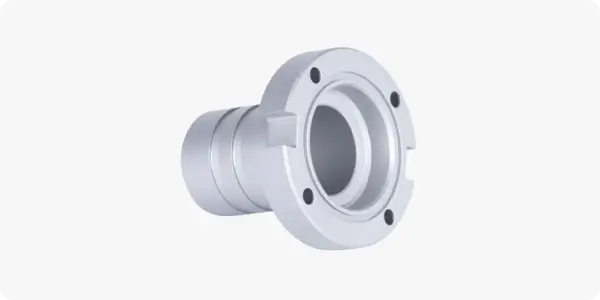
Bead Blasting
Parts are bead blasted with glass beads, resulting in a smooth, matte surface finish with reduced machining marks.
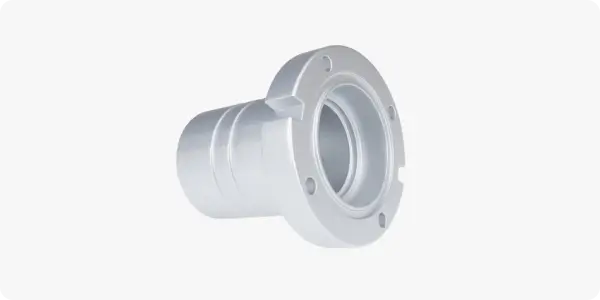
Brushing
Brushing creates a brushed finish with fine parallel lines for a clean, decorative surface finish on metal parts.
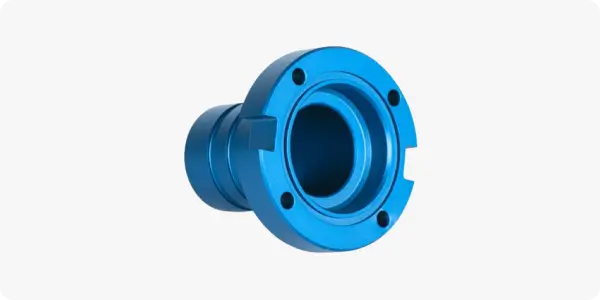
Anodizing
Anodizing creates a corrosion-resistant matte or glossy surface finish on aluminum parts. The most common anodizing colors include black, red, and gold.
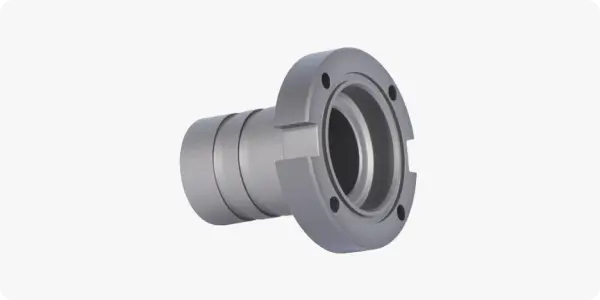
Hardcoat Anodizing
A type of anodizing that produces a thicker and harder surface coating, resulting in increased wear resistance and durability.
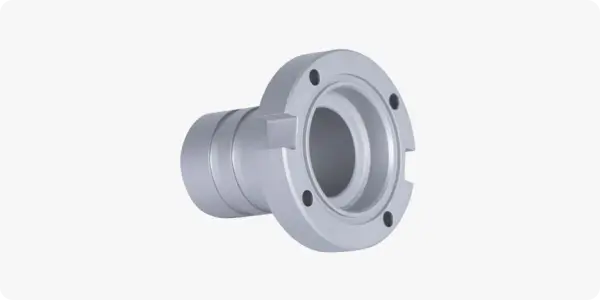
Conductive Anodizing
An anodizing process that creates a conductive surface coating, typically used for EMI/RFI shielding or electrical grounding applications.
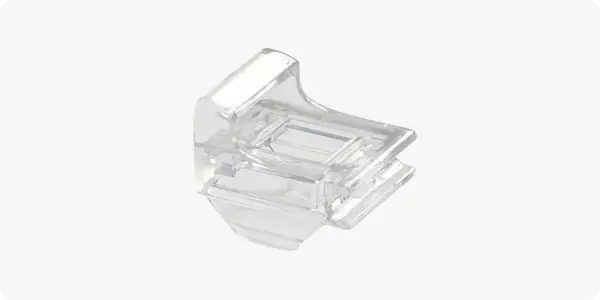
Vapor Polishing
Vapor polishing, also referred to as transparent polishing, can produce a near-optically clear surface finish and is commonly used in applications requiring high transparency.
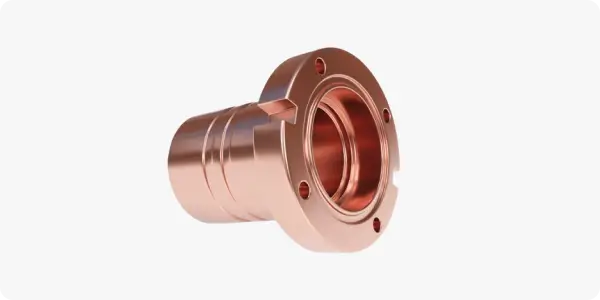
Mirror Polishing
A surface finishing process that uses a series of increasingly fine abrasive tools and compounds to produce a highly reflective, mirror-like surface finish.
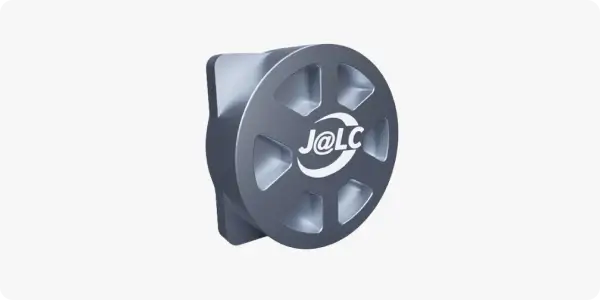
UV Printing
UV printing is a digital inkjet printing technology that uses ultraviolet (UV) light to instantly cure special inks containing photoinitiators, allowing them to adhere to the substrate.
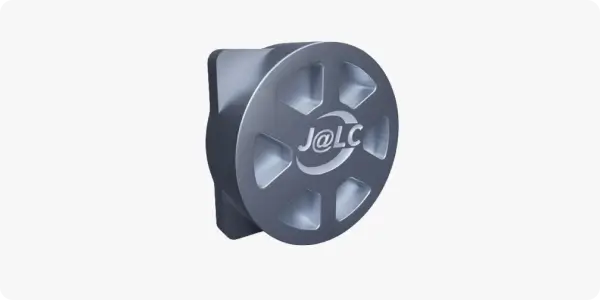
Laser Marking
Laser marking uses a laser beam to create permanent marks or designs on the material surface, typically resulting in high precision and resolution for part marking and identification.
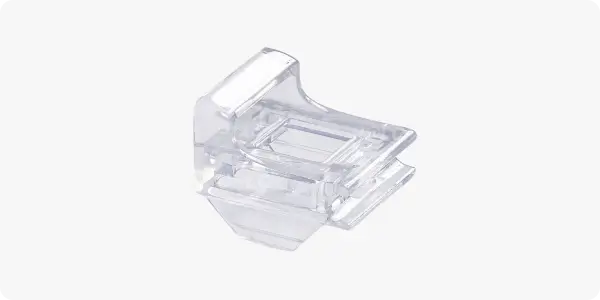
Blue Transparent Polishing
Blue-Tinted Transparent Polishing uses chemical solutions to vaporize and remove uneven areas for a smooth, transparent surface finish with a slight blue tint.
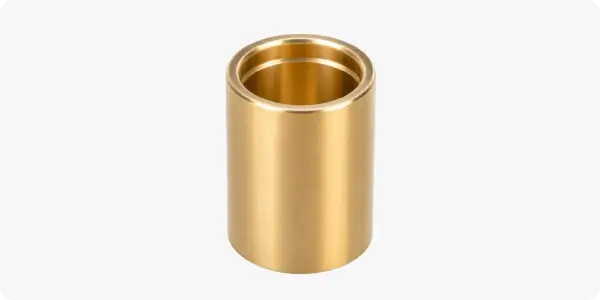
Passivation
Passivation is a chemical treatment for brass and copper parts that helps reduce surface oxidation and maintain a cleaner appearance over time.

Spray Painting
Spray painting applies a uniform colored coating to the part surface, improving appearance and providing basic surface protection for custom parts.

Blackening
Blackening is a chemical surface treatment for steel parts that creates a dark finish, improves appearance, and provides mild corrosion resistance.
CNC Machining Design Guidelines
Feature | Recommended Guideline | Notes |
|---|
Internal corner radius | Use the largest internal radius the part allows | A larger radius improves tool access and stability. For deeper cavities, the radius usually needs to increase with depth. |
Threaded holes | Keep thread depth within 3× hole diameter | Deeper threads often add cost without adding useful function. For blind holes, leave unthreaded clearance at the bottom. |
Cavity depth | Aim for cavity depth within 2–3× tool diameter | Deep cavities increase machining time and tool deflection risk. Depths above 5× tool diameter may require special tooling or 5-axis machining. |
Thin walls | Recommended minimum: 0.8 mm for metal, 1.5 mm for plastic | Thin walls are more likely to vibrate or deform during machining. |
Tolerances | Apply tight tolerances only to critical features | Standard machining tolerances are more cost-effective. Critical tolerances should be clearly identified on the drawing. |
2D drawings | Provide a 2D drawing for critical dimensions and inspection points | This is especially important when the part includes surface finish requirements, thread details, or assembly interfaces. |
Typical CNC Machining Applications
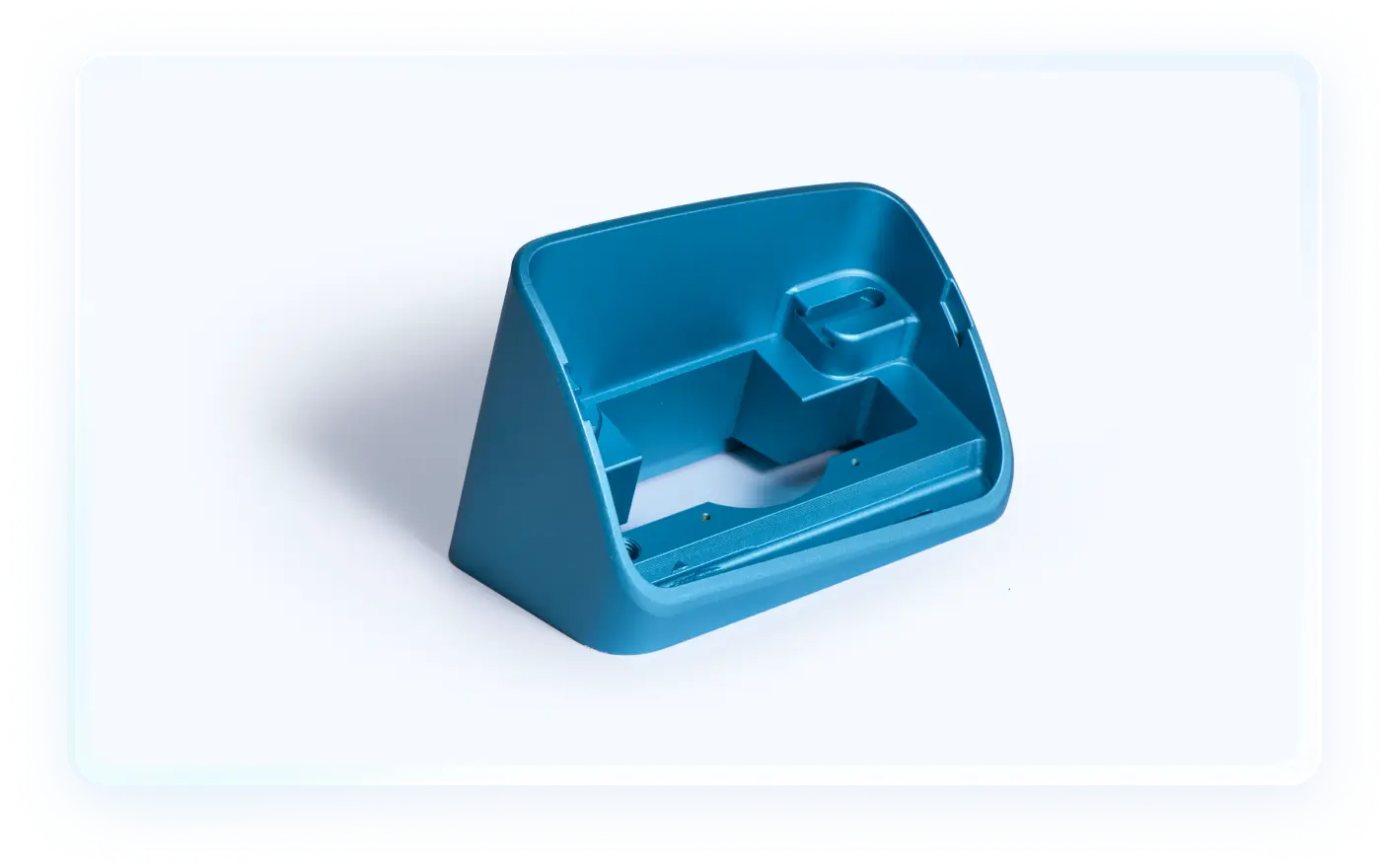
Rapid Prototyping
CNC machining works well for prototypes that need to be tested as real parts, not just checked for shape. It is often used when teams need to confirm fit, threaded features, mating surfaces, or overall function before release.