
Why Surface Finishing Matters?
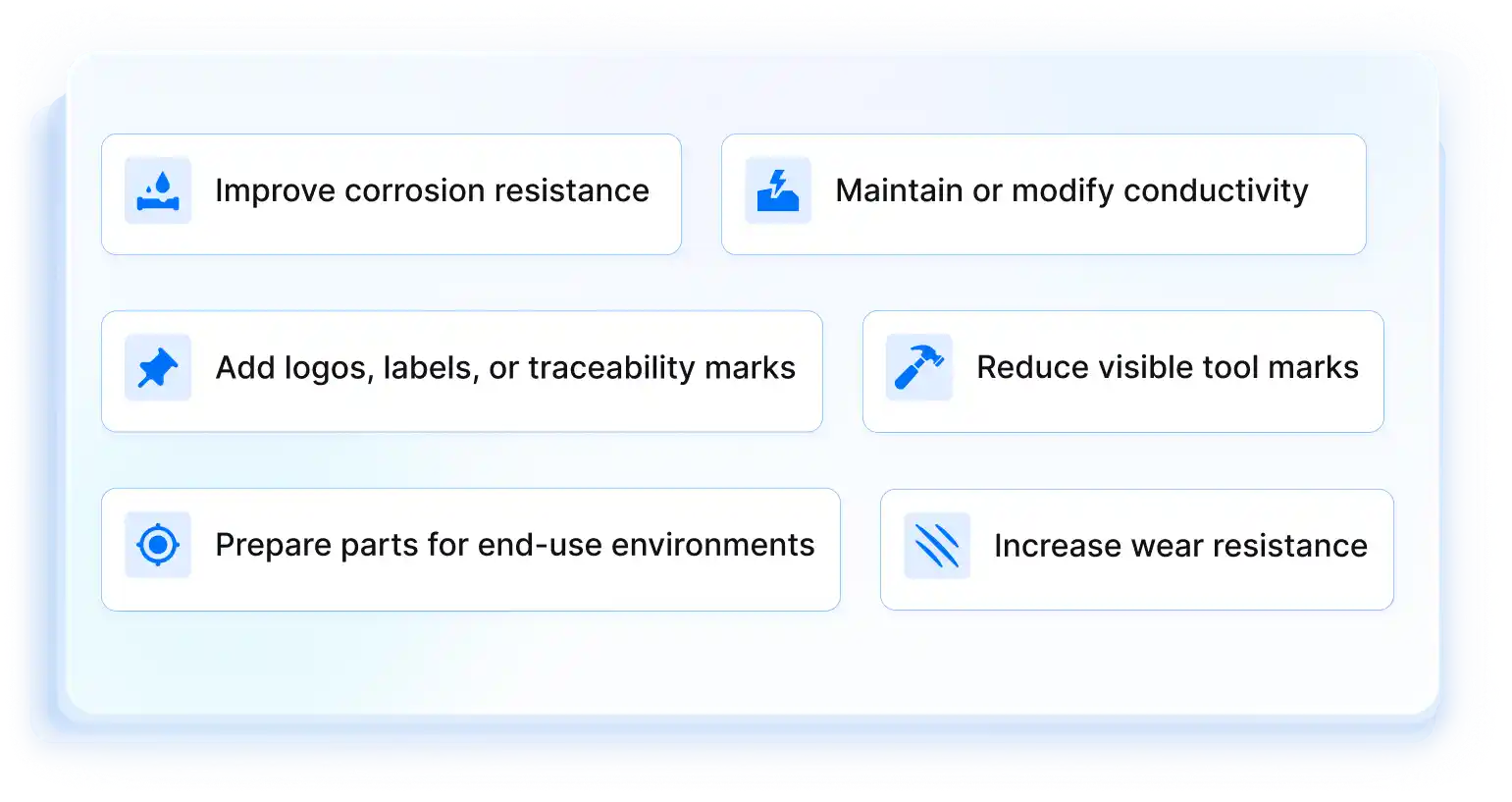
Surface finishing is not only about appearance. For CNC machined and sheet metal parts, post-processing can change corrosion resistance, wear performance, electrical conductivity, surface texture, marking readability, and perceived quality. The right finish depends on material, manufacturing process, functional requirements, and downstream assembly conditions.
All Finishes
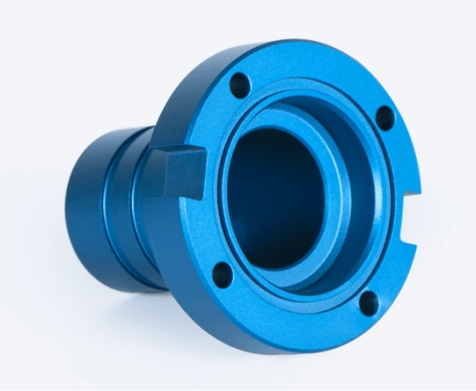
Anodizing
Forms an oxide layer on aluminum to improve corrosion resistance and surface appearance, with a typical thickness of 8–25 μm.
- · Purpose: Corrosion and appearance
- · Appearance: Technical/colored
- · Impact: May affect tolerance and conductivity
- · Applicable materials: Aluminum
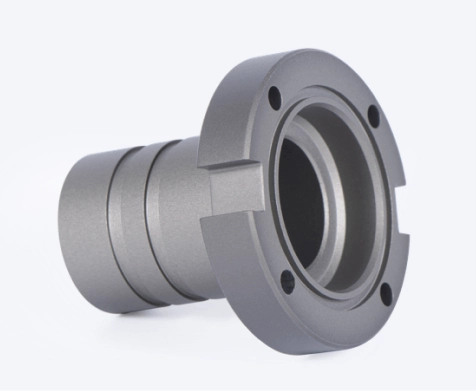
Hardcoat Anodizing
Builds a thicker and harder oxide layer for aluminum parts that require better wear resistance, typically 25–150 μm.
- · Purpose: Wear resistance
- · Appearance: Darker technical finish
- · Impact: Higher dimensional effect than standard anodizing
- · Applicable materials: Aluminum
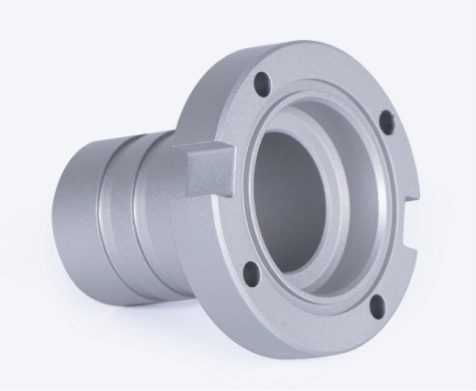
Conductive Anodizing
Supports anodic treatment for aluminum parts where controlled electrical conductivity is required, with a typical thickness of 3–8 μm.
- · Purpose: Conductive functional finish
- · Appearance: Technical
- · Impact: Contact areas should be specified
- · Applicable materials: Aluminum
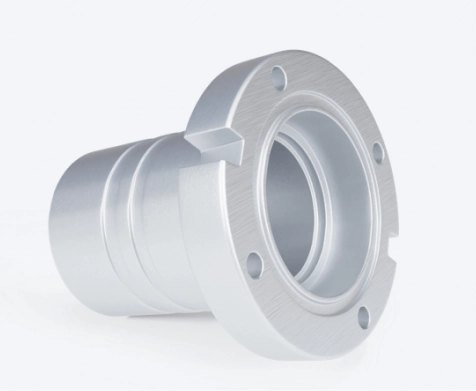
Brushing
Produces a directional satin grain for visible metal surfaces.
- · Purpose: Appearance
- · Appearance: Linear / satin
- · Impact: Grain direction should be specified
- · Applicable materials: Aluminum, Stainless Steel
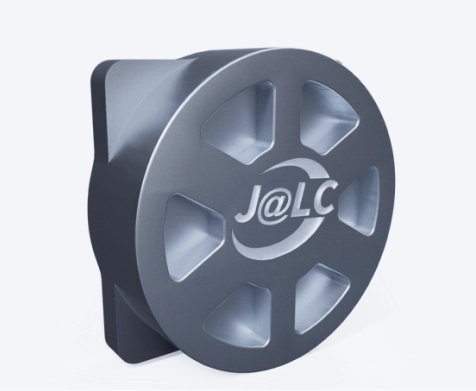
Laser Marking
Creates permanent text, codes, or logos for identification and traceability.
- · Purpose: Permanent marking
- · Appearance: Fine contrast mark
- · Impact: Readability depends on surface and material
- · Applicable materials: Aluminum, Stainless Steel, Steel Alloy
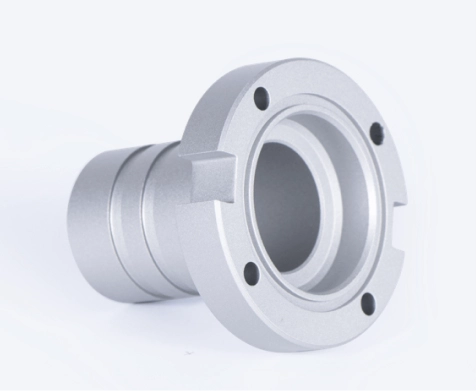
Bead Blasting
Creates a uniform matte texture to reduce visible machining marks.
- · Purpose: Appearance texture
- · Appearance: Matte
- · Impact: Minimal dimensional change
- · Applicable materials: Aluminum, Stainless Steel, Steel Alloy, Copper Alloy
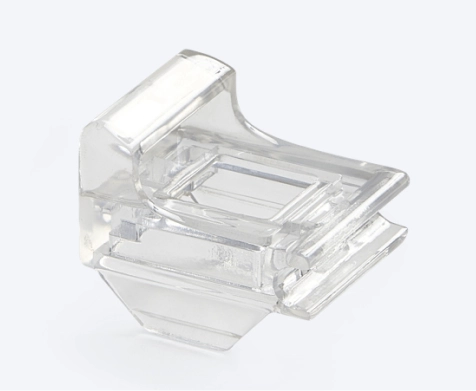
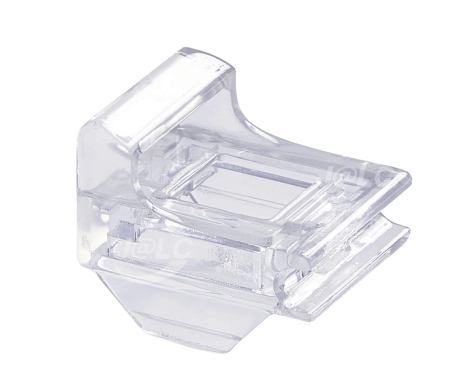
Transparent Polishing
Improves smoothness and clarity while maintaining a clean, crystal-clear surface finish.
- · Purpose: Appearance refinement
- · Appearance: Smooth/bright
- · Impact: Surface defects may remain visible
- · Applicable materials: Plastics
Blue-Tinted Transparent Polishing
Enhances surface smoothness and optical clarity with a subtle blue-tinted transparent finish on plastic parts.
- · Purpose: Decorative appearance finish
- · Appearance: Bright / blue-tinted
- · Impact: Primarily aesthetic
- · Applicable materials: Plastics
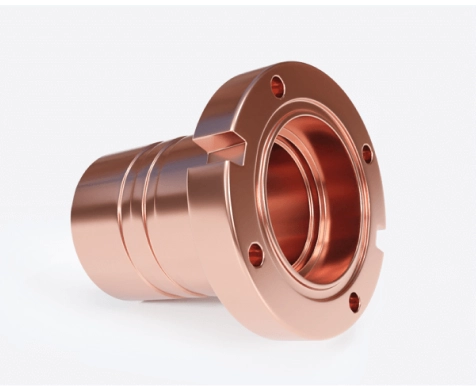
Mirror Polishing
Produces a highly reflective surface for premium visible parts.
- · Purpose: High-gloss aesthetic finish
- · Appearance: Mirror
- · Impact: Enhances visual consistency, making surface quality more prominent.
- · Applicable materials: Plastics
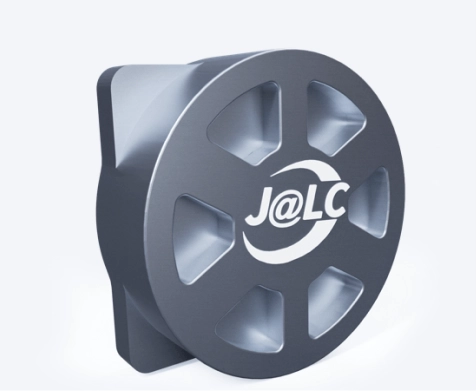
UV Printing
Adds colored graphics, logos, and labels directly to the part surface.
- · Purpose: Graphic marking
- · Appearance: Printed color
- · Impact: Best suited for non-functional visible areas
- · Applicable materials: Aluminum, Plastics
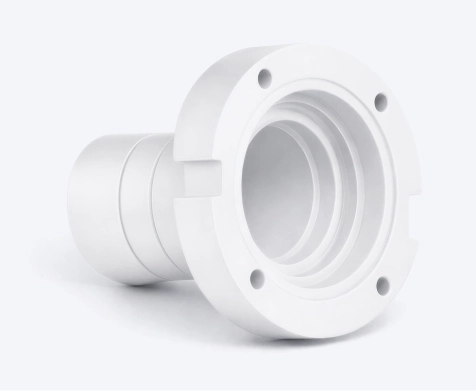
Spray Painting
Applies a colored painted layer to improve appearance and provide basic surface protection.
- · Purpose: Appearance coating
- · Appearance: Uniform/colored
- · Impact: Adds coating thickness
- · Applicable materials: Plastics
Passivation
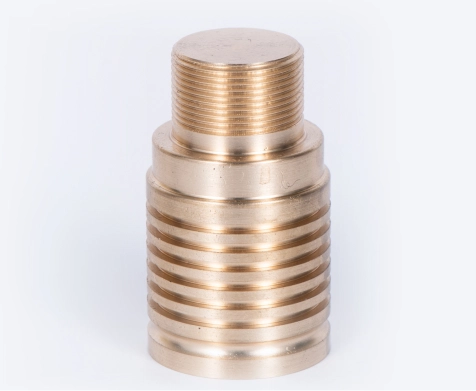
Forms a thin protective conversion layer to improve corrosion resistance without significantly changing part dimensions; for copper, the typical thickness is 0.5–2 μm.
- · Purpose: Corrosion resistance
- · Appearance: Natural/minimal visual change
- · Impact: Minimal dimensional effect
- · Applicable materials: Copper Alloy
Blackening
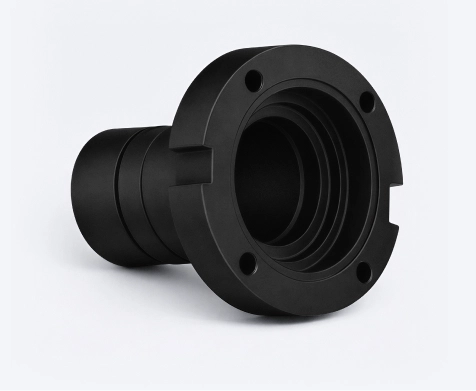
Creates a thin black oxide layer on steel parts for light corrosion protection and a dark technical appearance; for 45 steel, the typical thickness is 0.5–2 μm.
- · Purpose: Appearance + basic protection
- · Appearance: Black / matte
- · Impact: Minimal dimensional effect
- · Applicable materials: Steel Alloy
Powder Coating
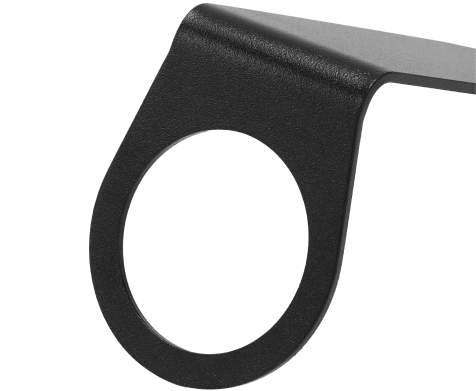
Applies a durable colored coating for protection and visual consistency on sheet metal parts, typically 60–120 μm thick.
- · Purpose: Protection and appearance
- · Appearance: Uniform coated color
- · Impact: Adds coating thickness
- · Applicable materials: Aluminum, Stainless Steel, Steel Alloy
Silkscreen
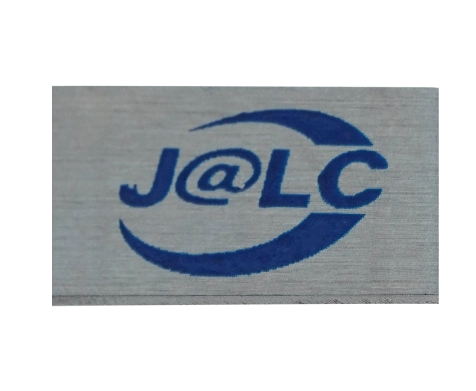
Prints legends, interface labels, and symbols onto panel surfaces.
- · Purpose: Printed labeling
- · Appearance: Graphic text/symbols
- · Impact: Best for defined artwork areas
- · Applicable materials: Aluminum, Stainless Steel, Steel Alloy
Surface Finish Comparison Chart
Finish | Process | Corrosion Resistance | Wear Resistance | Conductivity Impact | Dimensional Impact | Appearance or Functional |
|---|
Anodizing | CNC / Sheet Metal | Medium to high | Medium | Reduced | Yes | Appearance/ Identification |
Hardcoat Anodizing | CNC / Sheet Metal | High | High | Reduced | More significant | Functional |
Conductive Anodizing | CNC / Sheet Metal | Medium | Medium | Preserved or controlled | Yes | Functional |
Brushing | CNC / Sheet Metal | Low by itself | Low | Minimal | Minimal | Appearance |
Laser Marking | CNC / Sheet Metal | Low | Low | Minimal | Minimal | Identification |
Bead Blasting | CNC | Low by itself | Low | Minimal | Minimal | Appearance |
Transparent Polishing | CNC | Low by itself | Low to moderate | Minimal | Minimal | Appearance |
Blue-Tinted Transparent Polishing | CNC | Moderate | Low to moderate | Reduced | Small | Appearance |
Mirror Polishing | CNC | Low by itself | Low | Minimal | Minimal | Appearance |
UV Printing | CNC | Low | Low | Minimal | Minimal | Appearance/ Identification |
Spray Painting | CNC | Medium | Medium | Insulating | Moderate | Appearance/ Identification |
Passivation | CNC | Good | Low | Minimal | Negligible | Functional |
Blackening | CNC | Moderate | Low | Minimal | Negligible | Appearance/ Identification |
Powder Coating | Sheet Metal | High | Medium to high | Insulating | Yes | Appearance/ Identification |
Silkscreen | Sheet Metal | Low | Low | Minimal | Minimal | Identification |
How to Select the Right Finish
Define the primary requirement
Surface finish selection should be based on the part's primary requirements, such as corrosion resistance, wear resistance, electrical conductivity, appearance, permanent marking, or branding.
Check process compatibility
Consider dimensional sensitivity
Review visual expectations
Define special zones
Design Guidelines for Engineers

Tolerance-critical features
If the part includes precision fits, bearing seats, threads, electrical contacts, or sealing interfaces, finish thickness and surface conversion effects must be considered during design.

Edge and corner behavior
Sharp corners, deep pockets, narrow slots, and bent edges may show non-uniform finishing results. If appearance consistency is important, geometry should be reviewed with finishing behavior in mind.

Marking placement
Laser marking, UV printing, and silkscreen should be placed on readable, accessible, and functionally safe areas. Avoid sealing surfaces, sliding surfaces, and critical electrical interfaces unless explicitly intended.

Appearance expectation level
For parts, define the visible side, grain direction, gloss target, and acceptable variation level. This is especially important for brushing, polishing, anodizing, and coated surfaces.

Material dependency
Finish performance can vary by alloy and substrate condition. The same finish name does not always produce an identical appearance or performance across different materials.

Finish Accessibility
Deep cavities and complex geometries may result in uneven finish coverage. Ensure adequate access for consistent finishing.
FAQs About the Surface Finishes
What is the difference between anodizing and hardcoat anodizing?
Anodizing is mainly used to improve corrosion resistance and appearance on aluminum CNC and sheet metal parts. Hardcoat anodizing creates a thicker, harder oxide layer, making it a better choice for parts that need higher wear resistance and durability.
Does anodizing affect dimensions?
Which surface finish keeps aluminum conductive?
What is the best surface finish for aluminum parts?
What is the difference between laser marking and silkscreen?
