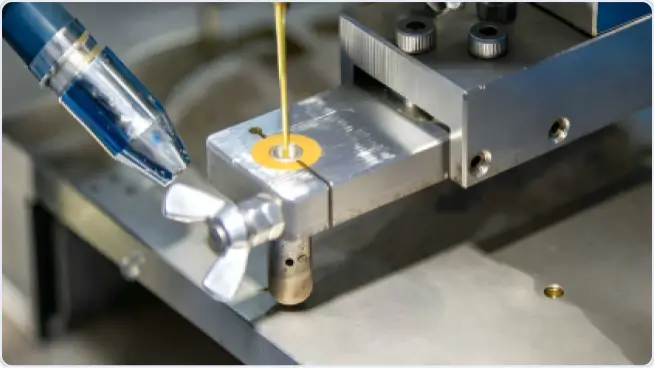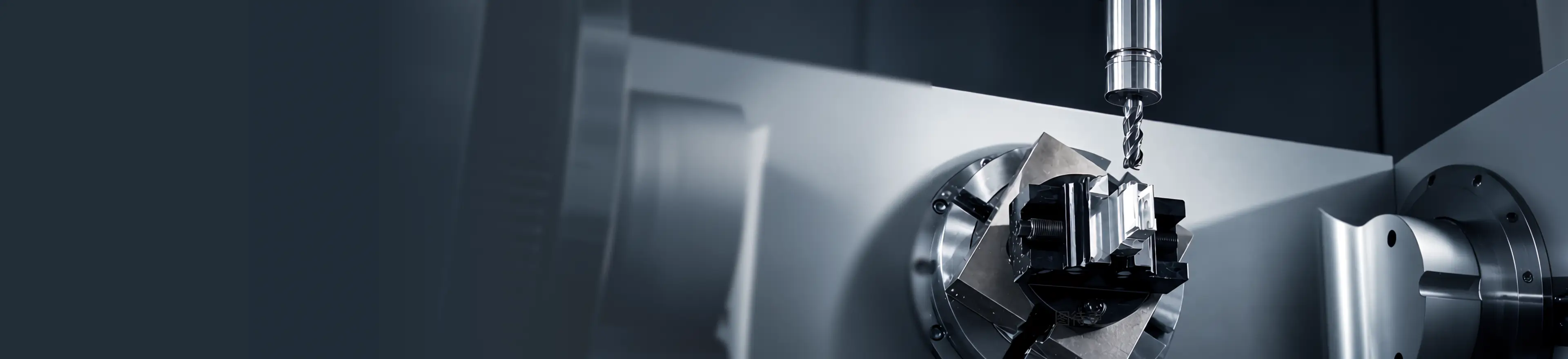
Supported EDM Machining Processes
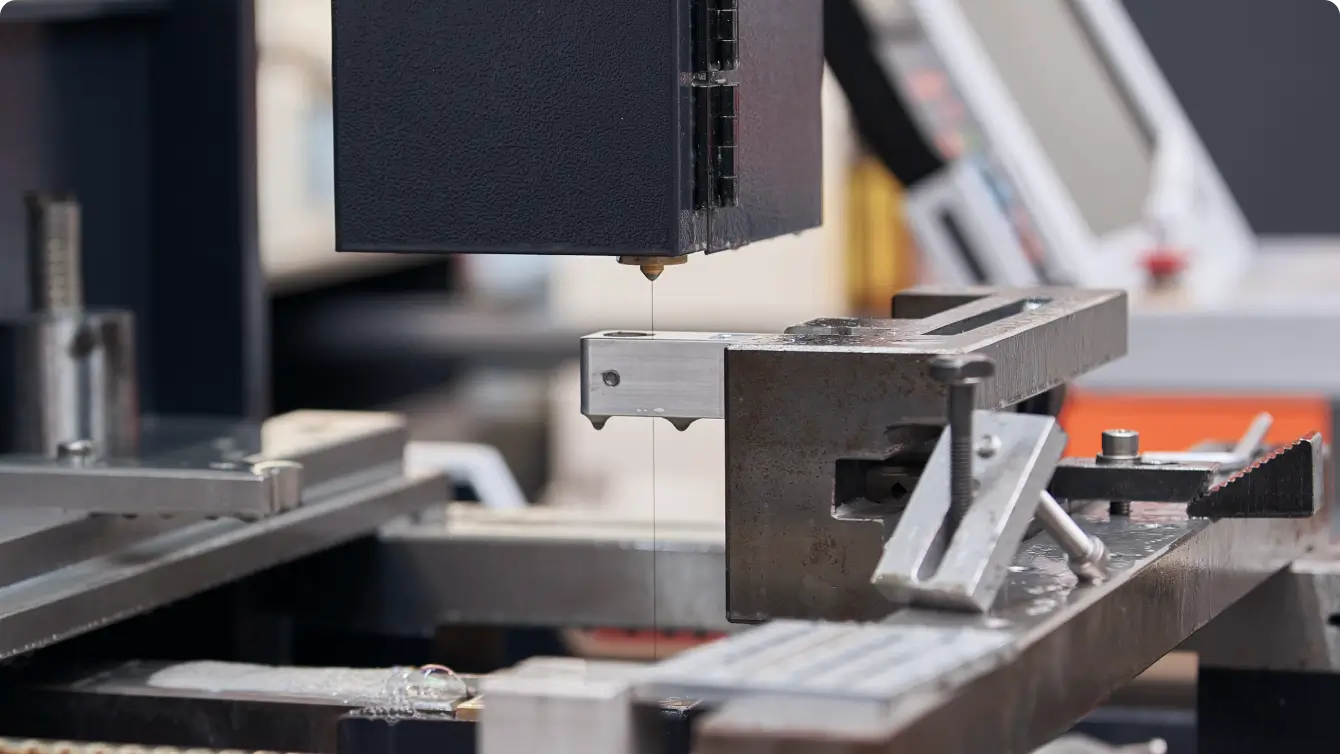
Wire EDM Capabilities
- Wire EDM uses a thin wire electrode to cut precise profiles and through-features in conductive materials.
- Suitable for conductive materials
- Typical tolerance: ISO-2768-M; ±0.05mm; ±0.02mm
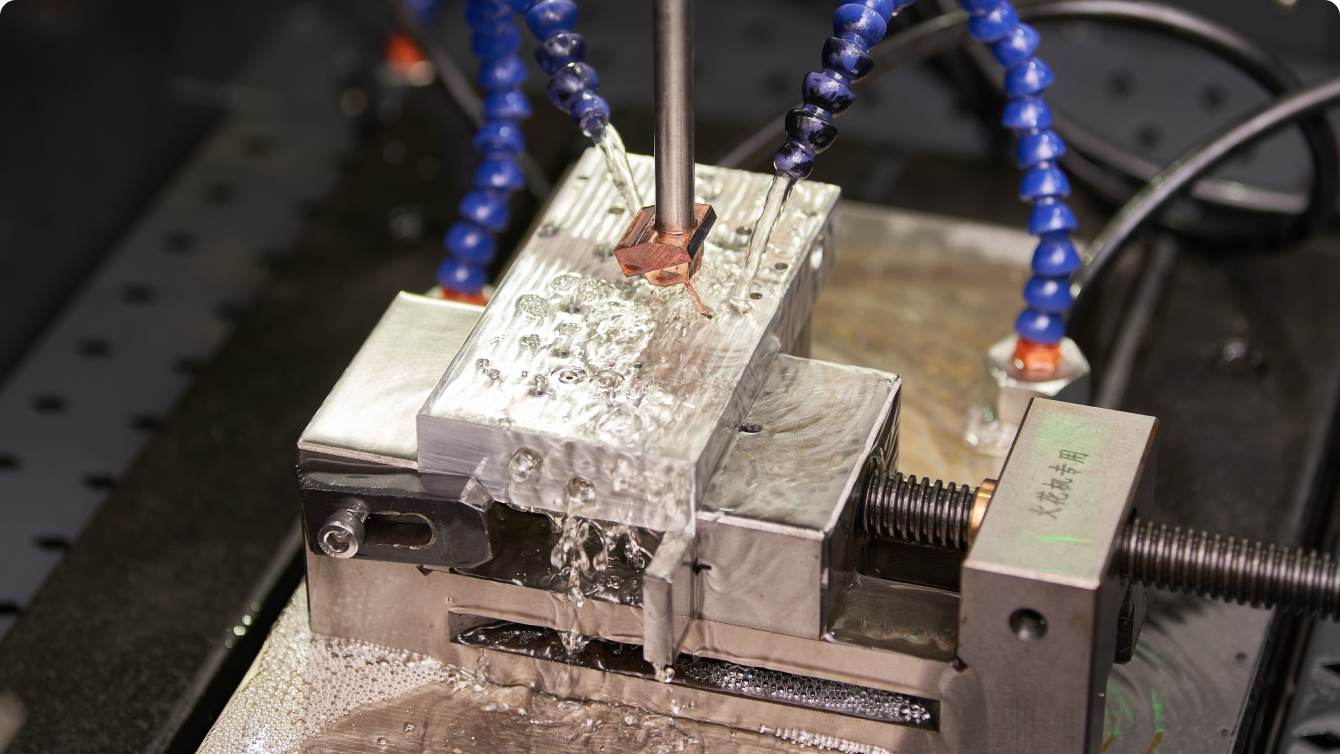
Sinker EDM Capabilities
- Sinker EDM uses a shaped electrode to produce cavities and detailed internal features in conductive materials.
- Suitable for conductive materials
- Typical tolerance: ISO-2768-M; ±0.05mm; ±0.02mm
Part features and manufacturing challenges suited to EDM
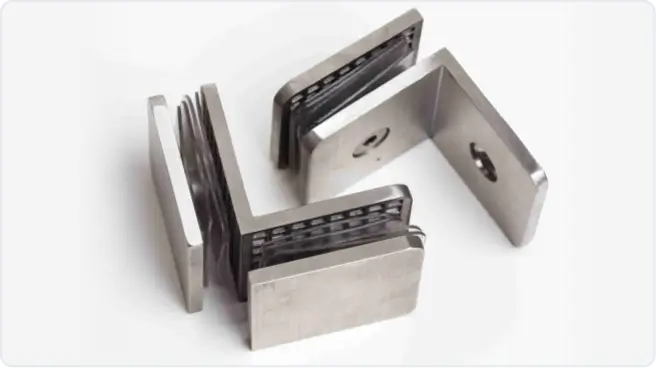
Sharp Internal Corners
EDM is often used when internal corners need to be much sharper than conventional milling can produce. Because the process is not limited by a rotating cutter radius in the same way, it is better suited to fine corner detail and narrow internal profiles.
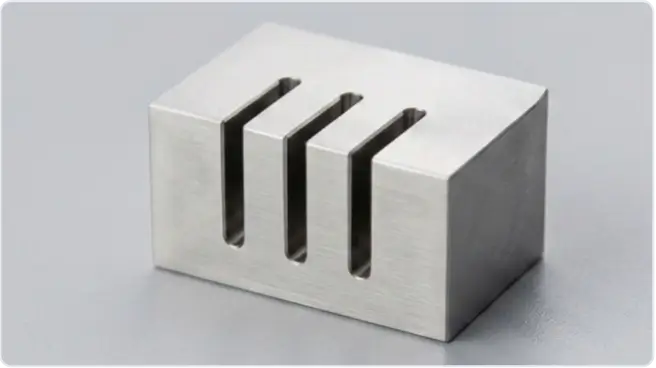
High Aspect Ratio Slots
Deep, narrow slots are a common reason to consider EDM, especially when conventional tools struggle with reach, deflection, or slot width control. Wire EDM is particularly useful for precise cut-through slots and fine profile features in conductive materials.
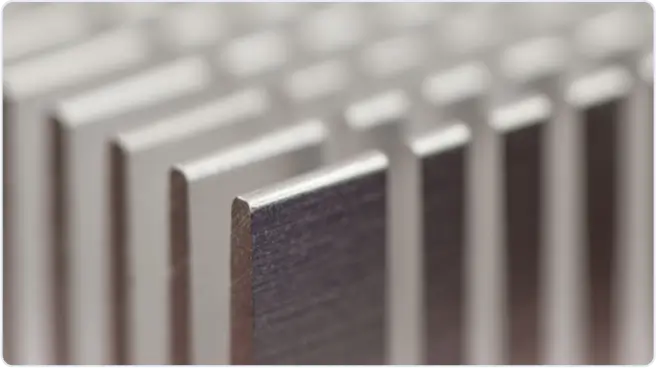
Delicate or Thin-Walled Sections
Because EDM removes material without direct cutting contact, it is often better suited to thin sections, fragile features, and parts that may distort under conventional cutting forces. This can be important when geometry stability matters as much as dimensional accuracy.
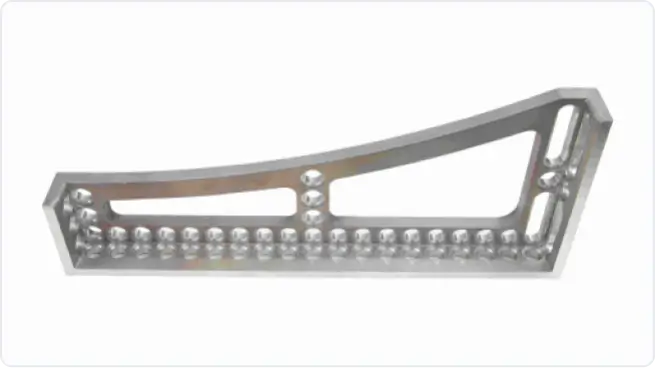
Hardened Conductive Materials
EDM is widely used for hardened steels and other conductive materials that are difficult to machine efficiently after heat treatment. It is often selected when feature accuracy must be maintained without introducing the tool wear or cutting difficulty associated with conventional machining.
Wire EDM vs Sinker EDM
Parameter | Wire EDM | Sinker EDM |
|---|
Best suited for | Through-cut profiles and open geometry | Blind cavities and enclosed internal features |
Electrode type | Thin moving wire | Shaped electrode |
Geometry access | Requires a cut-through path | Can create internal cavity forms |
Typical applications | Punches, dies, plates, and precision cut profiles | Mold cavities, inserts, and tooling details |
Main limitation | Cannot form blind cavities | Requires a custom electrode |
Maximum part size | 400*300*300 | 400*300*300 |
Minimum part size | 5*5*1 | 5*5*1 |
Typical tolerance | 0.05 | 0.05 |
Tighter tolerance | 0.02 | 0.02 |
Supported EDM Machining Materials
EDM requires electrically conductive materials.
Material | EDM Compatibility | Key Characteristics | Process Notes |
|---|
Aluminum 6061 | Wire EDM, selected sinker EDM applications | Lightweight and widely used for general precision parts | Geometry and feature depth should be reviewed for process suitability |
Aluminum 7075 | Wire EDM, selected sinker EDM applications | Higher strength than 6061 and suitable for demanding parts | Often selected where part strength matters more than general machinability |
SUS304 | Wire EDM, sinker EDM | Corrosion-resistant and suitable for detailed conductive parts | Common choice for precision components exposed to demanding environments |
45# Steel | Wire EDM, sinker EDM | Practical material for shafts, gears, and mechanical parts | Widely used for EDM applications involving structural and tooling features |
Brass H59 | Wire EDM, sinker EDM | Conductive and suitable for selected precision components | Excellent cutting performance and suitable for precision machining |
Surface Condition and Finishing Considerations for EDM Parts
Finish | Applicable Materials | Purpose |
|---|
Anodizing | Aluminum | Improve corrosion resistance, increase wear resistance, and enhance surface appearance |
Brushing | Aluminum, Stainless Steel, 45# Steel | Create a more uniform surface texture and reduce the visibility of minor surface marks |
Laser Marking | Aluminum, Stainless Steel, 45# Steel | Add permanent identification, traceability, or branding marks |
Bead Blasting | Aluminum, Stainless Steel, 45# Steel, Brass H59 | Remove surface residue, create a more even matte finish, and improve visual consistency |
Conductive Anodizing | Aluminum | Provide corrosion protection while maintaining electrical conductivity on selected surfaces |
Hardcoat Anodizing | Aluminum | Improve wear resistance, surface hardness, and durability in demanding applications |
Blackening | 45# Steel | Improve corrosion resistance and create a dark protective finish |
Mirror Polishing | Brass H59 | Create a smooth reflective surface and improve visual appearance |
Passivation | Brass H59 | Improve corrosion resistance by reducing surface reactivity while preserving part dimensions and appearance |
Typical Applications of EDM Machining
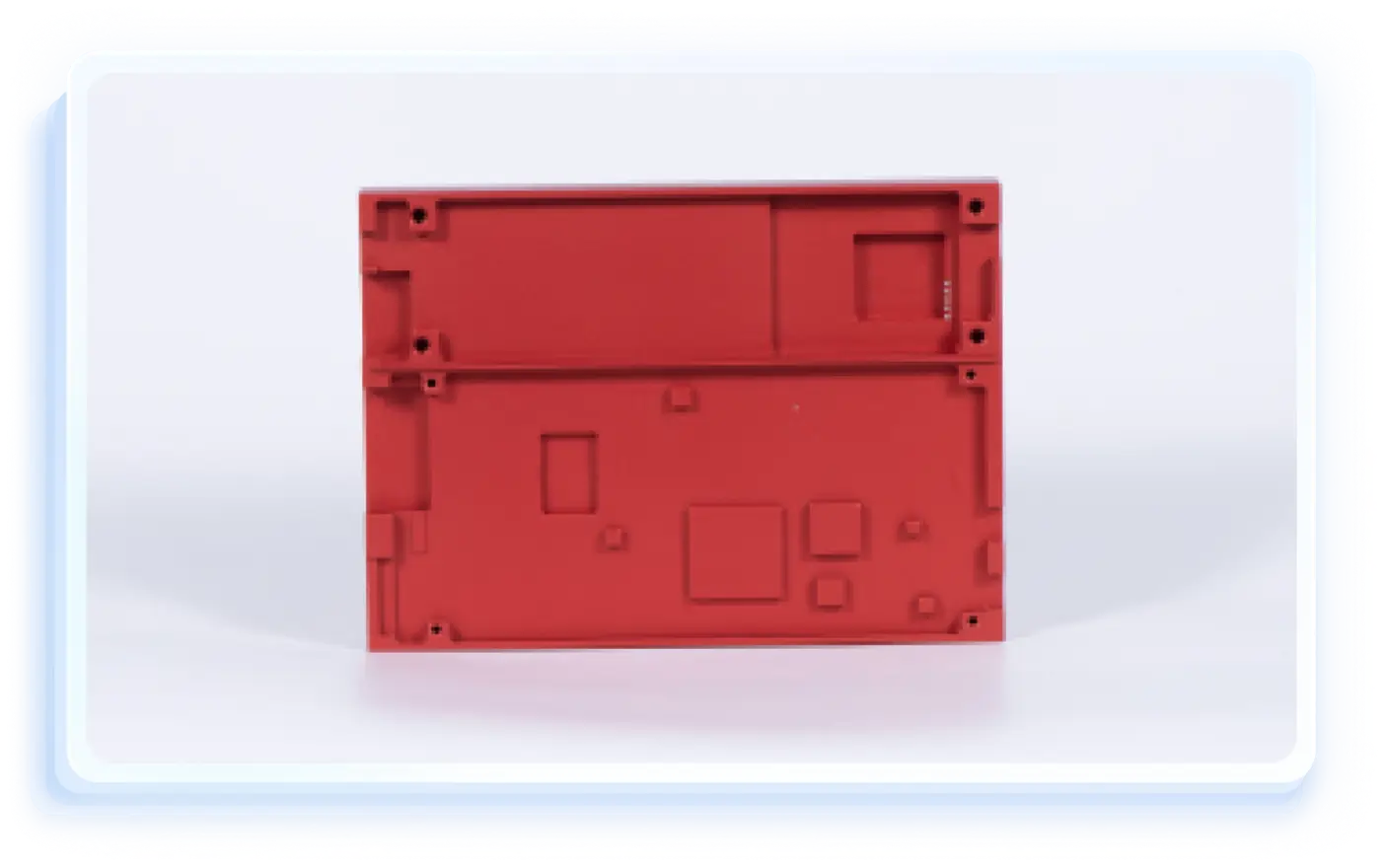
 Precision Cut and Profile Parts
EDM is also used for precision-cut parts and profile plates that require controlled edges, accurate contours, and stable dimensional results.
 Mold Components
 Industrial Precision Components
FAQs About EDM Machining Capabilities
What is EDM?
How does EDM work?
What is the difference between wire EDM and sinker EDM?
What materials can be machined with EDM?
What kinds of features are best suited to EDM?
When is EDM preferred over conventional machining?
Electrical Discharge Machining (EDM) Guides
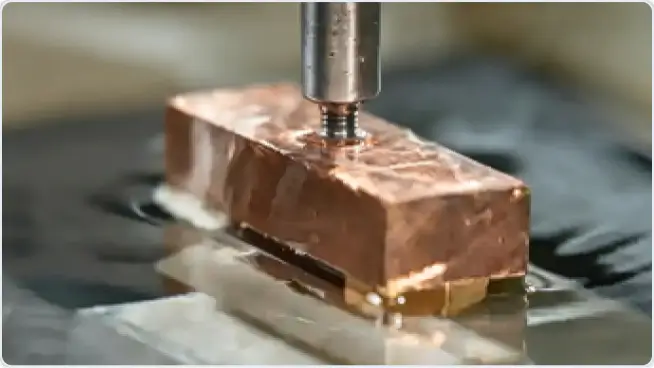
Sinker EDM: Process, Capabilities, and When to Use
Apr 20, 2026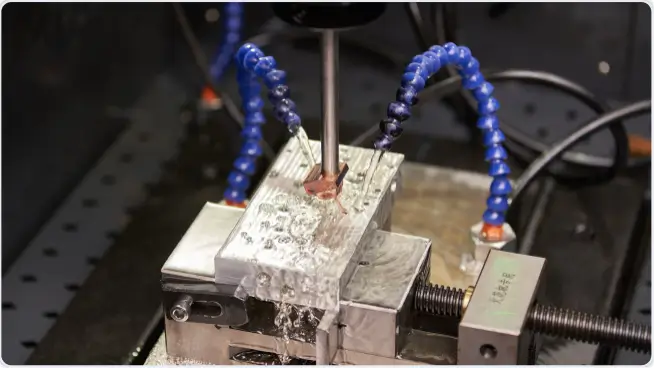
EDM Hole Drilling vs Conventional Drilling: Precision and Use Cases Compared
Jul 24, 2025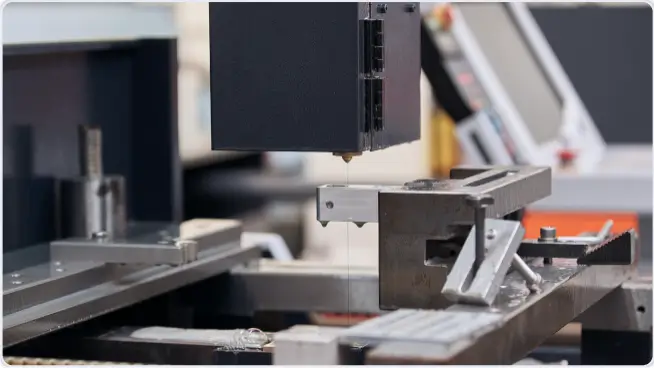
How EDM Wire Cutting Works: Complete Guide to Precision CNC Wire Cutting
Jul 20, 2025