Brass vs Bronze for CNC Machining: How to Choose the Right Material
15 min
- Machinability of Brass vs Bronze in CNC Machining
- Brass vs Bronze Price: CNC Cost Comparison
- Applications of Brass and Bronze in CNC Machining
- Brass vs Bronze for CNC Machining: A Practical Selection Guide
- High-Precision Brass CNC Machining Service at JLCCNC
- FAQ
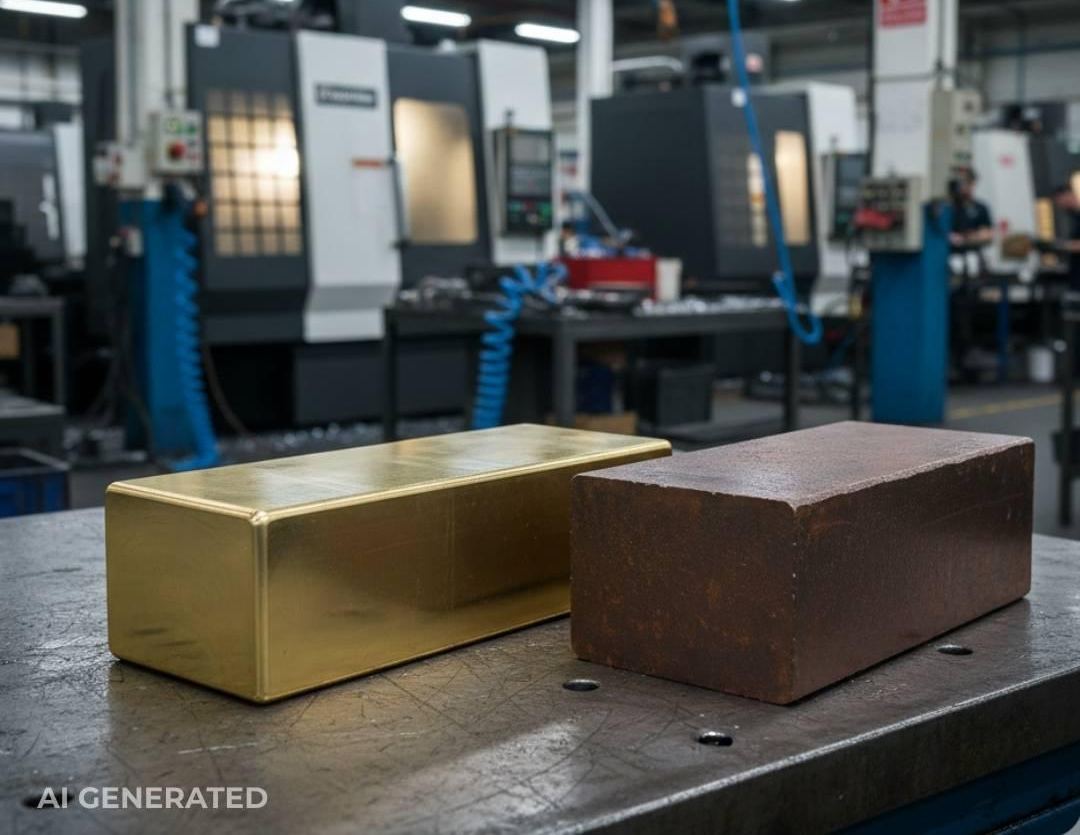
Brass and bronze metal billets placed side by side in a CNC machining factory, highlighting their different color and surface appearance.
Choosing between brass vs bronze in CNC machining isn’t about memorizing alloy charts or academic definitions. It’s about what actually happens once the cutter hits the material. Tool wear. Cycle time. Surface finish. Scrap risk. Cost per part.
On paper, brass and bronze look similar enough to confuse buyers and even junior engineers. In practice, they behave very differently on a CNC machine. One cuts fast and clean. The other demands more respect, but delivers performance where it counts.
This guide breaks down the difference between brass and bronze specifically from a CNC machining perspective. We’ll focus on machinability, cutting behavior, production efficiency, and real-world applications of brass and bronze, so you can choose the right material without overengineering the decision or blowing the budget.
If you’re already thinking about material choice at this level, the bigger question usually isn’t brass vs bronze, it’s who’s actually machining it. At JLCCNC, brass CNC machining is one of our core strengths, from tight-tolerance functional parts to cosmetic components that need a clean, consistent surface finish straight off the machine. We work with engineers, startups, and production teams who care about cutting behavior, tool life, and cost per part, not marketing specs, and we machine accordingly.
Difference Between Brass and Bronze for CNC Machining
The choice between brass and bronze for a CNC run usually boils down to how much tool wear you’re willing to tolerate and how the alloy behaves under high-speed spindles. You can ignore the "look" or the history of these metals, what actually matters on the shop floor is the chip formation and how the material reacts to machining stress.
Composition Relevant to CNC Machining
The fundamental difference between brass and bronze starts with their base elements, and that directly affects how they machine.
● From a metallurgical standpoint, the zinc in brass is what makes it so easy to live with on a CNC machine. Especially with free-machining grades, the additives are specifically there to act as internal lubricants, ensuring you get predictable chip breakage and minimal tool friction. This is why you can push the feed rates so aggressively, the material essentially helps the tool do its job.
● Bronze is a completely different story. Once you swap the zinc for tin, or add in aluminum and silicon, you’re no longer machining for speed; you’re machining for durability. These alloying elements create a much harder, more abrasive microstructure. In the spindle, that translates to significantly higher cutting forces and a material removal rate that feels sluggish compared to brass. You aren't just cutting metal; you're fighting the wear-resistant properties that bronze was literally designed to have.
Mechanical & Thermal Properties Affecting CNC Performance
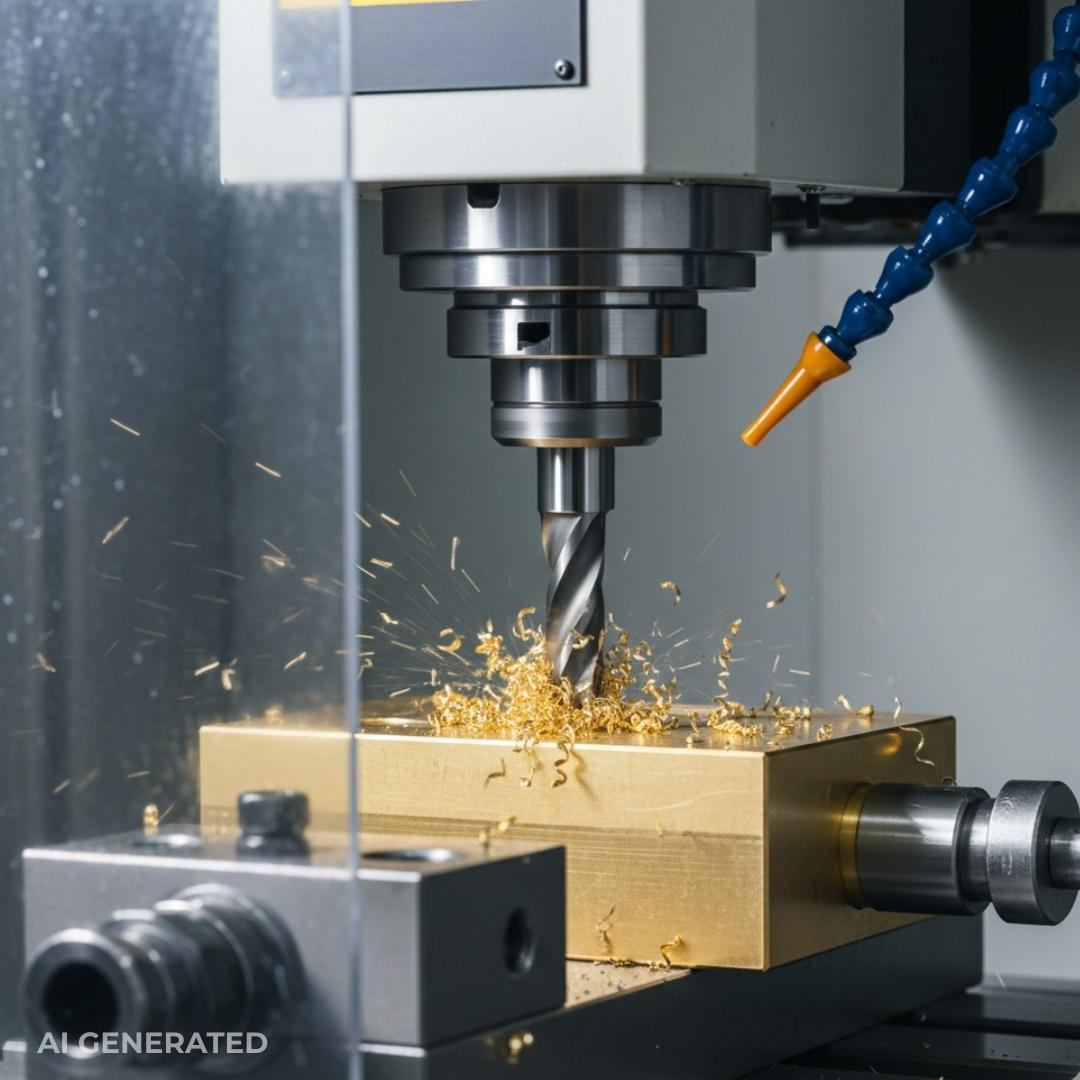
CNC machining brass at high speed with clean chip evacuation
The properties of brass and properties of bronze directly influence tool life, surface finish, and cycle time during machining.
● In a CNC environment, brass is the gold standard for high-speed throughput. It shears so cleanly that you’re dealing with short, manageable chips rather than the "stringy" bird-nests that plague other alloys. Because it sheds heat so effectively, you can crank the spindle speeds and push the feed rates without watching your tooling melt. In high-volume production, the speed of the cut usually outweighs the material cost, brass simply keeps the machine running longer between tool changes.
● Bronze is a much more difficult material to manage. Bronze's toughness is great for the part, but it's a nightmare for the tool's edge. The real killer is the relatively lower thermal conductivity and poorer heat evacuation during cutting; instead of heat exiting with the chips, it tends to remain at the tool interface. This forces a slower speed to avoid work-hardening or total tool failure.
Conversely, brass handles the heat better, staying stable enough to hold tight tolerances even on thin-walled or delicate geometries. Bronze can hold precision just as well, but usually requires more controlled cutting strategies to get there.
From a production standpoint, this is where bronze vs brass price becomes more than raw material cost. Bronze parts often cost more not just because of the alloy, but because they take longer to machine.
These differences become more obvious when you look at how CNC machines interact with various metals, especially when comparing softer copper alloys against harder steels and aluminums, as explained in our guide on how CNC machines work with different metals.
Why This Difference Matters in Real Applications
The application of brass in CNC machining often favors:
● Electrical components
● Precision fittings
● Decorative or cosmetic parts
● High-volume production where speed matters
Bronze, on the other hand, is chosen when performance outweighs machining ease:
● Bearings and bushings
● Wear plates
● Marine or corrosive environments
● Structural components under friction or load
Understanding the difference between brass and bronze at the machining level helps avoid common mistakes, like choosing bronze for a part that doesn’t need its durability, or choosing brass where wear resistance is critical.
The right choice isn’t about which alloy is “better.” It’s about which one makes sense on the CNC machine and in the final application.
You can debate brass vs bronze all day, but the fastest way to save money is letting machinists who cut this stuff every day look at your part.
At JLCCNC, brass CNC machining starts as low as $1 for basic parts, with instant online quoting, fast turnarounds, and real manufacturing feedback before chips ever fly. No email chains. No guesswork. No surprises halfway through production.
If your part needs:
● Clean threads
● Tight tolerances
● Reliable surface finish
● Or cost-efficient small-batch production
Get a quote now and see exactly what your brass part costs to machine, before you commit to the wrong material.
Machinability of Brass vs Bronze in CNC Machining
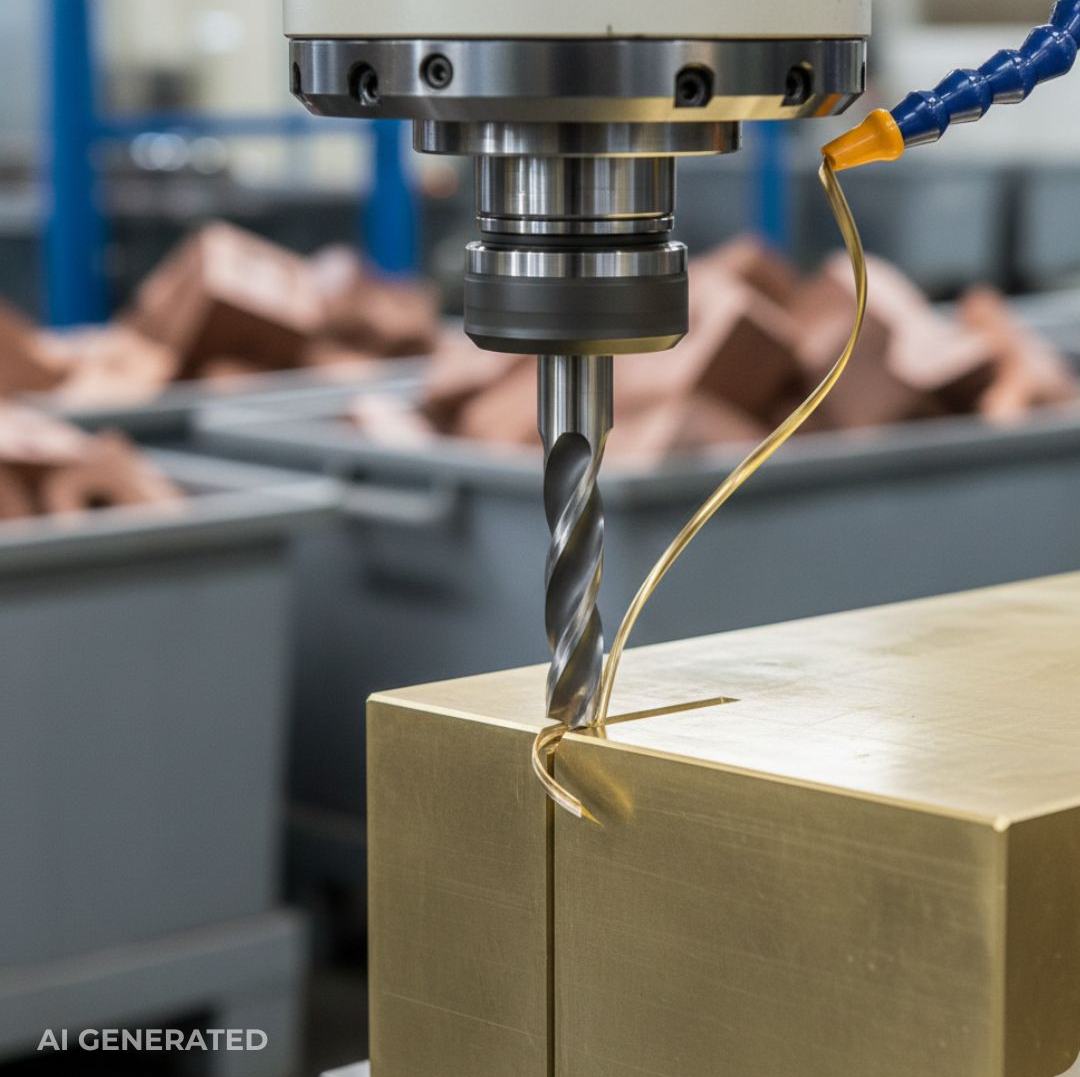
CNC milling machine cleanly cutting a brass part with smooth chip formation in a manufacturing environment.
Brass has a reputation in CNC shops for being “easy,” but that undersells what’s happening at the machine. Brass CNC machining is widely preferred because of its cutting behavior, heat management, and tolerance for aggressive cycle times.
Bronze can absolutely be machined well, but it doesn’t reward speed the way brass does.
Material selection rarely exists in isolation. If you’re comparing more than just brass and bronze, this small guide on how to choose the right material for your CNC project walks through the decision process engineers actually use in production.
Why Brass Outperforms Bronze in CNC Machining
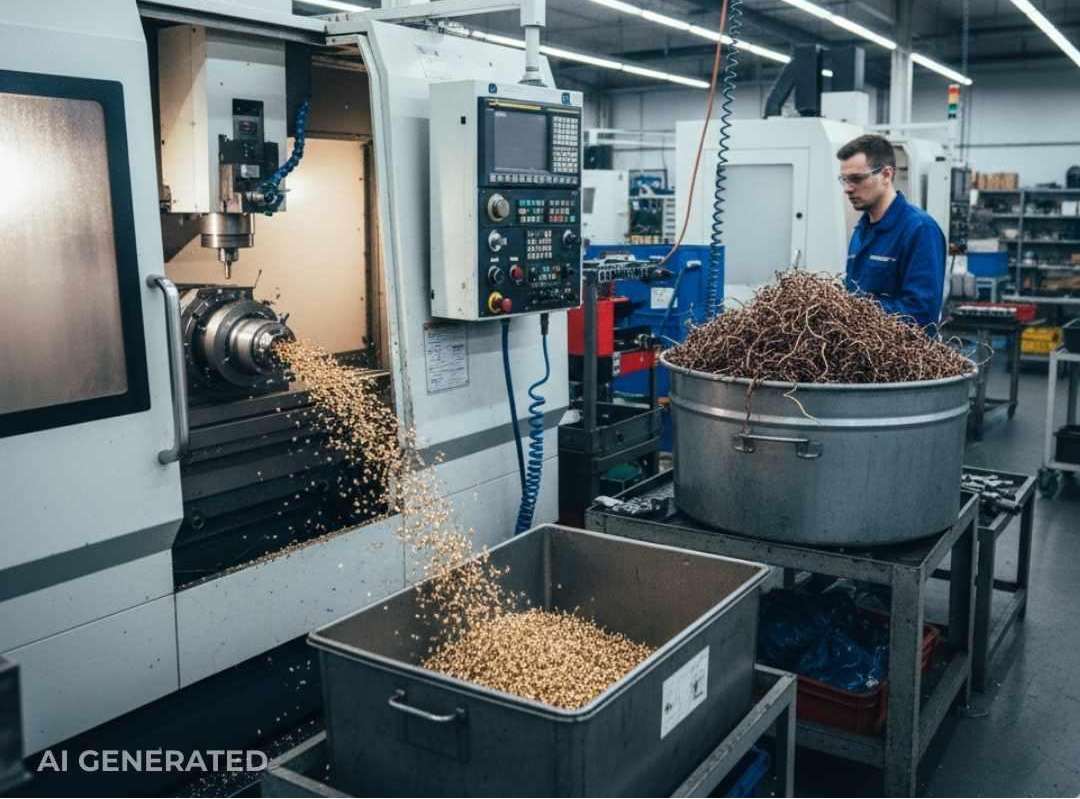
Brass CNC machining producing short, controlled chips compared to tougher bronze chips.
From a machinist’s point of view, brass simply cooperates.
● Chip control: Brass breaks into short, clean chips that evacuate easily. Bronze tends to form longer, tougher chips that need more careful toolpath planning.
● Cutting forces: Brass requires lower cutting force, which reduces spindle load and vibration. Bronze pushes back harder, especially in tougher grades.
● Speed tolerance: Brass tolerates higher spindle speeds and feed rates without sacrificing finish. Bronze usually demands conservative parameters to protect tools.
This is why brass is often chosen for high-volume production, tight-tolerance parts, and jobs where machine time directly impacts profitability.
Machinability of Brass vs Bronze for CNC Machining (Summary)
| Factor | Brass (CNC Machining) | Bronze (CNC Machining) |
| Machinability rating | Excellent | Moderate to good |
| Chip formation | Short, brittle, easy to clear | Tougher, longer chips |
| Cutting forces | Low | Medium to high |
| Typical feed rates | High | Moderate |
| Tool wear rate | Low | Higher |
| Risk of chatter | Low | Higher on thin parts |
| Setup sensitivity | Forgiving | Requires careful tuning |
How Machinability Affects Tool Life and Surface Finish
Machinability isn’t just about how fast you can cut, it affects everything downstream.
Because machinability of brass is so high:
● Tools last longer
● Surface finishes come off the machine cleaner
● Less secondary polishing is required
● Dimensional control is easier on small features
Bronze, while tougher and more wear-resistant in service, often shows:
● Faster edge wear
● More heat buildup at the tool tip
● Greater variation in surface finish if parameters drift
This doesn’t make bronze “bad” for CNC, it just means it’s better suited for performance-driven parts, not speed-driven production.
If you’re also weighing lighter, higher-speed machining options, our breakdown of aluminum vs brass for CNC machining shows how material weight, chip formation, and cutting speed change production economics.
Brass vs Bronze Price: CNC Cost Comparison
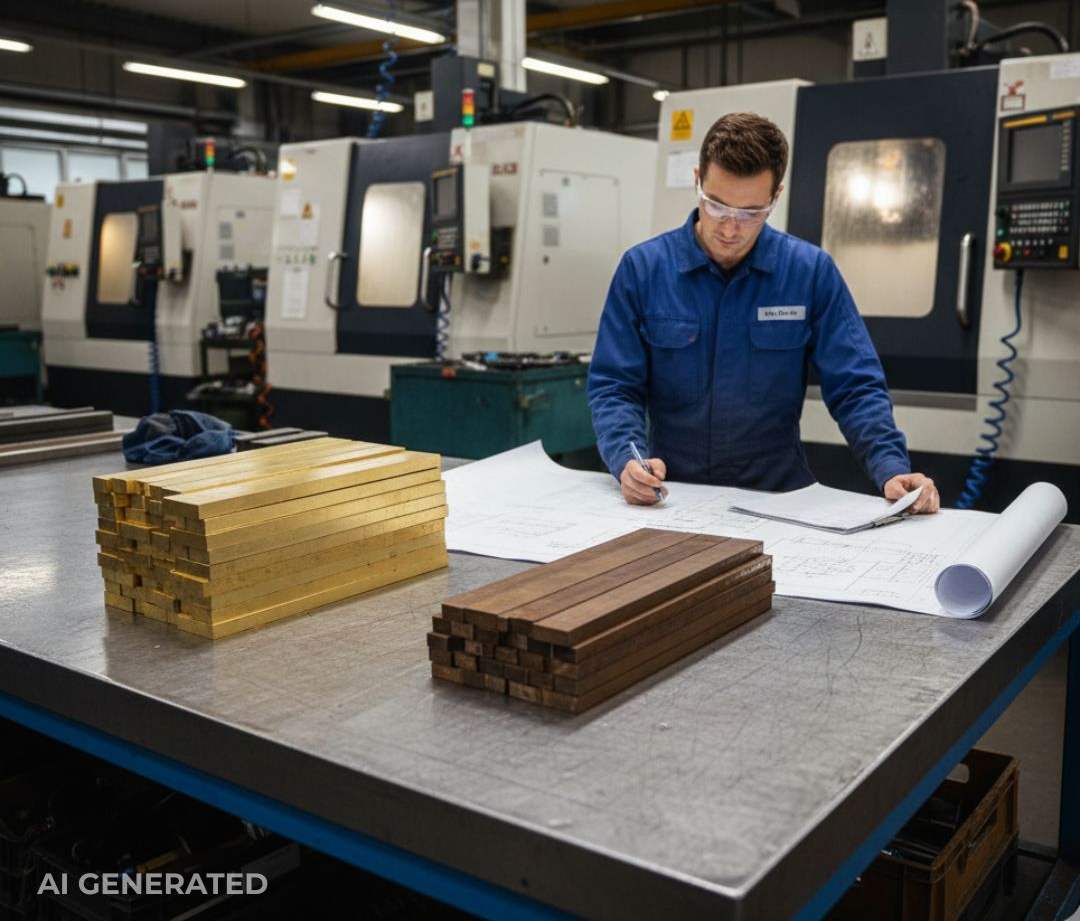
Stacks of brass and bronze stock in a CNC machine shop used for cost and production planning.
When people compare brass vs bronze price, they often focus on raw material cost. In CNC machining, the real difference comes from machining time, tool wear, and overall production efficiency.
Raw Material Market Cost Differences
At the material level:
● Brass is generally less expensive per kilogram and more widely available in machining-friendly grades.
● Bronze alloys often cost more due to higher copper content and specialty alloying elements.
But raw stock price alone rarely determines the final part cost.
For a broader cost perspective beyond copper alloys, this comparison of the most cost-effective metals for CNC machining shows where brass fits when you factor in machining speed, tool wear, and overall production efficiency.
How Machining Efficiency Reduces Your Final Part Cost
Here’s where brass pulls ahead. Faster cutting, longer tool life, and fewer rejected parts translate directly into lower production cost, especially in larger runs.
Total CNC Cost Comparison Table
| Cost Factor | Brass CNC Machining | Bronze CNC Machining |
| Raw material cost | Lower | Higher |
| Machining time per part | Short | Longer |
| Tool consumption | Low | Medium to high |
| Scrap risk | Low | Moderate |
| Post-processing need | Minimal | Often higher |
| Cost predictability | Very high | Moderate |
| Best use case | High-volume, precision parts | Wear-critical, load-bearing parts |
This is why many manufacturers choose brass even when bronze could technically work. The difference between brass and bronze in CNC isn’t just material science, it’s operational economics.
Applications of Brass and Bronze in CNC Machining
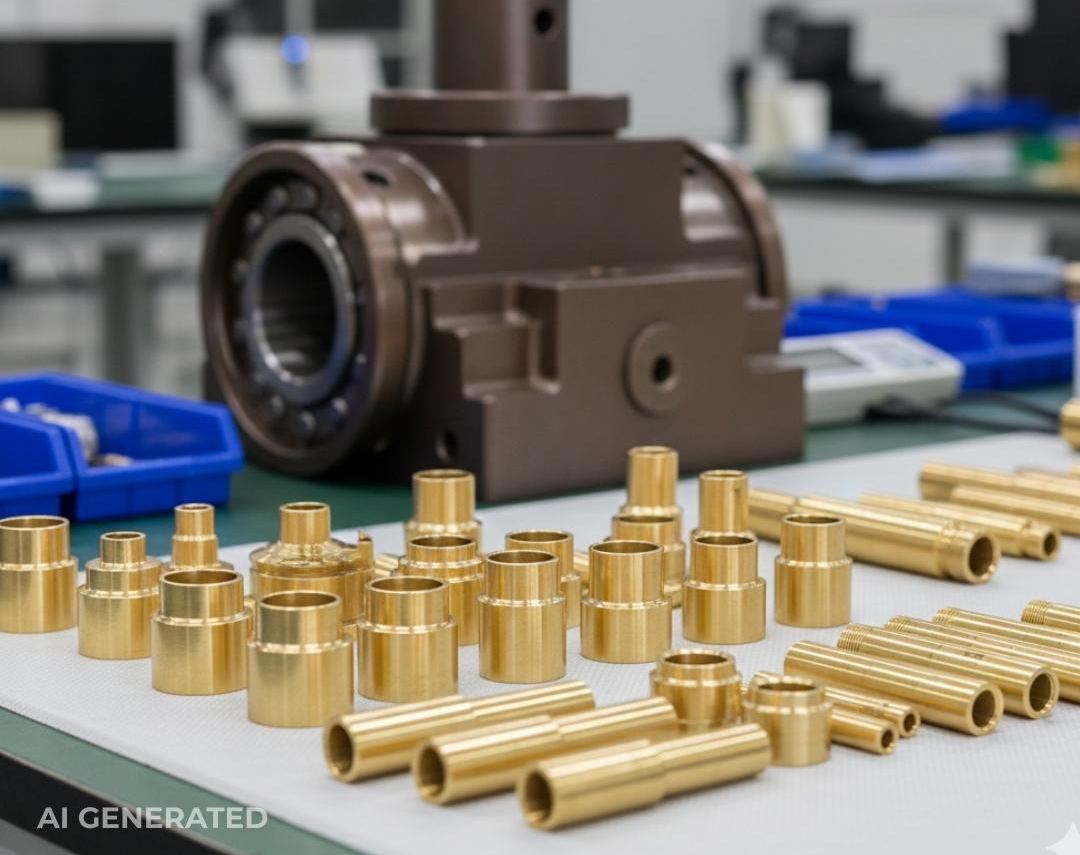
Finished brass CNC machined components used for precision applications displayed inside a manufacturing facility.
When you look at real CNC machining workloads, not textbook examples, the difference between brass vs bronze becomes obvious very quickly. Brass shows up everywhere. Bronze shows up only where it has to.
That imbalance isn’t accidental. It’s driven by machinability, cycle time, and how predictable the material is once the spindle starts cutting.
Common Applications of Brass in Precision CNC Machining
Brass is everywhere because it behaves exactly how CNC machines want materials to behave.
You’ll most often see brass CNC machining used for:
● Electrical connectors, terminals, and contact pins
● Valve bodies, fittings, and fluid control components
● Threaded inserts, bushings, and fasteners
● Decorative or visible parts where surface finish matters
● Small, high-tolerance components produced in volume
The big advantage isn’t just the properties of brass, it’s consistency. Brass cuts clean, holds tight tolerances, and produces reliable finishes without babysitting the machine. For shops running lights-out or high-volume jobs, that matters more than almost anything else.
Brass also handles fine features well. Thin walls, small threads, and sharp edges are much easier to produce without chatter or tool deflection. That’s why brass dominates precision work where repeatability matters more than brute strength.
Why Bronze Is Less Common in CNC Machined Parts
Bronze isn’t rare because it’s inferior, it’s rare because it’s harder to justify unless the application truly needs it.
Most bronze CNC parts exist for specific reasons:
● Wear resistance (bearings, thrust washers)
● Load-bearing or sliding contact surfaces
● Marine or corrosive environments
● Applications where lubrication failure is a risk
From a machining standpoint, bronze brings trade-offs. Cutting forces are higher, chips are tougher, and tool wear increases faster. That means slower feeds, more conservative setups, and higher per-part cost.
In short, bronze is chosen for functional necessity, not convenience. If a part doesn’t need bronze’s wear or load advantages, most engineers won’t spec it, because machining bronze when brass would work is just burning time and money.
Brass vs Bronze for CNC Machining: A Practical Selection Guide
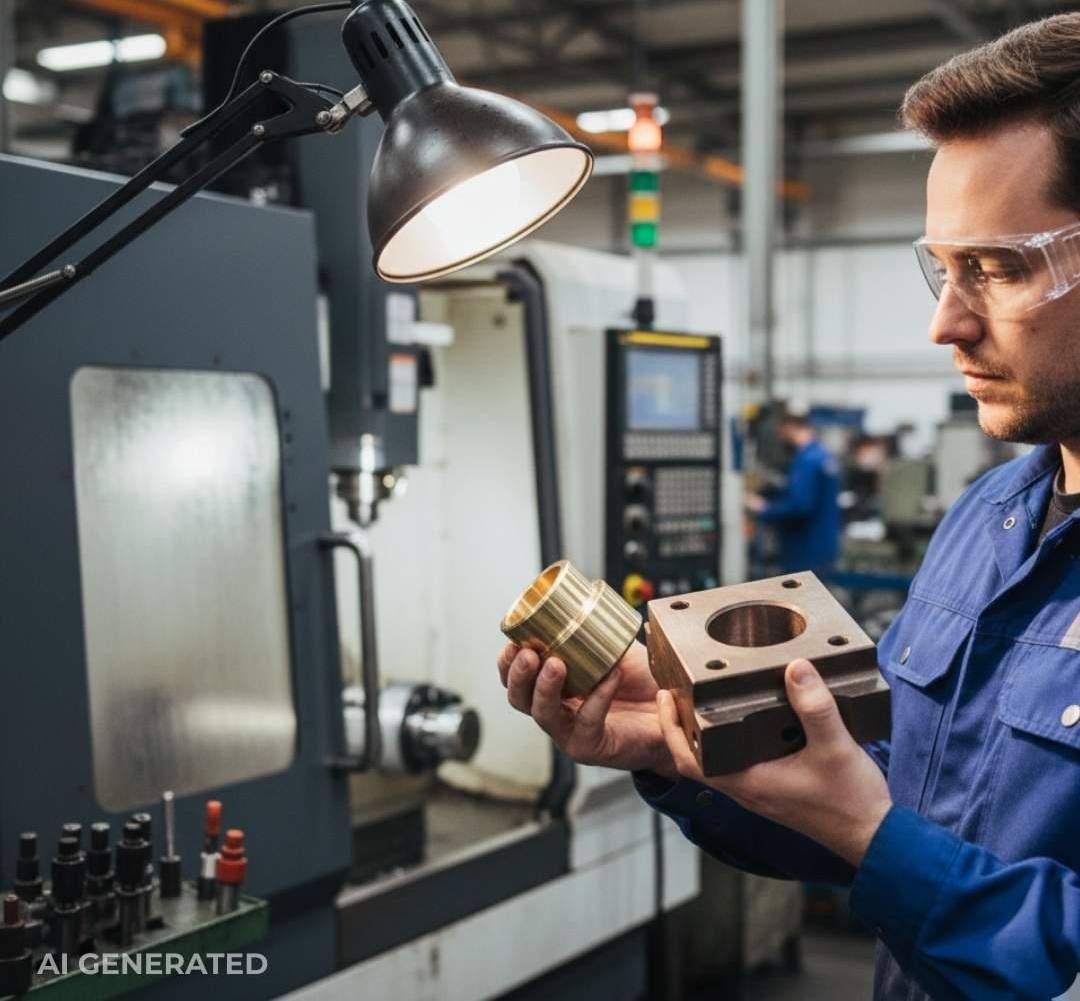
Engineer comparing brass and bronze CNC machined parts during material selection in a factory.
If you strip away material theory and focus on production reality, the decision becomes straightforward. Most CNC material choices come down to three questions:
1. How hard is it to machine?
2. How much will it cost to produce consistently?
3. What does the part actually need to survive in service?
Here’s a clean way to decide.
Comparison Table: Machinability, Cost, and Best Use
| Factor | Brass | Bronze |
| Machinability | Excellent, very forgiving | Moderate, more demanding |
| Typical CNC speed | High | Medium to low |
| Tool life | Long | Shorter |
| Surface finish quality | Excellent straight off machine | Good, but more variable |
| Production cost | Lower | Higher |
| Price sensitivity | Low | Higher |
| Best for | Precision parts, high volume, tight tolerances | Wear-critical, load-bearing parts |
| Common reason to choose | Speed, consistency, cost | Mechanical performance |
How Engineers Usually Decide (Real-World Logic)
If the part:
● Needs tight tolerances
● Will be produced in quantity
● Has fine features or threads
● Needs a clean cosmetic finish
Brass is usually the right call.
If the part:
● Slides, rotates, or carries sustained load
● Must resist wear over time
● Operates in harsh or corrosive environments
● Can tolerate higher machining cost
Bronze earns its place.
That’s the real difference between brass vs bronze in CNC machining. It’s not about theory, but whether bronze’s performance benefits justify slower machining, higher cost, and tighter process control.
Most of the time, it doesn’t, which is exactly why brass remains the default choice on CNC shop floors.

High-Precision Brass CNC Machining Service at JLCCNC
Finding a brass CNC machining service that works for one-off prototypes and low-volume runs is harder than it should be. Most shops either optimize for mass production or charge prototype pricing that makes iteration painful.
JLCCNC sits in that middle ground engineers actually need: precise enough for tight-tolerance brass parts, flexible enough for short runs, and fast enough that you’re not redesigning around lead times.
Whether you’re validating a design, replacing a legacy component, or moving toward small-batch production, the process is built around repeatable accuracy, not just getting metal off the machine.
Precision, Tolerances, and Surface Finishing Options for Brass Parts
Brass is forgiving, but precision parts still demand discipline. At JLCCNC, brass CNC machining focuses on holding tolerances where they matter, not just quoting optimistic numbers.
Typical brass machining capabilities include:
● Tight dimensional control for press fits, threads, and mating features
● Clean edge definition on small features and thin walls
● Stable tolerances across multi-part orders, even at low volume
Surface finish is another area where brass shines, and the machining process is set up to take advantage of that. Depending on the part’s function, you can spec:
● As-machined finishes with smooth tool paths
● Fine surface finishes suitable for visible or decorative components
● Secondary finishing where required for functional or cosmetic reasons
The key point: surface quality isn’t treated as an afterthought. Tooling, feeds, and setups are chosen to reduce post-processing, not create more of it.
Fast Turnaround and Consistent Quality for Custom Brass CNC Parts
Fast turnaround doesn’t mean much if the second batch doesn’t match the first.
JLCCNC’s brass CNC workflow is designed to keep prototype speed and production consistency aligned. That’s especially useful when you’re iterating a design and need confidence that small geometry changes won’t introduce new machining issues.
What this means in practice:
● One-off brass prototypes without “prototype-only” shortcuts
● Low-volume runs that match CAD intent, not shop convenience
● Predictable quality from the first part to the last
For engineers watching cost early in development, JLCCNC also keeps entry barriers low, basic CNC machined parts can start as low as $1, which makes early testing far less painful than traditional quoting cycles.
It’s not about racing to production. It’s about giving you usable, accurate brass parts fast enough to keep development moving.
FAQ
What types of brass are suitable for CNC machining?
Free-machining brass grades are the most common due to their clean cutting behavior and excellent surface finish. Specific grades can be selected based on strength, conductivity, or corrosion resistance requirements.
Is brass suitable for tight-tolerance CNC parts?
Yes. Brass is one of the most stable and predictable materials for precision CNC machining, especially for small features, threads, and fine tolerances.
Can JLCCNC handle one-off brass prototypes?
Absolutely. The process supports single-part prototypes as well as low-volume production without forcing design compromises or inflated pricing.
How fast can brass CNC parts be produced?
Turnaround depends on geometry and finishing, but brass’s machinability allows for shorter cycle times compared to many other metals, making fast delivery realistic even for custom parts.
Is brass better than bronze for CNC machining?
For most precision CNC applications, yes. Brass machines faster, costs less to produce, and delivers more consistent results. Bronze is typically reserved for wear-critical or load-bearing applications.
Popular Articles
• Top 5 Heat-Resistant Metals for CNC Machining and How to Choose
• What are the Main Differences between Aluminum 6061 and 7075
• Aluminum vs Brass: CNC Material Guide for Makers
• Stainless Steel CNC Machining Material Selection Guide Corrosion Resistance and Cost Comparison of 304 vs 316
• Secrets of CNC machining of high hardness stainless steel Cracking the problems of tool wear and work hardening
Keep Learning
Titanium vs Stainless Steel: Key Differences and Applications
Key Takeaway Titanium vs stainless steel weight is where titanium wins most clearly. Titanium is roughly 44% lighter than stainless steel at equivalent volume. Titanium vs stainless steel strength shows a more nuanced picture, titanium Grade 5 has higher specific strength (strength per unit weight) than most stainless grades, but some high-strength stainless grades match or exceed titanium's absolute tensile strength. The difference between titanium and stainless steel in corrosion resistance is minim......
Stainless Steel CNC Machining: Materials, Challenges, Tolerances, and Custom Parts
Key Takeaways About Stainless Steel CNC Machining Stainless steel is usually chosen when aluminum cannot provide enough strength or environmental resistance for the application. Tool wear tends to become a larger concern as cutting time increases. Heat stays near the cutting edge, and the material can harden while machining. Not every stainless grade behaves the same in the machine. A part machined from 303 may run very differently from the same geometry produced in 316. Some cost drivers are easy to ......
Corrosion-Resistant Alloys: Best Metals for CNC Machining & Harsh Environments
Key Takeaways • Corrosion resistance comes from passive oxide layers that form on the metal surface and block further attack. • The most common corrosion resistant metals in CNC machining are stainless steel, aluminum, titanium, nickel alloys, and copper alloys, each suited to different environments and load conditions. • Chloride environments, dissimilar metal contact, and stagnant crevices are the three conditions that most commonly defeat otherwise adequate corrosion resistant materials. • Material......
Steel Machining: CNC Strategies, Material Behavior, and Custom Steel Parts Guide
(AI generated) CNC-machined steel showing raw and finished surface. Steel machining is deceptively simple on a CAD/CAM screen. In the spindle, however, it is a constant calculation of heat soak and chip formation. Unlike softer alloys, steel has lower thermal conductivity than aluminum, causing heat to concentrate near the cutting zone. It doesn't allow for loose parameters. It responds to every pound of pressure, and that inherent resistance is exactly why we specify it for high-stress, load-bearing ......
Ferrous vs Non-Ferrous Metals: Key Differences, Properties & Manufacturing Applications
Choosing between ferrous and non-ferrous metals is a critical decision in CNC machining. Ferrous metals, such as steel, require higher cutting forces, while non-ferrous metals like aluminum allow for higher cutting speeds. The material choice directly impacts spindle speed, tool wear, dimensional stability, and finishing cost, influencing overall manufacturing efficiency. This guide explores the topic from a manufacturing perspective, linking material differences directly to measurable production outc......
Heat Treatment of Metals: Processes, Property Effects, and Manufacturing Decisions
Heat treatment is not merely a material property change; it directly affects how the part behaves during CNC machining. Heat treatment alters a metal’s microstructure, directly affecting hardness and residual stress. Quenching steel can raise hardness from 28 HRC to 52 HRC. Higher hardness increases cutting forces and accelerates tool wear, while annealing reduces both. After annealing, the same material may cut easily, but smears/drags during finishing because internal stresses were redistributed. Th......