Ferrous vs Non-Ferrous Metals: Key Differences, Properties & Manufacturing Applications
9 min
- What Are Ferrous and Non-Ferrous Metals?
- Key Differences Between Ferrous and Non-Ferrous Metals
- Manufacturing Factors That Affect CNC Cost and Stability
- CNC Comparison Case: Shaft Production
- Manufacturing Case: Bracket Redesign and Material Oversight
- Ferrous Metals in Production
- Non-Ferrous Metals in Production
- Choosing Ferrous vs Non-Ferrous Metals for Your Part
- Key Takeaways
- FAQ
Choosing between ferrous and non-ferrous metals is a critical decision in CNC machining. Ferrous metals, such as steel, require higher cutting forces, while non-ferrous metals like aluminum allow for higher cutting speeds. The material choice directly impacts spindle speed, tool wear, dimensional stability, and finishing cost, influencing overall manufacturing efficiency.
This guide explores the topic from a manufacturing perspective, linking material differences directly to measurable production outcomes.
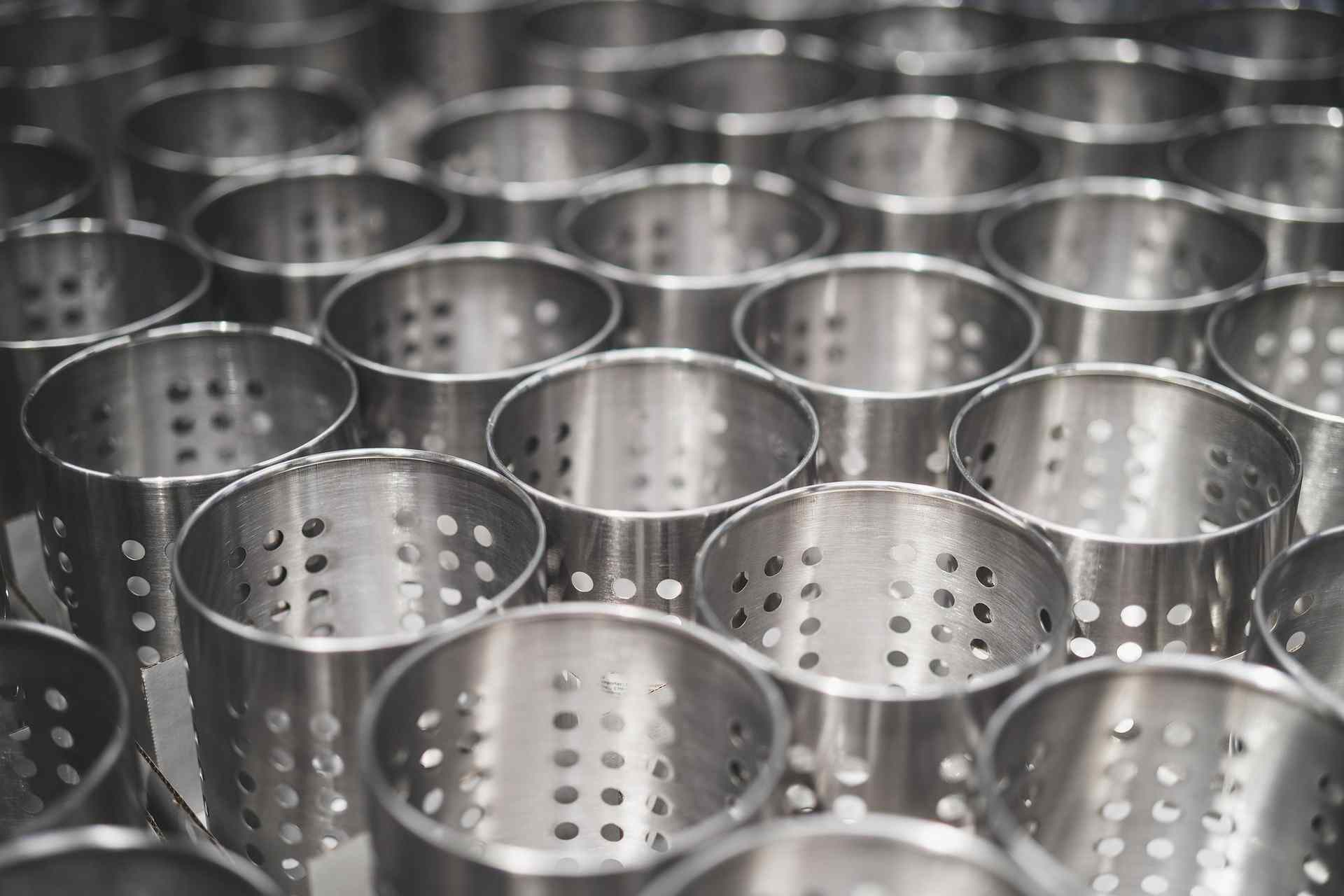
Stainless steel parts in batch production. Source: Pixabay
What Are Ferrous and Non-Ferrous Metals?
Iron content defines the category.
Core Distinction Explained
Ferrous metals
● Iron-based alloys
● Density typically around 7.6–7.9 g/cm³
● High stiffness and structural rigidity
● Often magnetic
● Surface protection is required in many environments
Non-ferrous metals
● Little or no iron
● Density varies widely (aluminum ~2.7 g/cm³, copper ~8.9 g/cm³)
● Often better natural corrosion resistance
● Usually non-magnetic
● Frequently allow higher machining speeds
In structural parts, steel resists deflection under load. In weight-sensitive systems, aluminum reduces mass significantly at the same volume.
Key Differences Between Ferrous and Non-Ferrous Metals
The difference between ferrous and non-ferrous metals lies in their iron content. Ferrous metals contain iron, giving them strength and stiffness, but they can rust without protection. Non-ferrous metals have little or no iron, making them lighter and more resistant to corrosion. These traits directly affect machining behavior, part weight, and how the material performs under load.
In aerospace and automotive applications, aluminum and titanium reduce mass without compromising basic strength. Electronics enclosures favor copper and brass for conductivity and corrosion resistance. In construction or heavy machinery, ferrous metals still dominate where stiffness and load-bearing capacity are critical.
Examples of Ferrous and Non-Ferrous Metals
Common Ferrous Metals
● Carbon steel
● Cast iron
● Tool steel
These metals contain iron and are commonly used in structural and load-bearing applications.
Common Non-Ferrous Metals
● Aluminum
● Copper
● Brass
● Titanium
● Zinc
These metals contain little or no iron and are often selected for corrosion resistance, electrical conductivity, or weight reduction.
The table below summarizes the practical differences between ferrous metals and non-ferrous metals.
Manufacturing Comparison Table
| Property | Ferrous Metals | Non-Ferrous Metals |
| Iron Content | High (contains iron) | Minimal or none |
| Typical Density | ~7.8 g/cm³ | 2.7 g/cm³ (Al), 8.9 g/cm³ (Cu) |
| Tensile Strength | 400-1,500 MPa (depending on alloy and heat treatment) | 70-600 MPa (Al typical) |
| Thermal Conductivity | ~40–60 W/m·K | ~150–400 W/m·K |
| Machining Speed | Typically ranges 80-150 m/min (steel typical) | Typically ranges 300-600 m/min (aluminum typical) |
| Cost Impact | Longer cycle time; possible post-heat treatment cost | Shorter cycle time; lower machining cost |
| Weight (same volume) | Steel = 100% | Al ≈ 35%; Cu ≈ 114% |
The density difference alone can reduce part weight by more than 60% when replacing steel with aluminum at equal volume. Machining speed differences can cut machine time by 20–40% in suitable geometries.
Manufacturing Factors That Affect CNC Cost and Stability
Machinability and Cutting Behavior
Medium-carbon steel typically runs at 80–150 m/min, depending on hardness. Cutting forces are higher, and tool wear increases significantly above 30 HRC. Interrupted cuts require a rigid setup and proper insert geometry.
Aluminum alloys commonly operate at 300–600 m/min. Cutting loads are lower, but a built-up edge can appear without proper lubrication. Chip evacuation becomes critical in deep pockets.
Copper alloys transfer heat efficiently but may produce long, continuous chips. Chip control must be managed to prevent surface marking.
Fixture pressure differs as well. Thin-wall aluminum parts tend to move if the clamping pressure is too high. Steel is generally less sensitive to this.
Heat Treatment and Thermal Response
Steel components can be machined in a softer condition and hardened afterwards. For example:
● Rough machining at 20–25 HRC
● Heat-treated to ~50–60 HRC
● Finish grinding critical surfaces
This sequence improves tool life during roughing.
Aluminum alloys such as 6061-T6 are supplied in a defined temper. Excessive localized heat during welding may reduce the strength near joints. Post-process property adjustment is more limited compared to steel.
Thermal conductivity affects machining stability, but the effect depends on the alloy. Aluminum dissipates heat faster than many steels, yet aggressive cutting can still raise part temperature and cause measurable expansion.
CNC Comparison Case: Shaft Production
25 mm diameter, 180 mm length.
Alloy Steel (4140, ~28 HRC)
● Turning speed: ~120 m/min
● Progressive insert wear
● Optional heat treatment
● Higher rotational stability due to mass
Aluminum (7075-T6)
● Turning speed: ~450 m/min
● Lower cutting load
● No secondary hardening
● 65% weight reduction
Under high torsional loads, aluminum required an increase in diameter to maintain a safety margin. Machining time decreased, but design modification was necessary.
Manufacturing Case: Bracket Redesign and Material Oversight
A structural bracket was initially made of carbon steel. It weighed 4.2 kg and required powder coating. Engineers replaced it with 6061 aluminum, increasing wall thickness to offset lower stiffness. The result:
● Weight dropped to 1.6 kg
● Machining time reduced by 28%
● Coating unnecessary for indoor use
● Total cost reduced by 12 %
However, without adjusting the cross-section experienced excessive deflection under load, a rotating support arm was redesigned from alloy steel to aluminum. Vibration increased, and bearings wore prematurely. This highlighted a key point: reducing weight cannot compromise stiffness. Corrective actions required increasing section thickness, rebalancing mass, and verifying fatigue life.
Takeaway: Material density and tensile strength alone do not guarantee functional performance. Stiffness, load distribution, and geometry adjustments are equally important.
Ferrous Metals in Production
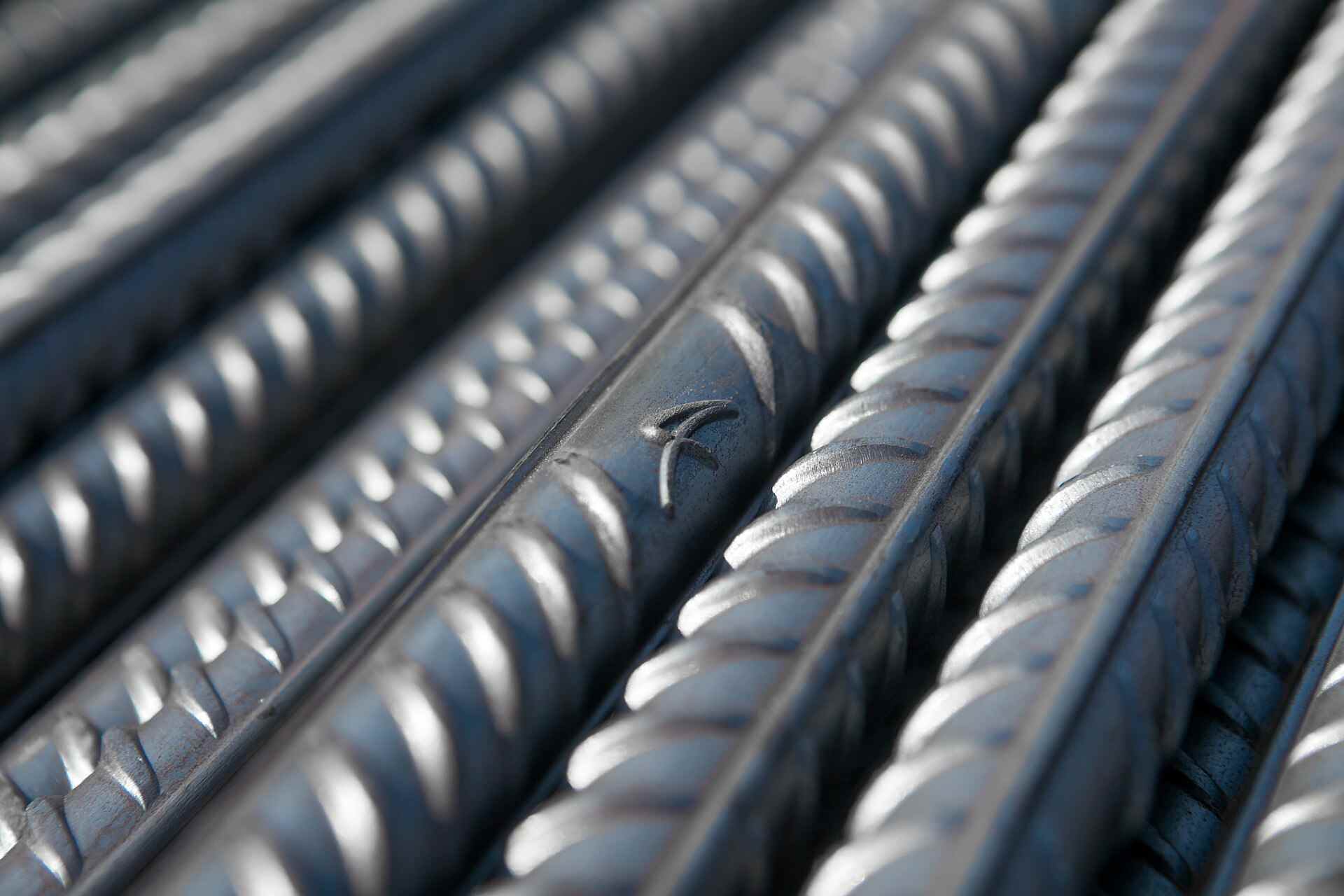
Ferrous steel stock material used for construction and manufacturing. Source: Wikipedia
Carbon steel is widely available and usually presents no surprises during welding. Supply channels are mature in most regions.
Shafts and gears often move to alloy grades once fatigue loading becomes part of the design envelope.
In environments with moisture or chemical exposure, stainless steel tends to replace carbon steel to avoid surface degradation.
Non-Ferrous Metals in Production
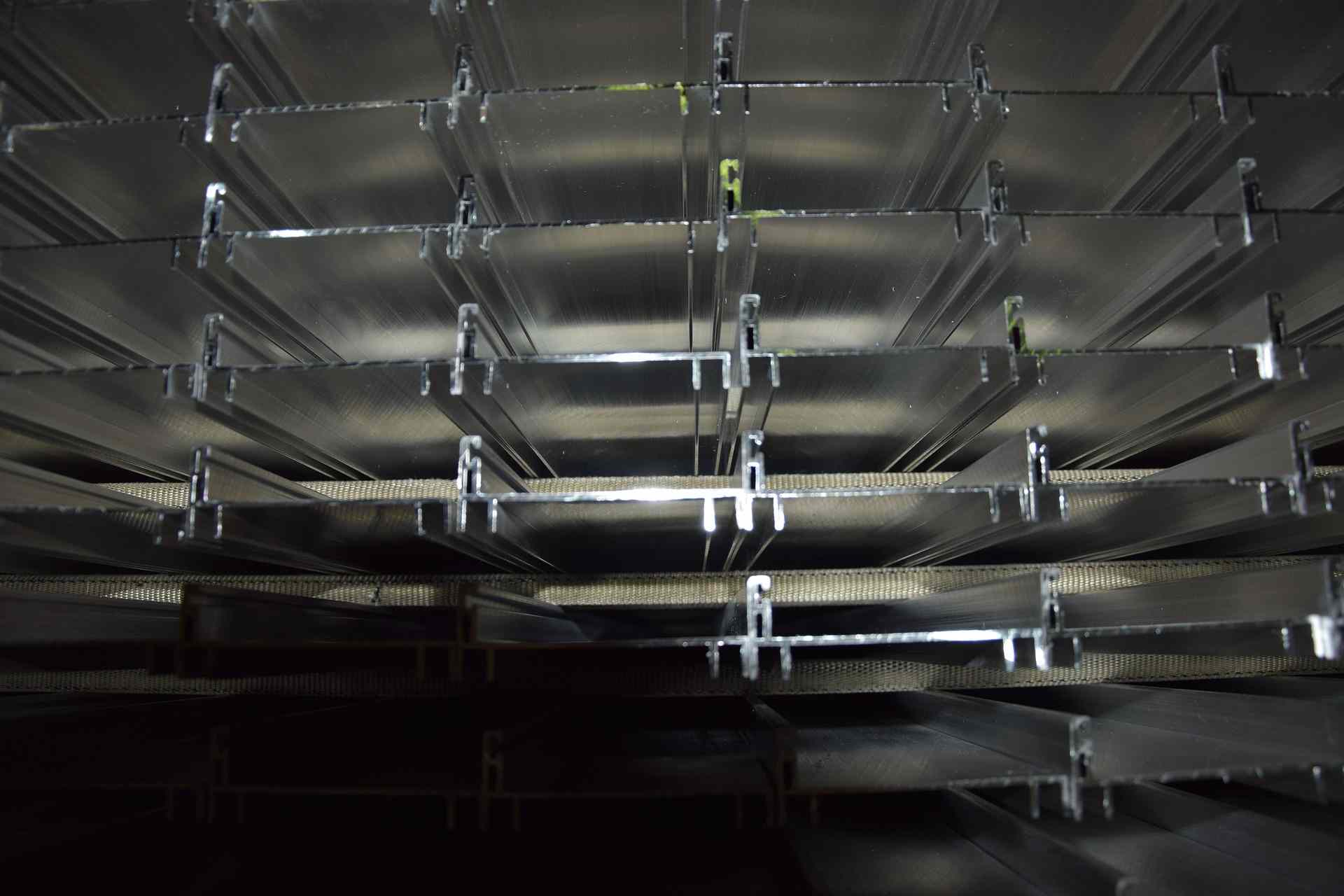
Aluminum as a non-ferrous metal used in CNC machining. Source: Pixabay
Aluminum alloys, such as 6061-T6, are commonly used in aerospace and automotive weight-sensitive structures, as well as enclosures for electronic devices.
Copper is applied in conductive systems.
Brass is selected for fittings where machining stability is required.
Titanium is selected where strength must be maintained while reducing mass. During machining, cutting speed and heat control require close attention.
Non-ferrous alloys are often chosen when weight reduction or corrosion exposure becomes part of the design constraint. In many cases, stiffness is not the primary driver.
Choosing Ferrous vs Non-Ferrous Metals for Your Part
● Material selection affects machining cost, post-processing, shipping weight, and service life.
● Carbon steel generally lowers raw material cost but may increase machining time and finishing steps.
● Aluminum increases material cost but often reduces cycle time and eliminates coatings in suitable environments.
● Titanium is often introduced when mass reduction cannot compromise structural capacity. Machining is less forgiving, and cutting conditions need tighter control.
● In many projects, non-ferrous alloys are selected for their lighter weight and superior resistance to corrosion. However, in structural applications where high stiffness is critical, ferrous metals may still be the preferred choice.
Material choice is only part of the equation. Precise machining makes the difference in how those properties perform in real applications. JLCCNC maintains tight tolerances and stable processes to ensure consistent part quality across both ferrous and non-ferrous metals. Even small batches can be produced with precise control, thanks to low minimum order quantities and rapid turnaround. Sharing your drawings early allows JLCCNC engineers to identify potential machining challenges and suggest adjustments before production.

Key Takeaways
● Ferrous metals (steel is the typical example): they’re the go-to for load-bearing parts. Strong, solid, dependable. The trade-off is weight—and sometimes slower machining.
● Non-ferrous metals (such as aluminum or copper) are lighter by comparison. Aluminum is everywhere when weight needs to stay down, but thin sections can flex if you’re not careful.
● From a machining standpoint, these materials don’t behave the same. Feeds, tool life, and cycle time can vary a lot depending on the machine setup.
● There’s no universal “better” option. The right choice usually depends on what the part actually has to do—and how it will be made.
● In real production, steel still dominates heavy structural work, while aluminum shows up frequently in aerospace, automotive, and electronics where every gram matters.
FAQ
What is the main difference between ferrous and non-ferrous metals?
Ferrous metals contain iron, while non-ferrous metals have little to no iron content. This affects their properties, such as magnetism, corrosion resistance, and weight.
Are all steels considered ferrous metals?
Yes, steel is a ferrous metal because it is primarily composed of iron.
Which type of metal reduces machining time?
Non-ferrous metals, like aluminum, typically allow for higher cutting speeds and lower cutting forces, reducing machining time compared to ferrous metals like steel.
Can replacing steel with aluminum reduce cost?
Yes, replacing steel with aluminum in certain parts can reduce machining costs due to its lighter weight and higher machining speeds, though material costs may be higher.
How does aluminum compare to steel in terms of stiffness?
Aluminum is less stiff than steel, making it more suitable for applications where lightweight is a priority, while steel is preferred for strength and structural integrity.
Which metals are best for CNC machining cost optimization?
Material selection directly impacts machining efficiency and cost. Aluminum and brass, for example, cut quickly with minimal tool wear, making them ideal for prototypes or small-batch parts. Stainless steel or tool steel, while stronger, slows down spindle speeds and requires more frequent tool changes.
How does material choice affect tool life and surface finish?
Tool wear and surface quality depend on metal hardness and abrasiveness. Hard steels and cast irons shorten tool life and risk micro-chipping, while softer metals like aluminum or copper alloys allow smoother finishes but may smear if heat builds up.
Popular Articles
• Top 5 Heat-Resistant Metals for CNC Machining and How to Choose
• What are the Main Differences between Aluminum 6061 and 7075
• Aluminum vs Brass: CNC Material Guide for Makers
• Stainless Steel CNC Machining Material Selection Guide Corrosion Resistance and Cost Comparison of 304 vs 316
• Secrets of CNC machining of high hardness stainless steel Cracking the problems of tool wear and work hardening
Keep Learning
Titanium vs Stainless Steel: Key Differences and Applications
Key Takeaway Titanium vs stainless steel weight is where titanium wins most clearly. Titanium is roughly 44% lighter than stainless steel at equivalent volume. Titanium vs stainless steel strength shows a more nuanced picture, titanium Grade 5 has higher specific strength (strength per unit weight) than most stainless grades, but some high-strength stainless grades match or exceed titanium's absolute tensile strength. The difference between titanium and stainless steel in corrosion resistance is minim......
Stainless Steel CNC Machining: Materials, Challenges, Tolerances, and Custom Parts
Key Takeaways About Stainless Steel CNC Machining Stainless steel is usually chosen when aluminum cannot provide enough strength or environmental resistance for the application. Tool wear tends to become a larger concern as cutting time increases. Heat stays near the cutting edge, and the material can harden while machining. Not every stainless grade behaves the same in the machine. A part machined from 303 may run very differently from the same geometry produced in 316. Some cost drivers are easy to ......
Corrosion-Resistant Alloys: Best Metals for CNC Machining & Harsh Environments
Key Takeaways • Corrosion resistance comes from passive oxide layers that form on the metal surface and block further attack. • The most common corrosion resistant metals in CNC machining are stainless steel, aluminum, titanium, nickel alloys, and copper alloys, each suited to different environments and load conditions. • Chloride environments, dissimilar metal contact, and stagnant crevices are the three conditions that most commonly defeat otherwise adequate corrosion resistant materials. • Material......
Steel Machining: CNC Strategies, Material Behavior, and Custom Steel Parts Guide
(AI generated) CNC-machined steel showing raw and finished surface. Steel machining is deceptively simple on a CAD/CAM screen. In the spindle, however, it is a constant calculation of heat soak and chip formation. Unlike softer alloys, steel has lower thermal conductivity than aluminum, causing heat to concentrate near the cutting zone. It doesn't allow for loose parameters. It responds to every pound of pressure, and that inherent resistance is exactly why we specify it for high-stress, load-bearing ......
Ferrous vs Non-Ferrous Metals: Key Differences, Properties & Manufacturing Applications
Choosing between ferrous and non-ferrous metals is a critical decision in CNC machining. Ferrous metals, such as steel, require higher cutting forces, while non-ferrous metals like aluminum allow for higher cutting speeds. The material choice directly impacts spindle speed, tool wear, dimensional stability, and finishing cost, influencing overall manufacturing efficiency. This guide explores the topic from a manufacturing perspective, linking material differences directly to measurable production outc......
Heat Treatment of Metals: Processes, Property Effects, and Manufacturing Decisions
Heat treatment is not merely a material property change; it directly affects how the part behaves during CNC machining. Heat treatment alters a metal’s microstructure, directly affecting hardness and residual stress. Quenching steel can raise hardness from 28 HRC to 52 HRC. Higher hardness increases cutting forces and accelerates tool wear, while annealing reduces both. After annealing, the same material may cut easily, but smears/drags during finishing because internal stresses were redistributed. Th......