CBAM Compliance Guide: Materials, Costs, Strategy, and Checklist for Manufacturers
21 min
- CBAM Compliance Explained (Quick Overview)
- The CBAM Reality Check: Beyond the Paperwork
- What Compliance Actually Looks Like on the Floor
- CBAM Materials List and Scope in Manufacturing
- Where CBAM Costs Actually Come From
- CBAM Compliance Checklist for Manufacturers and Exporters
- Step-by-Step CBAM Compliance Process
- CBAM Strategy: How Manufacturers Reduce Cost and Risk
- CBAM Procurement: How to Evaluate Suppliers and Quotes
- How CBAM Changes CNC Manufacturing Decisions
- From Compliance to Action: Practical Next Steps
- FAQ About CBAM Compliance
CBAM Compliance Explained (Quick Overview)
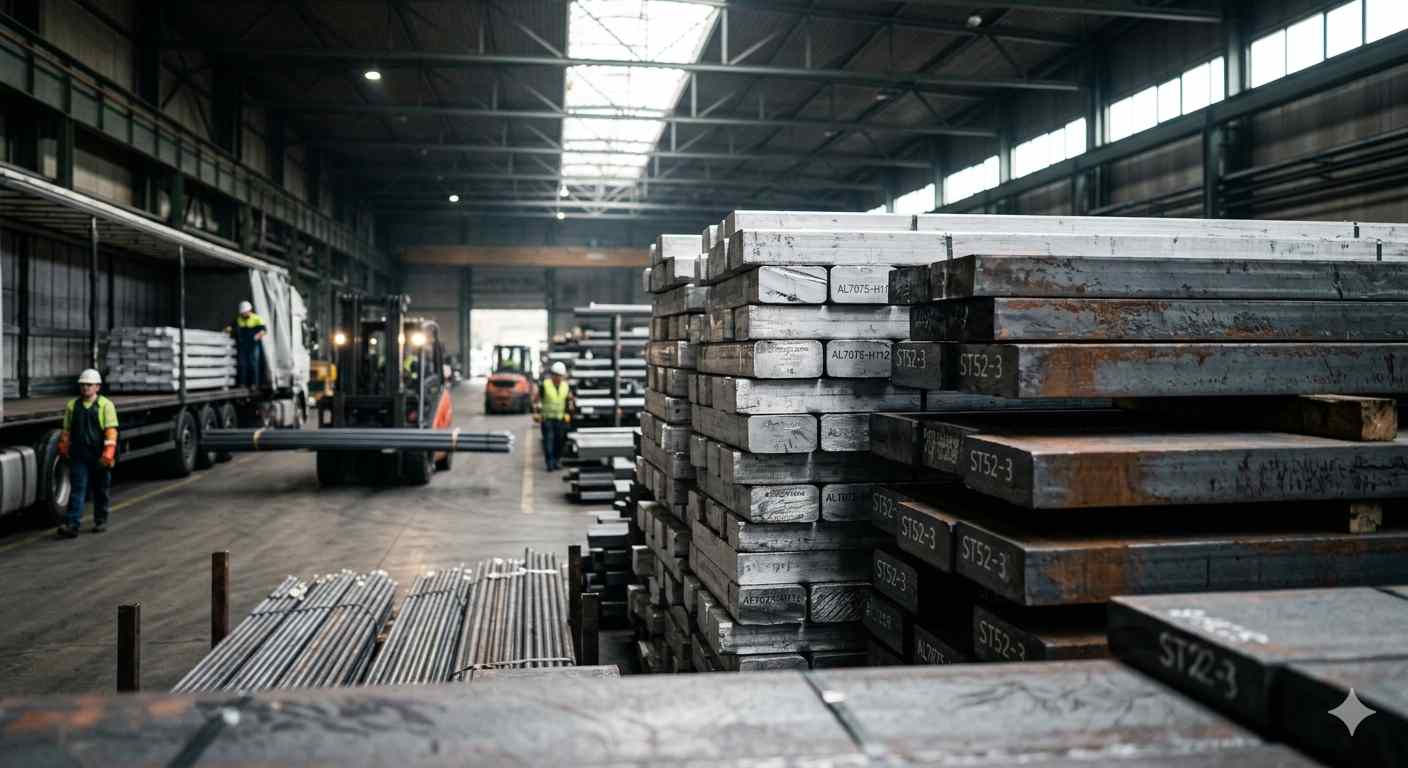
(AI generated) CBAM materials
By the time 2026 rolls around, the EU border is going to look very different for industrial importers. We aren't just talking about standard customs duties or typical trade tariffs anymore. We are entering the era of the Carbon Border Adjustment Mechanism (CBAM), where the price of a part is only one component of its total impact, with embedded carbon emissions increasingly factored into procurement decisions.
This is a massive shift in how billions of euros in industrial trade are calculated. According to the European Commission, the initial rollout targets the heavy hitters, the materials that drive the bulk of global industrial emissions:
- Steel and aluminum (the primary concern for most of our clients).
- Cement and fertilizers.
- Electricity and hydrogen.
Combined, these sectors represent roughly 94 million tonnes of embedded CO₂ entering the EU every year. For any manufacturer currently supplying the European market, this changes the definition of a part. Carbon data is no longer a preferable marketing metric; it is now a strict compliance requirement that determines whether your shipment clears customs or gets hit with a massive surcharge.
What CBAM actually does
At its core, CBAM compliance requires companies importing covered materials into the EU to report and eventually pay for the carbon emissions associated with their products.
The system works by aligning imported goods with the EU’s internal carbon pricing under the European Union Emissions Trading System. If a product is manufactured in a region with lower environmental costs, CBAM adds a carbon price at the border to level the playing field.
The mechanism operates in two phases:
Phase | Timeline | What Companies Must Do |
|---|---|---|
Transitional phase | 2023–2025 | Report embedded emissions in CBAM materials (no payments yet) |
Full implementation | 2026 onward | Purchase CBAM certificates based on reported emissions |
This means many manufacturers are already required to submit quarterly CBAM reports detailing the carbon intensity of imported goods.
Why manufacturers need a CBAM strategy
For companies involved in global supply chains, CBAM compliance costs will depend on several factors:
- Carbon intensity of the material
- Energy source used in production
- Transparency of supplier emissions data
- EU carbon price fluctuations
In practice, two suppliers producing the same aluminum component may face very different CBAM costs depending on how their electricity is generated or how efficient their manufacturing process is.
Because of this, procurement decisions are starting to shift. Instead of evaluating suppliers only by price and lead time, many manufacturers are now analyzing embedded carbon data as part of sourcing strategy.
What this guide covers
This CBAM compliance guide explains the key topics manufacturers need to understand, including:
- Which CBAM materials fall within the regulation
- How to estimate CBAM compliance costs
- Reporting requirements for importers
- Supplier evaluation and carbon transparency
- A practical CBAM compliance checklist for industrial companies
The CBAM Reality Check: Beyond the Paperwork
For any manufacturer moving parts or raw materials into Europe, the Carbon Border Adjustment Mechanism (CBAM) is a looming financial variable. As we move toward full enforcement, leaving compliance decisions until later often leads to unexpected border costs and supply chain delays
The irony of CBAM is that the regulation itself is relatively straightforward. The main difficulty lies in the data gap. Most shops can tell you the exact tolerances of a finished part, but almost none can tell you the embedded emissions of the raw billet or sheet they started with.
The Role of Transparency in the Shop
This is where your choice of manufacturing partners shifts from a procurement decision to a compliance strategy. If you're sourcing precision components or custom enclosures, you need a supplier that understands that a part now includes its data footprint.
At JLCCNC, we’ve focused on bridging that gap. By backing our CNC machining and sheet metal fabrication with transparent material sourcing, we take the guesswork out of the export process. When you’re shipping to Europe, having structured production records, from material specs to the specific manufacturing workflow, means you aren't scrambling for documentation when a compliance officer asks for it.
Because aluminum and steel are the primary targets of CBAM, having a supplier that maintains a "digital paper trail" is the simplest way to de-risk your export business.
What Compliance Actually Looks Like on the Floor
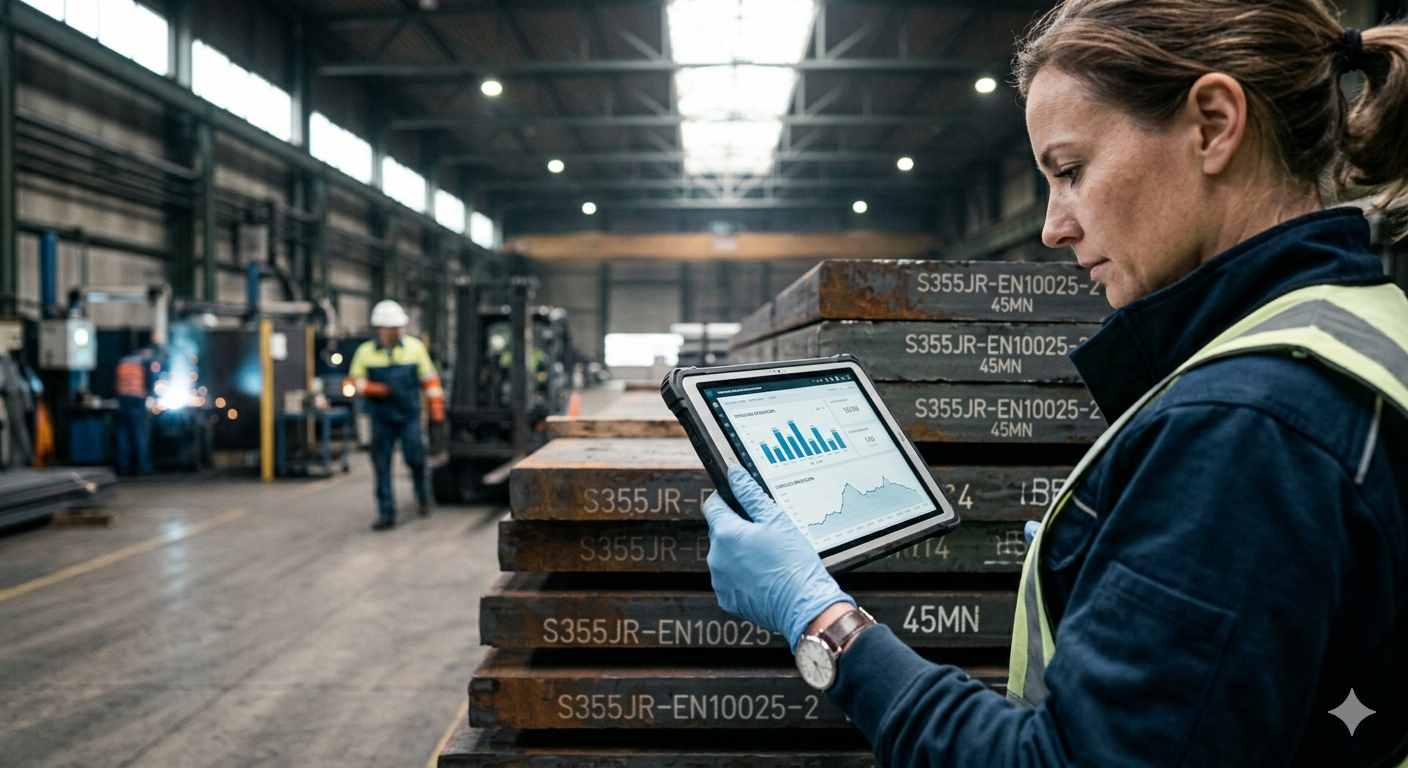
(AI generated) Engineer reviewing emissions data
If you strip away the policy jargon, CBAM compliance boils down to one relentless task: reporting the carbon story of your materials. It’s no longer enough to deliver a quality part; you have to prove where it came from and what it cost the environment to get it to the border.
For most manufacturers and importers, this means building a system that tracks emissions data from suppliers and submits that information through EU reporting channels.
The challenge is gathering accurate emissions data across multiple suppliers, materials, and production stages.
What Importers Are Actually Required to Do
Companies importing covered materials into the EU must submit regular CBAM reports detailing the embedded emissions of those goods.
During the current transitional phase, importers are required to:
- Identify whether their products include CBAM materials such as steel or aluminum
- Collect emissions data from the original manufacturer
- Calculate embedded carbon intensity per ton of material
- Submit quarterly CBAM reports to EU authorities
From 2026 onward, CBAM enters its full implementation phase, where importers are required to purchase CBAM certificates based on reported embedded emissions. Importers will have to buy CBAM certificates at a price tied directly to the EU's carbon market. The certificate mechanism is introduced progressively rather than as a single-step change. If you're moving high volumes of metal, this is a direct procurement cost that will hit your bottom line.
The ‘Material-First’ Rule
CBAM currently applies directly to specific CN codes covering raw and semi-finished materials such as aluminum and steel. Finished goods are not directly regulated, but they are indirectly affected because their embedded emissions must be traced back to the underlying materials.
For example, a CNC-machined aluminum housing might not be regulated as a final assembly, but the aluminum billet it was carved from absolutely is. This means your reporting starts at the smelter instead of the machine shop. You need the ‘carbon story’ of the raw ingot, including:
- Primary Smelting: Was it coal or hydro-powered?
- Refining Energy: How much CO₂ was baked in before the metal ever reached the factory?
The New Sourcing Standard
This shifts the entire burden of proof onto your supply chain. It’s no longer enough to find a supplier with the right price and lead time; you need a partner who can hand over transparent material documentation as a standard deliverable. Without that data, you’re forced to pay the highest default carbon rates at the border, effectively erasing any savings you found by picking a cheaper, less transparent supplier.
CBAM Materials List and Scope in Manufacturing
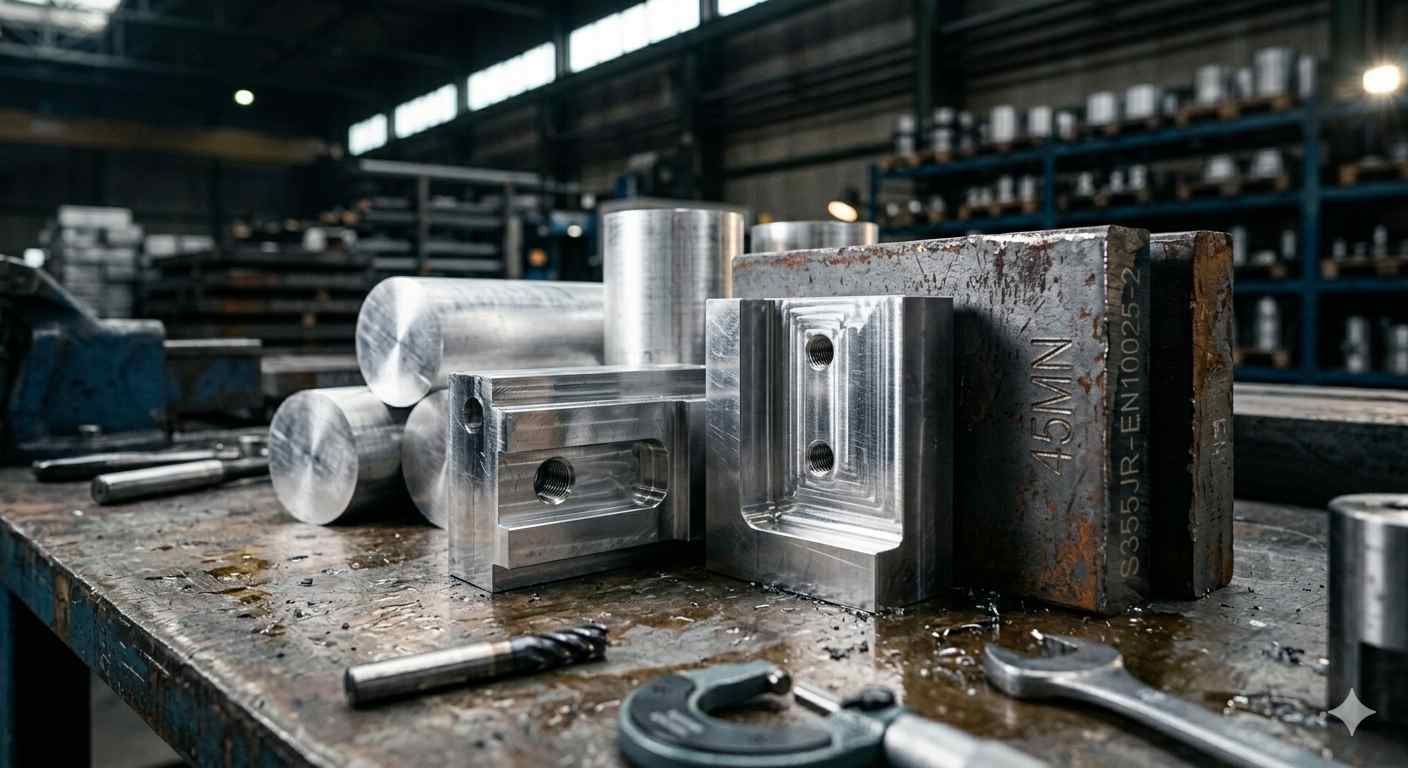
(AI generated) CBAM materials
A machined enclosure, structural bracket, or industrial housing might not be directly regulated as a finished product. However, if the aluminum billet or steel plate used to make it falls under CBAM, the emissions tied to that material still matter.
Understanding where those materials enter the supply chain is the first step toward CBAM compliance.
Core Covered Materials (Aluminum, Steel, etc.)
The current CBAM framework targets sectors with high carbon intensity and large import volumes into the EU. These materials form the foundation of many industrial supply chains.
Material Category | Typical Industrial Forms | Why It Is Covered |
|---|---|---|
Aluminum | billets, slabs, ingots, rolled sheet | Energy-intensive smelting process |
Steel | coils, plates, structural sections | High emissions from blast furnaces |
Cement | clinker and cement blends | CO₂ released during calcination |
Fertilizers | ammonia-based fertilizers | Heavy natural gas consumption |
Hydrogen | industrial hydrogen supply | High energy requirements for production |
Electricity | imported power | Direct link to carbon intensity |
Among these, steel and aluminum are especially relevant to manufacturing sectors such as machining, fabrication, automotive, and industrial equipment.
For example, aluminum production emissions vary significantly depending on the energy source. In coal-based systems, emissions can reach approximately 16–20 tonnes of CO₂ per tonne of aluminum, while hydropower-based production may fall in the range of 4–8 tonnes. This gap is one of the main drivers behind CBAM cost differences. Because of this high footprint, aluminum is one of the most closely monitored CBAM materials.
Understanding how different aluminum and steel grades are used in manufacturing can also help explain why emission levels vary across suppliers. Our CNC machining materials guide dives into material selection and properties for industrial applications.
For products involving aluminum or steel housings, working with reliable sheet metal fabrication services can help maintain consistent material sourcing and documentation across production batches.
Raw vs Semi-Finished Materials in Supply Chains
Another important aspect of CBAM is the distinction between raw materials and semi-finished materials.
Raw materials typically include:
- Primary aluminum ingots
- Crude steel
- Basic chemical feedstocks
Semi-finished materials include forms that have already undergone partial processing but still retain most of their embedded emissions.
Examples include:
- Aluminum billets used for CNC machining
- Rolled aluminum sheet used for sheet metal fabrication
- Steel plates used in structural components
- Extruded aluminum profiles
Learn more about aluminum machining and material handling in our CNC aluminum machining guide.
In many manufacturing workflows, companies don’t purchase raw metal directly. Instead, they source semi-finished stock such as billets, bars, or sheets from material suppliers.
However, the embedded carbon footprint remains tied to the original production process, which is why emissions data from the upstream supplier is still required for CBAM reporting.
This is also why supplier transparency becomes critical for CBAM compliance. Without reliable data from upstream material producers, importers cannot accurately calculate embedded emissions.
Manufacturers sourcing precision components often rely on CNC machining services that provide clear material specifications and documented supply chains to support traceability requirements.
How CNC Parts Are Indirectly Affected
Even though CBAM currently focuses on raw and semi-finished materials, many downstream products are indirectly affected through their supply chains.
Take a simple CNC-machined aluminum part as an example. The machining process itself produces relatively little carbon compared with the material production stage. Most of the emissions come from aluminum smelting and refining, which occur long before the part reaches a machining facility.
Because of this structure, CBAM impacts manufacturing in several indirect ways:
- Suppliers may begin providing material carbon intensity data
- Procurement teams may compare suppliers based on emissions transparency
- Sourcing strategies may shift toward lower-carbon material producers
For manufacturers exporting parts into the European market, the key takeaway is that.. CBAM compliance starts with understanding where the base materials come from.
Even if the final component is produced through CNC machining, sheet metal fabrication, or assembly, the embedded emissions of the aluminum or steel used to make it will ultimately determine how CBAM applies within the supply chain.
Where CBAM Costs Actually Come From
When a procurement team first looks at CBAM, the instinct is to check the unit price of the part. But CBAM doesn’t care about the invoice price; it cares about the carbon debt hidden inside the metal.
This is why two identical aluminum brackets, same grade, same tolerances, same finish, can have wildly different costs at the EU border. One has a clean carbon story; the other is carrying a massive regulatory tax.
Embedded Carbon as the Primary Cost Driver
The bulk of your compliance cost is decided long before the part hits a CNC machine or a press. It’s decided at the smelter. In the world of aluminum and steel, the carbon intensity happens during the primary refining stage.
- The Energy Variable: If your aluminum was smelted using coal-fired power, its carbon footprint can be five times higher than if it were made with hydropower.
- The Invisible Difference: On the inspection table, these parts look the same. But under CBAM, the coal-powered part is a financial liability because of the embedded emissions it’s hauling across the border.
Carbon Pricing and Certificate Mechanism
The EU doesn't just fine you; they make you buy your way in through a certificate system. Think of it as a carbon customs duty. You have to purchase certificates to offset the CO₂ embedded in your shipment.
The math is straightforward: Cost = (Tons of Embedded CO₂) × (Current EU Carbon Price). If the EU carbon market spikes, your import costs spike instantly.
Why Identical Parts Can Have Different CBAM Costs
The price difference between two identical parts often comes down to supply chain origin. It’s not about the part’s quality; it’s about the "green-ness" of the country it came from and the efficiency of the specific mill.
For any manufacturer exporting to Europe, ‘Supplier Selection’ is no longer just about who is the cheapest or fastest, but about who has the lowest carbon intensity. A cheap part from a high-emission region might end up being the most expensive option after the CBAM certificates are added.
CBAM Compliance Checklist for Manufacturers and Exporters
Treat this as a quick internal audit. If you cannot check every box below, your CBAM reporting process likely has a gap.
1. Material Origin and Production Data
Confirm that each shipment includes verified upstream carbon data.
☐ Identify whether the metal comes from primary smelting or recycled (secondary) production
☐ Record the exact country of smelting, not just the machining location
☐ Collect the verified CO₂ emissions intensity (tCO₂ per ton of material)
☐ Confirm emissions data is facility-specific rather than industry average
If this data is missing, the EU may assign default emission values, which are typically the highest possible scenario.
2. Supplier Documentation and Traceability
Your supplier documentation must link the finished part to its raw material source.
☐ Obtain Environmental Product Declarations (EPDs) or equivalent emissions documentation
☐ Maintain Material Test Reports (MTRs) tied to the original melt batch
☐ Verify that the supplier can provide facility-level emissions declarations
☐ Ensure traceability from finished component → raw material heat → smelting facility
Without this digital traceability chain, carbon reporting becomes guesswork.
3. Internal CBAM Reporting Workflow
Most exporters now treat CBAM as a structured internal process rather than a quarterly scramble.
☐ Flag all CBAM-regulated materials (steel, aluminum, etc.) at receiving
☐ Request emissions documentation during procurement, not after delivery
☐ Store emissions data in a centralized digital reporting system
☐ Aggregate embedded carbon data for quarterly submission to the EU CBAM portal
The earlier emissions data enters your workflow, the easier reporting becomes.
4. Common Compliance Risks to Audit
These are the most frequent failure points in CBAM reporting.
☐ Using default emissions values because supplier data was incomplete
☐ Storing emissions data in disconnected PDFs or spreadsheets
☐ Treating CBAM as a legal reporting task instead of a procurement responsibility
☐ Missing traceability between supplier documentation and the finished part
Fixing these issues early protects margins. In the 2026 manufacturing landscape, carbon traceability is becoming as critical as dimensional tolerance.
Step-by-Step CBAM Compliance Process
At first glance, CBAM can seem complicated because it requires procurement, sustainability, and legal teams to coordinate closely. In reality, it’s just a new layer of data management. Once you build a repeatable workflow, it stops being a crisis and just becomes part of your standard operating procedure.
Step 1: Identify CBAM materials in your supply chain
The first hurdle is mapping your exposure. You need to audit every SKU to see where aluminum or steel is hiding. A lot of manufacturers are surprised to find that even a small non-critical bracket or a custom enclosure falls under the regulated umbrella. If it’s metal and it’s crossing the EU border, it’s on the list.
Step 2: Trace material origin and supplier data
This is the most time-consuming part: finding out where the "metal in the middle" actually came from. You need to go upstream past your immediate vendor to the actual mill or smelter. It’s no longer enough to specify the material grade. You also need the carbon intensity of the furnace that produced the steel.
Since machined or fabricated parts have multiple touches, understanding the journey from raw billet to finished part is essential. This is why we focus so heavily on material transparency at JLCCNC. It makes this tracing step significantly faster for our clients.
Step 3: Calculate embedded emissions
Once you have the supplier’s data, you have to do the math. These values, essentially the "carbon weight" of your shipment, are the foundation of your report. If you don't have the data, you're forced to use the EU's default values, which are intentionally set high and will eat into your margins.
Step 4: Submit quarterly CBAM reports
We are currently in the transitional phase, which means it’s all about the paperwork. You have to file quarterly reports through the EU CBAM portal. Think of this as a practice run before the real financial stakes begin.
Step 5: Prepare for certificate purchasing (2026 onward)
This is when the "Carbon Tax" becomes a line item. Starting this year, you’ll need to buy certificates to cover the emissions you reported. This is where your choice of manufacturing partner becomes a financial decision. A partner who can document a low-carbon sourcing route isn't just a supplier. They are a way to lower your tax liability.
CBAM Strategy: How Manufacturers Reduce Cost and Risk
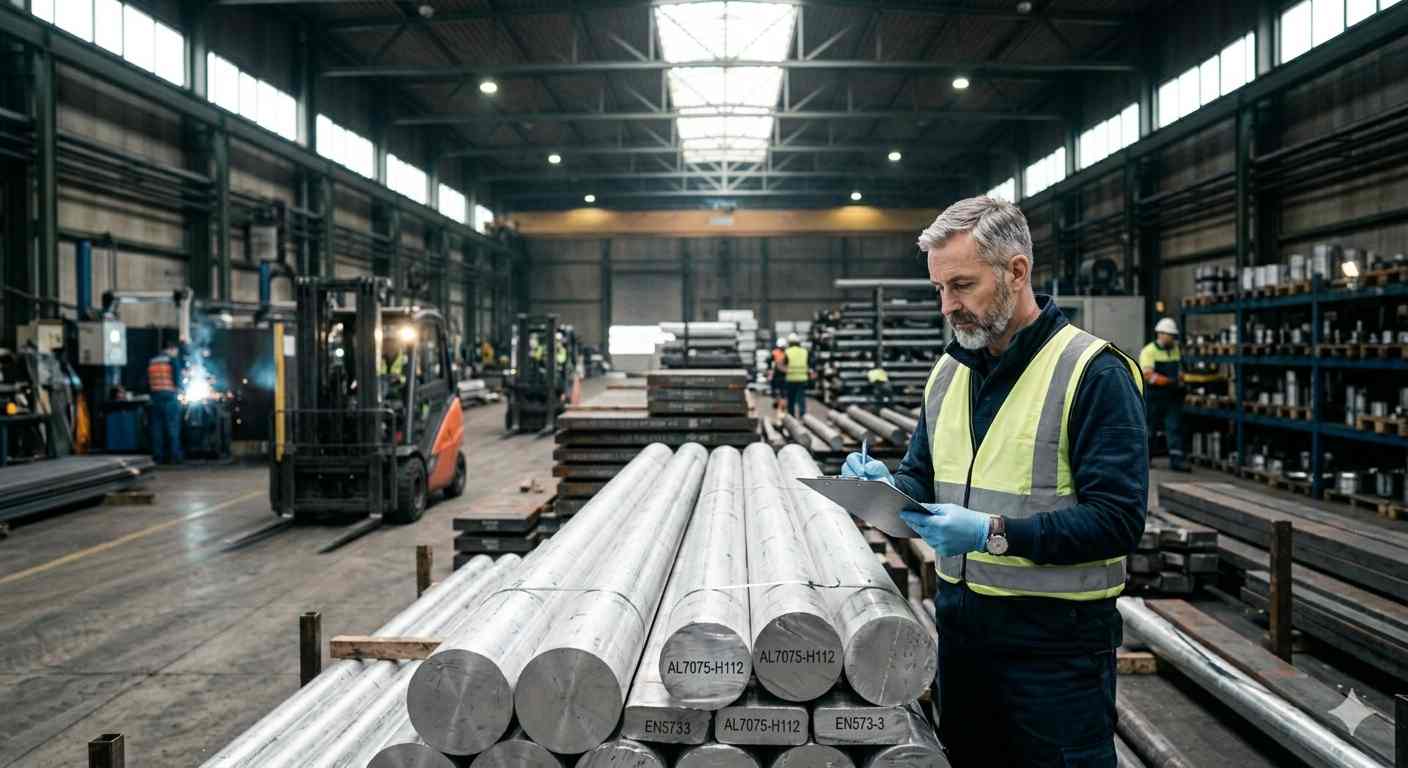
(AI generated) Evaluating aluminum material sourcing
Procurement decisions now factor in total landed cost, including carbon risk.
Material Substitution vs Carbon Impact
It’s a common mistake to think that switching from one aluminum alloy to another will fix your CBAM score. In reality, the alloy type matters less than the energy mix of the smelter. An efficient grade made with coal power will always be more expensive under CBAM than a standard grade made with wind or hydro.
Supplier Selection Based on Carbon Transparency
The easiest way to de-risk is to work with suppliers who treat data as a deliverable. At the end of the day, a part you can't prove is clean is a part that costs you extra at the border. We ensure our production records include:
- Verified origin data.
- Clear emissions declarations.
- A traceable path from raw stock to finished housing.
When to Shift Sourcing Region
Sometimes, the math tells you to move. If a sourcing region is heavily reliant on dirty energy, the CBAM certificates might make those parts 20% more expensive than parts from a "green" grid, even if the labor is cheaper. Manufacturers are now looking at the Energy Mix of their sourcing regions as a primary KPI.
Trade-Off Between Cost, Lead Time, and Compliance
The most resilient shops are the ones that balance the "Old Three" (Cost, Quality, Speed) with the "New One" (Compliance).
- The Goal: A supply chain where you can pull a CAD file, get a quote, and see the carbon footprint in the same afternoon.
CBAM Procurement: How to Evaluate Suppliers and Quotes
CBAM has effectively killed the price-only era of procurement. If you’re still sourcing based solely on the lowest quote, you’re likely walking into a financial trap. In 2026, the true cost of a part is the invoice plus the carbon debt you inherit the moment that material crosses the border.
What to Ask Suppliers Before Ordering
Treat your RFQ like an audit. If a supplier can't give you the "carbon birth certificate" of their metal, they aren't a viable partner for the EU market. You need to pin them down on:
- The Exact Melt Location: "Country of origin" isn't enough; you need the production facility's location.
- The Energy Profile: Was this aluminum smelted with coal or hydro?
- The Paper Trail: Can they provide a verified EPD (Environmental Product Declaration) or just a vague "sustainability statement"?
How to Compare Quotes Under CBAM
This is where the math gets interesting. Supplier A might be $2.00 cheaper per part than Supplier B, but if Supplier A’s steel has double the carbon intensity, the CBAM certificate costs will wipe out that $2.00 savings and then some. You have to look at the Landed Carbon-Adjusted Cost.
Risks of Missing or Incomplete Carbon Data
If your supplier stays silent on their emissions, the EU doesn't give you a pass. They give you a penalty. They’ll apply default values, which are essentially a worst-case scenario tax. You'll end up paying the highest possible carbon rate simply because you lacked the data to prove your part was cleaner.
Why Lowest Price May Not Be the Lowest CBAM Cost
In a CBAM world, "cheap" can be very expensive. Procurement teams are now realizing that a premium, low-carbon supplier in a "green-grid" region is often the most cost-effective choice once the final regulatory bill is tallied.
How CBAM Changes CNC Manufacturing Decisions
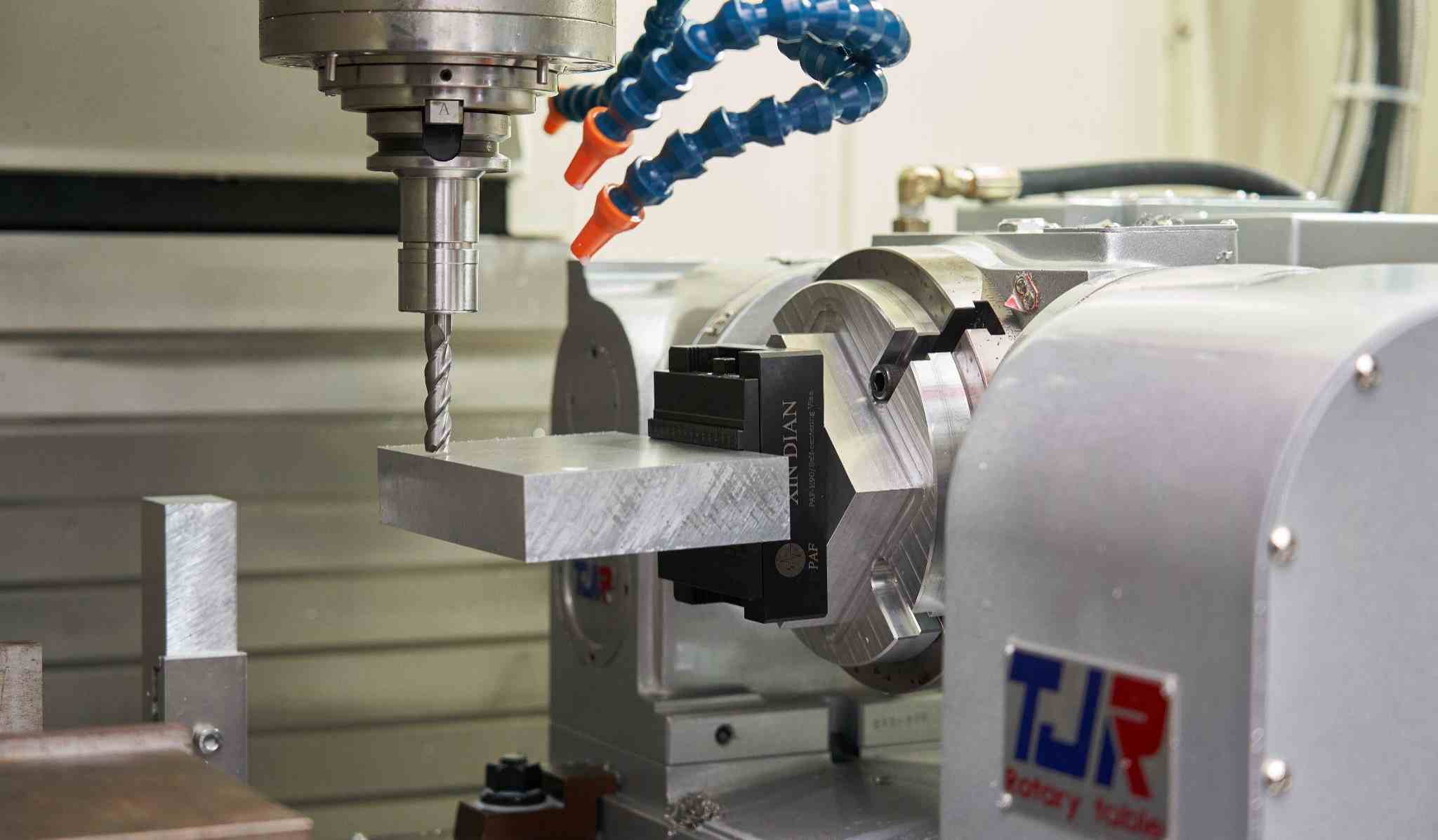
CNC machines at JLCCNC
There’s a common misconception that the machine shop is where the carbon is made. It’s not. By the time a billet of aluminum reaches a CNC mill, 90% of its carbon story has already been written.
Material Selection Before Machining
The most important engineering decision now happens at the CAD stage: material sourcing. Material selection now considers more than machinability. The carbon intensity of aluminum production is part of the decision.
Why Machining Does Not Define Carbon Cost
CNC machining is actually a very clean part of the process compared to the energy-intensive hell of a blast furnace or a smelter. This means your compliance strategy isn't about how you cut the metal; it's about the provenance of the metal itself.
Planning for Compliance Before Production Scale
Don't wait until you're ordering 5,000 units to ask about carbon data. You need to lock in your "carbon-compliant" supply chain during the prototyping phase. If you scale up with a dirty supplier, switching later will be a logistical challenge that could halt your production entirely.
From Compliance to Action: Practical Next Steps
Identify Material-Level Exposure
Run a report on every SKU you import. If it has steel or aluminum, it’s a CBAM risk. Map out the total tonnage of these materials so you know your exact financial exposure.
Audit Existing Suppliers
Send out a simple disclosure request to your current roster. If they can't (or won't) provide traceable material documentation, it’s time to start looking for new partners.
Prepare Data Before Orders Scale
The goal is to have your "Carbon Paperwork" ready before the parts even ship. At JLCCNC, we provide clear material specifications and sourcing transparency from day one. We know that for our clients, the data we provide is just as critical as the precision of the machining.
If you’re ready to see how a transparent supply chain looks in practice, upload your CAD files to JLCCNC. We’ll provide a quote that respects both your tolerances and your need for documented material origin.
FAQ About CBAM Compliance
Q: What materials are covered under CBAM?
CBAM currently covers carbon-intensive materials such as steel, aluminum, cement, fertilizers, electricity, and hydrogen.
Q: How are CBAM costs calculated for manufactured parts?
CBAM costs are calculated based on the embedded CO₂ emissions in the material multiplied by the EU carbon price.
Q: Who is responsible for CBAM reporting?
The EU importer of record is responsible for submitting CBAM emissions reports.
Q: What data is required for CBAM compliance?
Companies must report material origin, production process, embedded emissions, and quantity of imported material.
Q: How can manufacturers reduce CBAM costs?
Manufacturers reduce CBAM costs by sourcing lower-carbon materials and working with suppliers that provide verified emissions data.
Q: What happens if CBAM data is incomplete or missing?
Missing data may force companies to use default emission values, which usually increases compliance costs.
Q: What are CBAM reporting requirements?
Importers must submit quarterly reports detailing embedded emissions for CBAM-covered materials during the transition phase.
Q: Does CBAM apply to finished goods or raw materials?
CBAM mainly targets raw and semi-finished materials, though finished goods containing them can be indirectly affected.
Q: How are CBAM certificates calculated?
CBAM certificates correspond to the total embedded emissions in imported materials and follow the EU carbon market price.
Popular Articles
• Rapid Prototyping Guide: Processes Compared and How to Choose the Right Method for Manufacturing
• CNC Rapid Prototyping: Cost, Lead Time, Design Tips & Machining Service
• How is the Cost of CNC Machining Determined
• CNC machining solutions for DIY project designers
• The true cost of CNC machining services what are the main factors affecting price
Keep Learning
Rapid Prototyping Guide: Processes Compared and How to Choose the Right Method for Manufacturing
What Is Rapid Prototyping (AI generated) Various rapid prototyping parts including 3D printed, CNC machined, and sheet metal components on a workshop table. Rapid prototyping is a manufacturing approach that produces physical parts directly from CAD data within hours or days, enabling engineers to quickly validate design, fit, and function before full-scale production. Modern shops use several methods under this umbrella. 3D printing, CNC machining, and sheet processes all fall into the rapid prototyp......
What Is CNC Precision Machining? Process, Tolerances & Applications
Key Takeaways CNC precision machining focuses on controlling part variation within strict dimensional requirements rather than simply producing smaller features. Many precision machining applications can achieve tolerances around ±0.025 mm when the part design and manufacturing conditions are suitable. The final accuracy of a machined part depends on how well the process is planned, controlled, and verified from design to inspection. CNC precision machining is widely used for parts that require consis......
Additive vs Subtractive Manufacturing: Differences, Advantages, and How to Choose the Right Process
Quick Comparison: Additive vs Subtractive Manufacturing Feature Additive Manufacturing Subtractive Manufacturing How it works Builds parts layer by layer Removes material from solid stock Best for Complex geometry, prototypes, low-volume production Precision parts, tight tolerances, production runs Design freedom Excellent, including internal channels and lattices Limited by cutting tool access Typical accuracy Lower as-built accuracy; post-processing is often required High dimensional accuracy direct......
OEM vs ODM: Key Differences, Benefits, and How to Choose
Key Differences at a Glance Between OEM and ODM Factor OEM Manufacturing ODM Manufacturing Design Origin Buyer provides the product design Supplier provides an existing design Product Control Higher control over specifications and development Less control over the core product design Engineering Input Requires more engineering and product development work Requires less technical involvement Customization Extensive customization options Limited to predefined modification options Intellectual Property I......
Large Part CNC Machining: Processes, Challenges, and Manufacturing Considerations
Key Takeaways About Large Part CNC Machining Large part CNC machining handles components where size itself introduces manufacturing challenges that standard machining doesn't face, thermal effects, deflection, workholding complexity, and dimensional control over long spans. Machine travel is one constraint but not the only one, part weight, spindle access, and workholding capability define what a machine can actually do with large components as much as the stated work envelope. Accuracy on large parts......
Low Volume CNC Machining: Small Batch Production Strategies and Manufacturing Guide
Key Takeaways About Low Volume CNC Machining Low volume CNC machining is typically used for production runs ranging from a single part to roughly 1,000 units, without the tooling investment required by molding or casting processes. Small batch CNC machining is often the most practical choice when designs are still evolving, demand is uncertain, or production quantities are too low to justify dedicated tooling. CNC machining can produce production-grade parts from aluminum, stainless steel, titanium, a......