Copper vs Brass: Complete Engineering Comparison for Material Selection & CNC Machining
17 min
- Copper vs Brass: Quick Comparison Table
- Key Takeaways
- Copper vs Brass: Which Material Should You Choose?
- Copper vs Brass Selection Matrix
- Copper vs Brass: Fundamental Material Differences
- Copper vs Brass Property Comparison Chart
- Copper vs Brass Pros and Cons
- Can Brass Replace Copper?
- Copper T2 vs Brass H59 for CNC Machining
- CNC Machining Cost Comparison: Copper vs Brass
- Copper T2 vs Brass H59: Real-World Engineering Examples
- How to Tell Copper and Brass Apart
- Common Design Considerations for Copper and Brass CNC Parts
- Why Choose JLCCNC for Copper and Brass CNC Machining
- FAQ About Copper vs Brass
If you’re trying to pick between copper and brass for your next CNC project, you’re not alone. These two copper-based alloys are the most widely used for precision parts, but their performance and manufacturing costs differ dramatically. Engineers often compare copper and brass because both materials offer excellent corrosion resistance and are widely used in CNC machining, yet their performance characteristics differ significantly. Below we’ve put together a quick side-by-side comparison for the two most common grades (Copper T2 and Brass H59) to give you an immediate answer:
Copper vs Brass: Quick Comparison Table
Values shown below represent common industrial grades such as Copper T2 and Brass H59.
| Property | Copper T2 | Brass H59 |
|---|---|---|
| Composition | 99.9%+ pure copper, <0.1% trace impurities | 57-60% copper, 39-41% zinc, <1% other elements |
| Density | 8.9 g/cm³ | 8.4-8.7 g/cm³ |
| Hardness | HV 40-50 | HV 100-120 |
| Tensile Strength | 220-250 MPa | 390-440 MPa |
| Electrical Conductivity | 98-100% IACS | 25-30% IACS |
| Thermal Conductivity | 401 W/m·K | 120 W/m·K |
| Machinability | 40% (vs 100% for free-cutting steel) | 90% (vs 100% for free-cutting steel) |
| Corrosion Resistance | Excellent (stable passive oxide layer) | Good (prone to de-zincification in acidic/harsh environments) |
| Relative Cost | 1.2x (vs brass H59) | 1x (baseline) |
| Typical Applications | Busbars, heat sinks, high-current connectors, heat exchangers | Valve bodies, mechanical wear parts, plumbing fittings, decorative hardware |
Key Takeaways
· Copper is primarily selected for functional performance (electrical and thermal conductivity), while brass is selected for manufacturability and mechanical durability.
· In CNC production, brass significantly reduces total manufacturing cost due to faster machining speeds and lower tool wear.
· Copper performs better in environments where heat dissipation or electrical efficiency directly impacts system reliability.
· Brass provides a better strength-to-weight and wear-resistance balance for mechanical and structural components.
· Material selection is driven more by production constraints (cost, cycle time, tooling) than by single-property comparison.
Copper vs Brass: Which Material Should You Choose?
The choice between copper and brass depends on a clear hierarchy of engineering constraints: functional performance requirements first, then manufacturability, then cost efficiency.
Choose Copper When Conductivity Is Critical
Use copper when electrical or thermal performance directly defines system behavior.
Typical cases:
- High-current busbars
- Power distribution systems
- Heat sinks and thermal interfaces
- Signal integrity-sensitive components
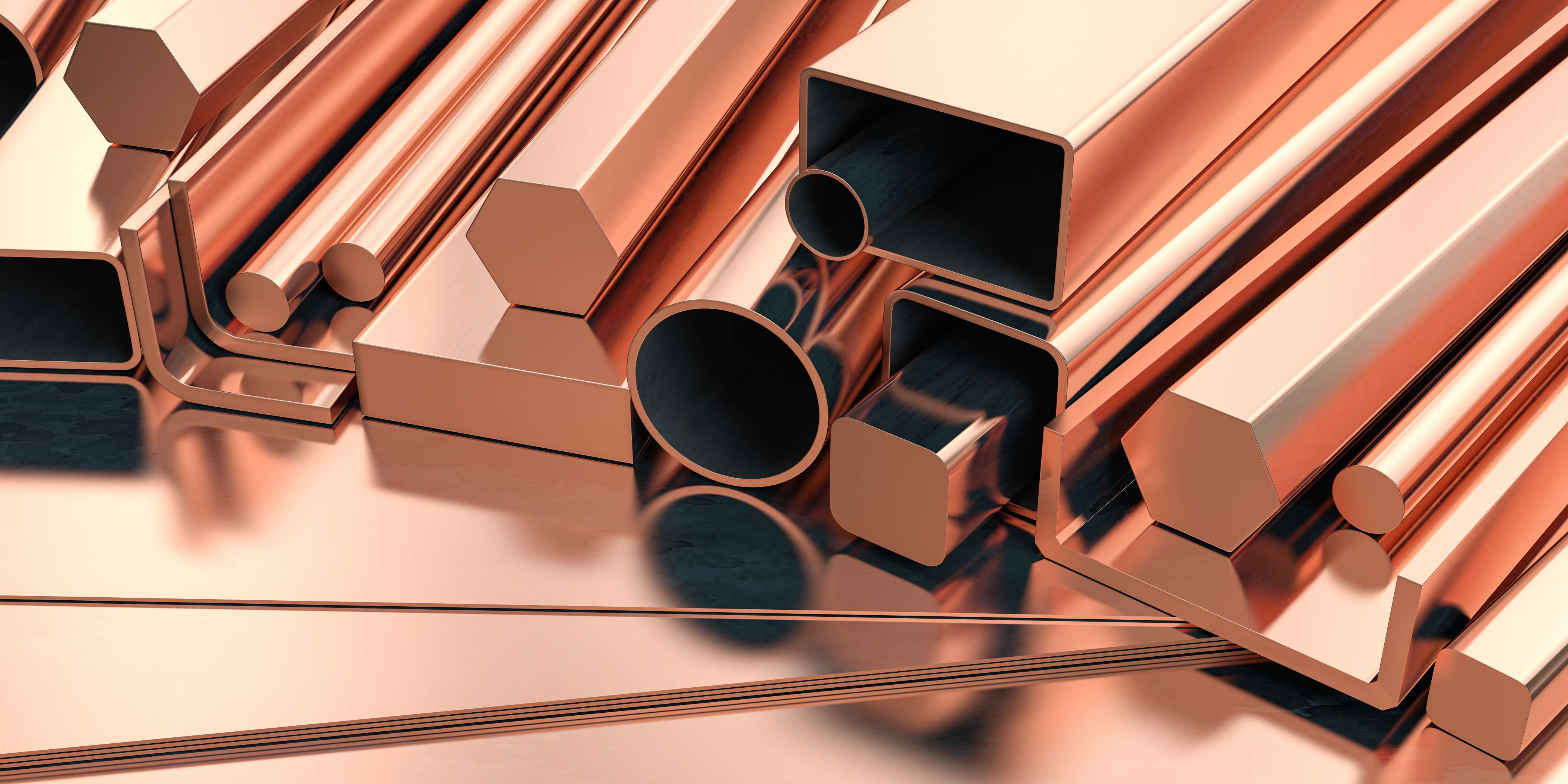
In these applications, conductivity loss cannot be compensated by design, making copper the only viable engineering option.
Choose Brass When Machinability Matters Most
Use brass when production efficiency, cycle time, and tool life dominate design constraints.
Typical cases:
- High-volume CNC parts
- Complex geometries with tight deadlines
- Cost-sensitive prototypes
- Precision mechanical housings
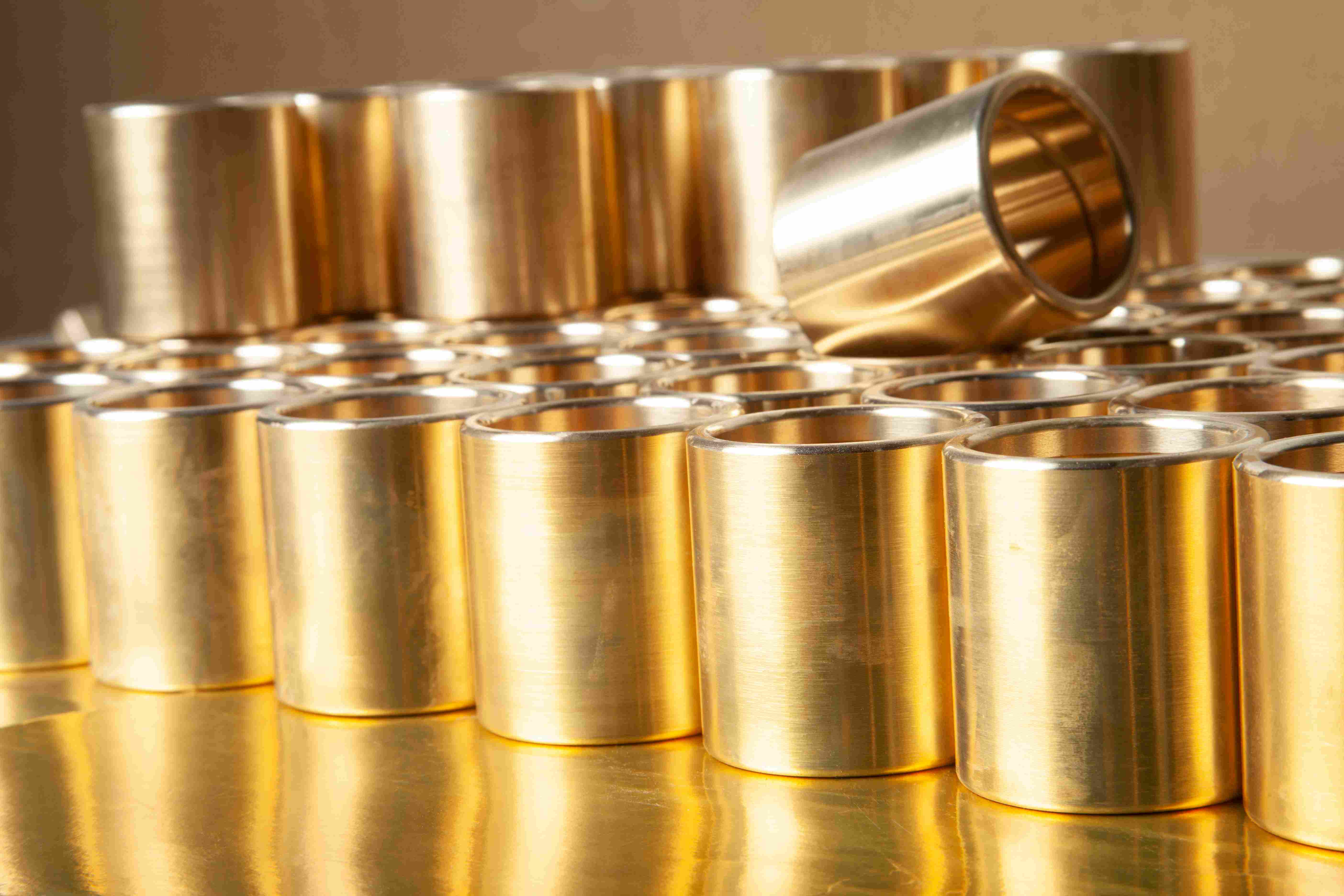
Brass reduces machining time and tool wear, directly lowering per-part manufacturing cost.
Choose Brass for Strength and Wear Resistance
Brass is preferred when mechanical durability is more important than conductivity.
Typical cases:
- Gears and bushings
- Valve components
- Fasteners under repeated load
- Sliding or friction interfaces
Its higher hardness improves wear life in dynamic systems.
Choose Copper for Thermal Management Applications
Copper is required where heat transfer efficiency determines product reliability.
Typical cases:
- High-power electronics cooling
- EV thermal systems
- Heat exchangers
- Laser cooling plates
Thermal conductivity differences translate directly into system performance limits.
Choose Brass for Cost-Efficient CNC Production
When functional requirements are non-critical, brass provides superior total cost efficiency.
It reduces:
- machining time
- tool wear cost
- scrap rate
Material Selection Checklist for CNC Projects
Use this checklist only as a validation tool (not a decision engine):
- Is conductivity a primary functional requirement?
- Is wear resistance more important than conductivity?
- Is production volume above prototype scale?
- Is cost per part tightly constrained?
- Are tight tolerances required at scale?
Copper vs Brass Selection Matrix
| Requirement | Copper T2 | Brass H59 |
|---|---|---|
| Electrical Conductivity | ★★★★★ | ★ |
| Thermal Conductivity | ★★★★★ | ★★ |
| Machinability | ★★ | ★★★★★ |
| Wear Resistance | ★★ | ★★★★ |
| Corrosion Resistance | ★★★★★ | ★★★ |
| Cost Efficiency | ★★ | ★★★★★ |
| Decorative Appearance | ★★★ | ★★★★★ |
Copper vs Brass: Fundamental Material Differences
The performance gaps between copper and brass all trace back to their core chemical and structural differences:
Chemical Composition and Metallurgical Structure
Copper T2 is a nearly pure elemental metal, with a uniform face-centered cubic (FCC) structure that gives it exceptional ductility and electron flow. Brass H59 is an alloy of copper and zinc, with a mix of soft α-phase copper and hard β-phase intermetallic compounds that boost strength and create natural chip-breaking properties during machining.
Appearance and Color Identification
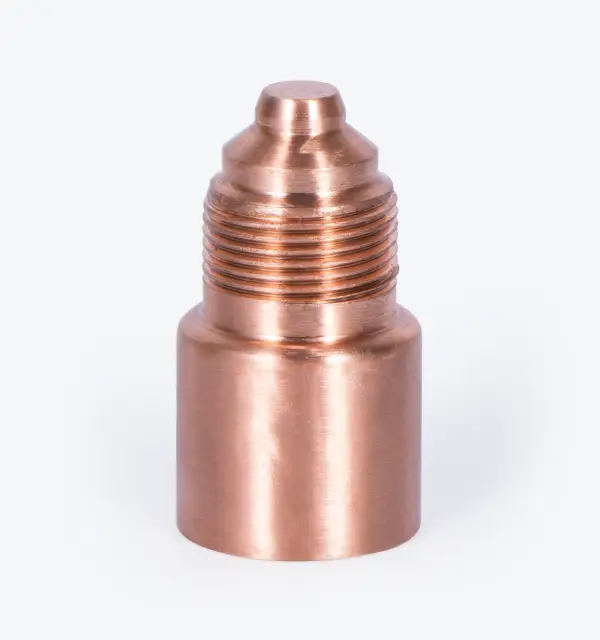
Pure copper has a distinct reddish-purple (rose) hue in its unoxidized state, while brass has a bright golden-yellow color that varies slightly based on zinc content. As they oxidize, copper develops a bright teal patina, while brass develops a darker, duller green patina with faint white zinc oxide deposits.
Why Copper and Brass Behave Differently in Manufacturing
The soft, ductile nature of pure copper makes it prone to sticking to cutting tools during machining, creating long, tangled chips that damage surface finish and slow production. The zinc content in brass disrupts this ductility, creating small, brittle chips that clear easily from the cutting zone, reducing tool wear and speeding up production.
Copper vs Brass Property Comparison Chart
We’ve broken down all critical performance properties for side-by-side comparison to help you make an informed choice:
Mechanical Properties Comparison
- Density and Weight: Copper is approximately 5–6% denser than brass, meaning an identical copper part will generally weigh slightly more than its brass equivalent.
- Hardness: Brass H59 is 2-2.5x harder than copper T2, so it resists dents, scratches, and deformation far better under load.
- Tensile and yield strength: Brass has nearly double the tensile strength of copper, meaning it can withstand twice as much pulling force before breaking. Its yield strength is also 1.8x higher, so it retains its shape under repeated stress better than soft copper.
Electrical Conductivity Comparison
Copper has the second-highest electrical conductivity of any commercially available metal (second only to silver), making it the global standard for electrical transmission components. Brass only has 25-30% of copper’s conductivity, so it’s only suitable for low-current electrical applications like small terminals and fuse holders.
Thermal Conductivity Comparison
Copper’s 401 W/m·K thermal conductivity makes it 3x more effective at transferring heat than brass. This makes it the only choice for high-power heat sinks, cold plates, and heat exchangers where efficient heat dissipation is critical to prevent component failure.
Corrosion Resistance Comparison
Pure copper forms a stable, self-healing oxide layer when exposed to air and moisture, providing long-term protection against further corrosion in many environments, including marine and high-humidity conditions. Brass is prone to de-zincification in acidic or high-chloride environments, where zinc leaches out of the alloy, leaving a porous, weak copper structure that fails prematurely. Adding corrosion inhibitors or passivation treatments can mitigate this risk for brass parts used in harsh environments.
Manufacturing Characteristics Comparison
- Machinability: Brass has a 90% machinability rating (vs 40% for copper), meaning it can be cut at 2x higher feed rates with far less tool wear.
- Wear resistance: Brass’s higher hardness gives it 3x better wear resistance than copper, making it ideal for moving parts that experience friction.
- Formability: Copper is far more ductile than brass, so it’s better suited for cold forming operations like stamping, bending, and drawing.
Copper vs Brass Pros and Cons
While copper and brass share many similarities, each material offers distinct advantages and limitations depending on the application. Understanding these trade-offs can help engineers select the most suitable material before moving into detailed design and manufacturing decisions.
| Material | Advantages | Disadvantages |
|---|---|---|
| Copper | Excellent electrical conductivity; Excellent thermal conductivity; Superior corrosion resistance; High ductility | Higher material cost; Difficult machining; Lower wear resistance; Heavier weight |
| Brass | Excellent machinability; Higher strength; Better wear resistance; Lower manufacturing cost | Lower conductivity; Potential dezincification; Less ductile; Thermal performance limitations |
Copper Advantages
Copper is widely valued for its exceptional electrical and thermal conductivity. It is the preferred material for power transmission, electrical connectors, busbars, heat exchangers, and thermal management systems where efficiency directly impacts performance.
Additional benefits include:
- Excellent corrosion resistance in many indoor and outdoor environments
- High ductility and formability for bending, stamping, and forming operations
- Reliable long-term performance in electrical and thermal applications
- Good antimicrobial properties for specialized medical and architectural uses
Copper Disadvantages
Despite its performance advantages, copper can present manufacturing challenges.
Common drawbacks include:
- Higher raw material cost than many brass alloys
- Lower machinability, resulting in longer cycle times and increased tool wear
- Softer material that is more susceptible to scratches and deformation
- Heavier than brass for the same component volume
For CNC machining projects, these factors can significantly increase overall production cost.
Brass Advantages
Brass combines good mechanical strength with excellent machinability, making it one of the most efficient materials for CNC manufacturing.
Pros
- Faster machining speeds and reduced tool wear
- Higher hardness and wear resistance than pure copper
- Attractive appearance suitable for decorative applications
- Lower overall manufacturing cost in many production scenarios
- Good dimensional stability for precision-machined components
Because of these characteristics, brass is commonly used for valves, fittings, gears, bushings, fasteners, and mechanical assemblies.
Brass Disadvantages
The primary limitation of brass is its reduced electrical and thermal conductivity compared with copper.
Cons
- Lower conductivity may limit its use in high-current electrical systems
- Susceptibility to dezincification in certain corrosive environments
- Reduced ductility compared with pure copper
- Performance can vary depending on zinc content and alloy composition
When conductivity or heat transfer is a critical design requirement, copper is usually the more appropriate engineering choice.
Can Brass Replace Copper?
In some applications, brass can successfully replace copper and reduce manufacturing costs. Because brass is easier to machine, stronger, and generally less expensive, it is often selected for connector housings, valve components, fittings, decorative hardware, and other parts where electrical or thermal conductivity is not critical.
However, brass is not a direct substitute for copper in every situation. Copper offers significantly higher electrical and thermal conductivity, making it the preferred material for busbars, power distribution systems, heat exchangers, thermal management components, and other performance-critical applications.
When evaluating whether brass can replace copper, engineers should consider:
- Electrical conductivity requirements
- Thermal performance requirements
- Mechanical strength requirements
- Corrosion environment
- Manufacturing cost targets
In many mechanical applications, brass provides a practical and cost-effective alternative. In electrical and thermal systems, copper often remains the better engineering choice.
Copper T2 vs Brass H59 for CNC Machining
For CNC production, machinability differences between copper and brass directly determine manufacturing cost, cycle time, and part quality.
Machinability Comparison
Brass is significantly easier to machine due to its chip-breaking behavior and lower tool adhesion tendency.
- Brass allows higher cutting speeds and feed rates
- Copper tends to produce continuous chips that require active chip control
- Brass is more stable for automated high-volume production
Tool Wear and Production Efficiency
Tool wear is one of the largest hidden cost drivers in copper machining.
- Copper increases tool wear rate significantly due to material adhesion
- Brass extends tool life and reduces tool replacement frequency
- This results in lower downtime and higher production stability
Surface Finish and Machining Quality
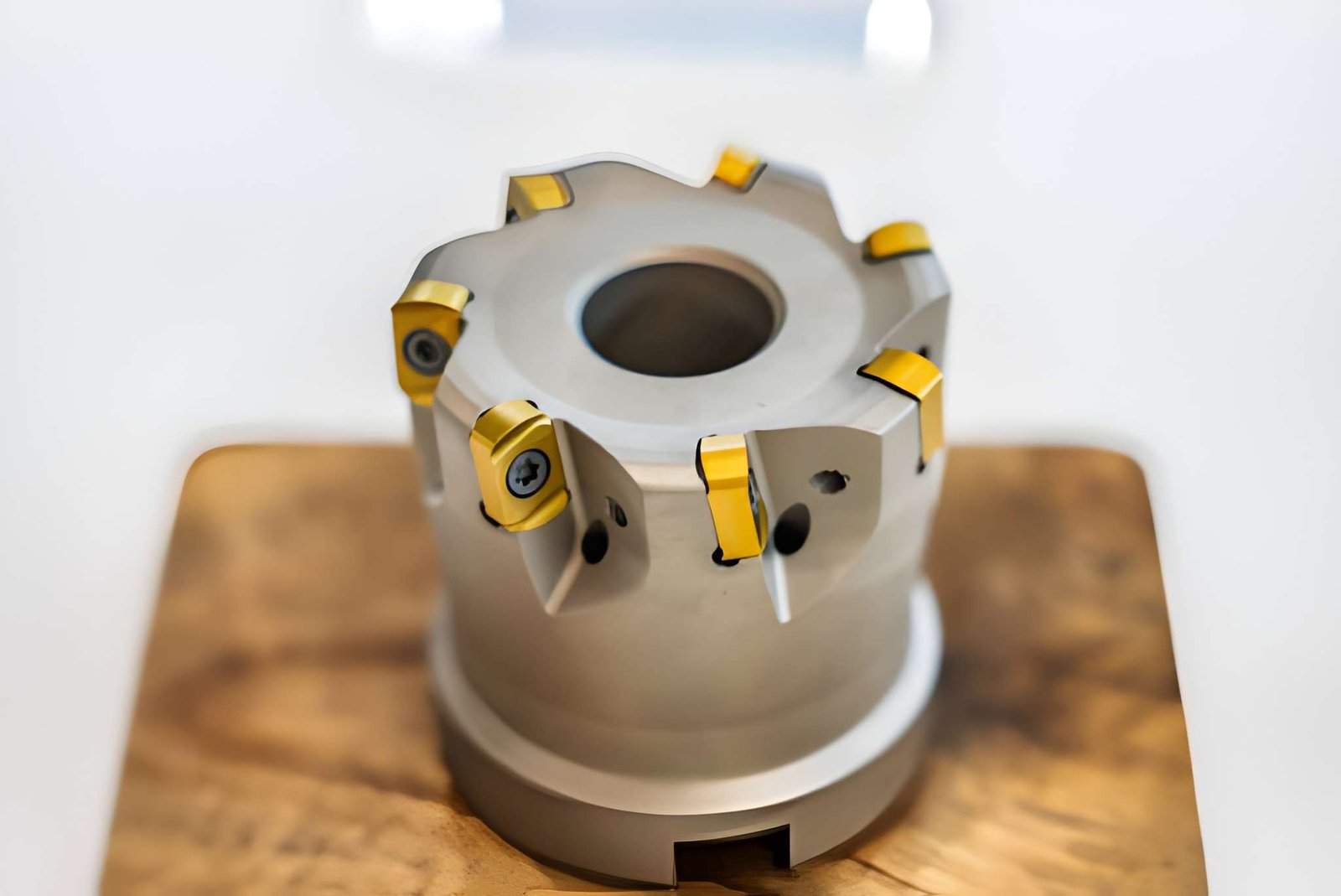
Brass achieves stable as-machined surface quality with minimal post-processing.
- Brass: consistent finish, low burr formation
- Copper: higher tendency for surface smearing and burrs
- Copper often requires secondary finishing for precision parts
Manufacturing Cost Impact
Although raw material cost differences are moderate, machining efficiency creates a large final cost gap.
Copper parts typically cost significantly more due to:
- longer cycle time
- higher tool consumption
- increased scrap rate
Brass provides better overall cost efficiency for most CNC production scenarios.
CNC Machining Cost Comparison: Copper vs Brass
Cost is often the top priority for production projects, so we’ve broken down all cost factors for both materials:
Raw Material Cost Differences
Pure copper T2 is typically 20% more expensive per kg than brass H59, due to its higher purity and refining costs. For large, heavy parts, this raw material cost gap can make up 60% of the total cost difference between the two materials.
Machining Time Requirements
In practical CNC machining, brass generally allows for higher cutting speeds and feed rates than pure copper, often resulting in shorter cycle times and improved production efficiency. For complex parts with many features, this time gap can add up to hundreds of dollars in production costs for medium to large batches.
Tool Consumption and Wear Costs
Copper typically generates higher tooling costs because its ductility promotes built-up edge formation and accelerates tool wear compared with brass. For high-volume runs, this can add 10-15% to total production costs for copper parts.
Scrap and Yield Considerations
Copper’s tendency to deform and develop built-up edge leads to a 5-10% higher scrap rate than brass, especially for tight-tolerance parts. This further increases total production costs for copper parts.
Total Manufacturing Cost Comparison
For identical part designs, finished copper parts are often more expensive than comparable brass components due to both higher material cost and lower machining efficiency. The actual difference varies depending on geometry, quantity, and tolerance requirements. The only exception is very small, simple parts where raw material costs make up a small portion of total production costs.
Which Material Offers Better Manufacturing Value?
For projects where conductivity or thermal performance is not a requirement, brass often provides better manufacturing value because of lower machining costs, faster cycle times, and longer tool life.
Copper T2 vs Brass H59: Real-World Engineering Examples
Typical examples include:
EV Busbars
Battery busbars and power distribution systems commonly use copper because electrical resistance directly affects heat generation and energy efficiency.
USB Connector Shells
Connector housings and low-current hardware are often manufactured from brass because conductivity requirements are lower while machining efficiency is significantly higher.
Plumbing Valve Bodies and Fittings
Brass H59 is widely used for residential plumbing valve bodies because it provides adequate strength, corrosion resistance, and good machining efficiency.
Laser Cooling
Cold plates and liquid-cooled thermal management systems frequently use copper due to its superior thermal conductivity.
Precision CNC Mechanical Parts
Robotics gear assemblies often use brass H59 because its wear resistance and machining stability help maintain tight tolerances while reducing secondary finishing requirements.
How to Tell Copper and Brass Apart
If you have unlabeled scrap or parts, use these simple tests to identify the material:
Visual Appearance Test
Unoxidized copper has a distinct reddish-purple hue, while unoxidized brass has a bright golden-yellow color. If the part is oxidized, copper has a bright teal patina, while brass has a darker, duller green patina with faint white deposits.
Density and Weight Comparison
For parts of identical size, copper will be 5-6% heavier than brass. If you have a known sample of either material, you can weigh the unknown part to confirm its identity.
Magnet Test Limitations
Neither copper nor brass is magnetic, so a magnet test will not distinguish between the two. This is a common mistake many new engineers make, so avoid relying on magnet testing for copper alloy identification.
Workshop Identification Methods
For definitive identification, you can use a hardness tester (brass is significantly harder than copper) or an XRF analyzer to measure the exact chemical composition of the part.
Common Design Considerations for Copper and Brass CNC Parts
Optimize your part design to reduce costs and improve manufacturability with these guidelines:
Minimum Wall Thickness Recommendations
- Copper T2: 0.5 mm minimum for short walls, 1.0 mm minimum for walls longer than 10 mm to prevent deformation during machining
- Brass H59: 0.3 mm minimum for short walls, 0.5 mm minimum for longer walls
Hole and Thread Design Guidelines
- Copper: Threads should have a minimum of 3 full engagement threads, and hole diameter should be no smaller than 0.5 mm to prevent tool breakage
- Brass: Threads can typically use a minimum of 2 full engagement threads.
- Minimum hole size depends on part geometry, hole depth, tooling, and machine capability. For most standard CNC machining applications, hole diameters above 0.5 mm are generally recommended.
Internal Corner Radius Recommendations
- Copper: Minimum internal corner radius of 0.2 mm to reduce tool wear and prevent part deformation
- Brass: Minimum internal corner radius of 0.1 mm for most applications
Surface Finish Requirements
- Copper: As-machined finish is typically Ra 1.6-3.2μm; polishing is required for smoother finishes, which adds 20-30% to part cost
- Brass: As-machined finish is typically Ra 0.8-1.6μm; polishing to Ra 0.4μm adds only 10-15% to part cost
Tolerance Considerations
- Copper: Tightest achievable tolerance is ±0.05 mm for most features; tighter tolerances will require secondary grinding operations, adding significant cost
- Brass: Tightest achievable tolerance is ±0.02 mm for most features, with no secondary operations required
Design Tips to Reduce Machining Cost
- Avoid unnecessary thin walls and small features that require specialized tooling
- Use standard drill and tap sizes to eliminate custom tool costs
- Minimize polishing requirements unless explicitly needed for performance or aesthetic reasons
If you need help optimizing your copper or brass part design for lower manufacturing costs, JLCCNC's DFM review helps identify features that increase machining costs before production begins.
Why Choose JLCCNC for Copper and Brass CNC Machining
After selecting the right material, the next challenge is finding a manufacturing partner that can consistently machine copper and brass while maintaining cost, lead time, and dimensional accuracy.
When you need reliable, cost-effective copper or brass CNC parts, JLCCNC is the ideal partner. At JLCCNC, copper and brass parts are routinely produced using 3-axis and 5-axis CNC machining centers with support for prototypes and low-volume production.

Precision CNC Machining Service
Professional manufacturing, fast turnaround, and quality assurance.
Copper T2 and Brass H59 Machining Capabilities
We keep 1000+ kg of Copper T2 and Brass H59 in stock at all times, so we can start production on your order the same day we receive your design files.
Prototype and Low-Volume Production Support
We offer no-minimum order quantities, so you can order 1 prototype or 10,000 production parts at the same competitive pricing.
Fast Turnaround and Global Delivery
We offer fast-track production with delivery in as little as 3 days for custom parts, and we ship globally to 180+ countries with tracked, insured shipping for all orders.
FAQ About Copper vs Brass
Q: Which is better, copper or brass?
There is no universal “better” material. Copper is better for electrical and thermal applications, while brass is better for mechanical, high-wear, and cost-sensitive applications.
Q: Is copper stronger than brass?
No, brass is nearly twice as strong as pure copper, with a tensile strength of 390-440 MPa vs 220-250 MPa for copper T2.
Q: Is brass heavier than copper?
No, copper is 5-6% denser than brass, so identical volumes of copper will be heavier than brass.
Q: Why is brass easier to machine than copper?
Brass’s zinc content creates natural chip-breaking properties, eliminating the built-up edge and chip tangling issues common with soft, ductile pure copper. This allows for faster cutting speeds, lower tool wear, and fewer production defects.
Q: Can brass replace copper in electrical applications?
Brass can replace copper in certain low-power electrical components where conductivity is not the primary design requirement. However, for high-current or high-efficiency electrical systems, copper remains the preferred choice.
Q: Which is more expensive, copper or brass?
Copper is typically more expensive than brass, although actual pricing fluctuates with commodity markets, alloy grade, and purchasing volume.
Q: Which material is better for CNC machining?
In most cases brass is more cost-effective for CNC machining, but if you have specific conductivity or thermal performance requirements, copper is the better choice.
Q: Does brass corrode faster than copper?
Yes, brass is prone to de-zincification in acidic and high-chloride environments, so it corrodes faster than copper in harsh conditions. It can be passivated or coated to match copper’s corrosion resistance.
Q: Can copper and brass be used together in assemblies?
Yes, but we recommend using a dielectric grease between the two materials to prevent galvanic corrosion in high-humidity or outdoor environments.
Keep Learning
Composite Material Guide: Types, Manufacturing Processes, Applications & Selection
Composite materials are now widely used in aerospace and automotive structures because they combine high strength with relatively low weight. Unlike traditional metals, composite materials can be engineered by combining different reinforcement and matrix materials to achieve specific mechanical, thermal, or chemical properties. As manufacturing technologies have matured, composites have become practical for both high-performance and commercial products. In this guide, I'll break down everything you ne......
Copper vs Brass: Complete Engineering Comparison for Material Selection & CNC Machining
If you’re trying to pick between copper and brass for your next CNC project, you’re not alone. These two copper-based alloys are the most widely used for precision parts, but their performance and manufacturing costs differ dramatically. Engineers often compare copper and brass because both materials offer excellent corrosion resistance and are widely used in CNC machining, yet their performance characteristics differ significantly. Below we’ve put together a quick side-by-side comparison for the two ......
How to Choose the Materials in Sheet Metal Fabrication
In sheet metal fabrication, a wide range of metal materials are available, including stainless steel, carbon steel, copper, cold-rolled steel, aluminum, galvanized steel, alloy steel, and hot-rolled steel. The abundance of options can make it challenging to select the most suitable material for a specific application. Therefore, choosing the right sheet metal material is essential for successful product design and fabrication. The wrong material can lead to performance issues, faster corrosion, or hig......
Most Cost-Effective Metals for CNC Machining: A Comparative Guide
When selecting materials for CNC machining, engineers and purchasers face a constant balancing act between performance, machinability, and cost. While aluminum, stainless steel, brass, copper, and titanium are common choices, each comes with trade-offs that affect the overall value of a part—not just in terms of raw material price, but also machine time, tool wear, and long-term durability. This guide dives deeper into the comparative cost-effectiveness of popular metals used in CNC machining, helping......
Metal material and plastic material performance comparison
In modern manufacturing, the choice of materials is critical to product performance, production costs and manufacturing processes. Metal materials and plastic materials are the two main categories, each with its own unique properties and application scenarios. How to reasonably choose materials not only relates to product quality, but also affects manufacturing efficiency and economy. In this paper, we will comprehensively analyze the performance comparison of metal and plastic materials, to provide e......
CNC Machining Materials: A Comprehensive Guide
In modern manufacturing, CNC machining technology has become vital due to its ability to accurately manufacture complex parts. Choosing the right material is critical to ensuring the success of your CNC machining project. This article will provide you with a comprehensive guide to CNC machining materials, helping you to understand the properties of different materials and how to choose the best CNC machining service provider for your project, such as JLCCNC. Introduction to CNC Machining CNC, or Compu......