Expanded Metal Sheet Guide: Sizes, Applications & Manufacturing Insights
11 min
- What Are Expanded Metal Sheets?
- Expanded Metal Sheet Sizes and Specifications
- Materials and Surface Treatments
- Manufacturing Process of Expanded Metal Sheets
- Factors Affecting Expanded Metal Sheet Quality
- Applications of Expanded Metal Sheets
- Advantages and Limitations of Expanded Metal Sheets
- Choosing the Right Expanded Metal Sheet for Your Project
- FAQ: Expanded Metal Sheets
(AI-generated)
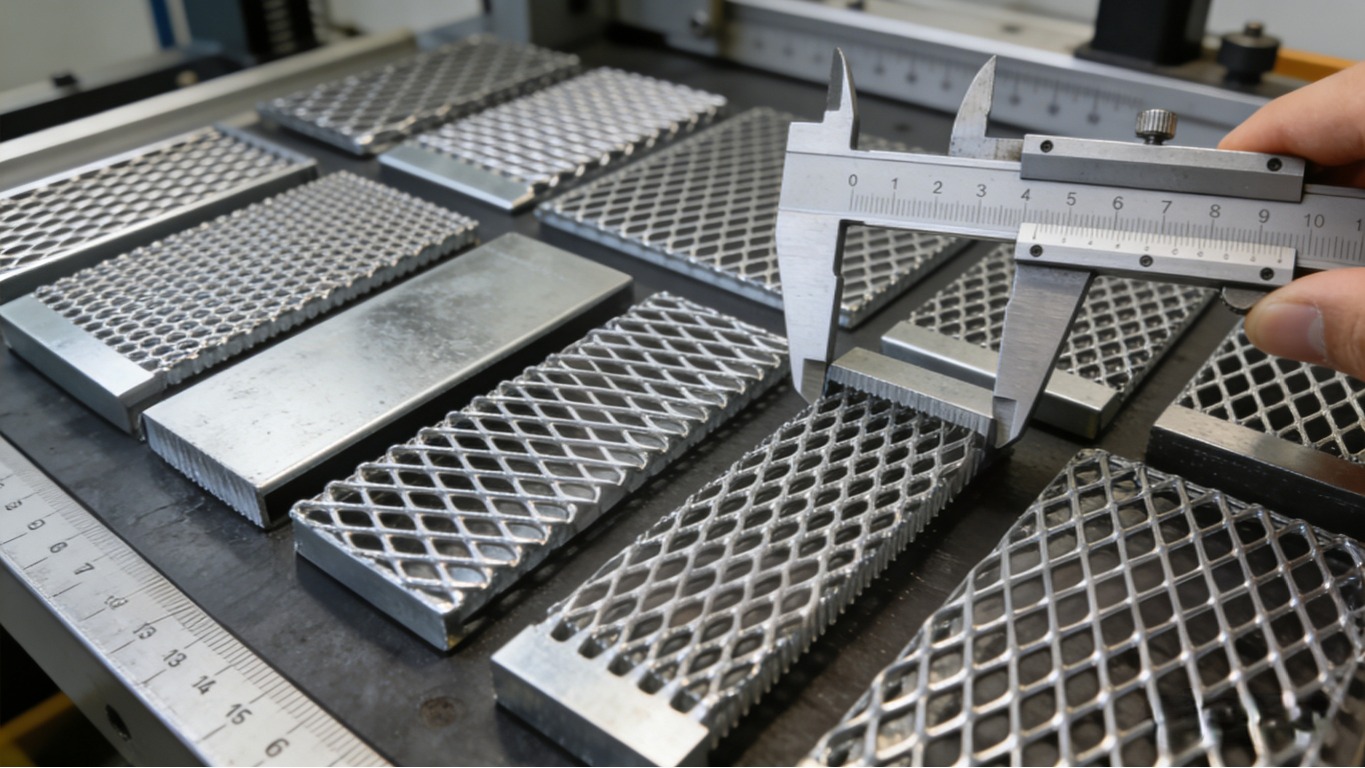
Expanded metal sheets are a foundational material across modern manufacturing, construction, architecture, transportation, and energy industries. They are created by mechanically slitting and stretching a solid metal sheet into a uniform mesh, rather than punching holes, welding wires, or weaving strands. This unique process preserves material continuity while creating openings that reduce weight, improve airflow, and enhance functional performance.
Unlike perforated, welded, or woven mesh, expanded metal sheets maintain continuous strands, ensuring high durability, safety, and long-term reliability. They are widely used in industrial platforms, architectural facades, safety enclosures, and load-bearing applications. This guide provides a technically rigorous, search-optimized overview for engineers, designers, procurement specialists, and decision-makers.
What Are Expanded Metal Sheets?
Definition and Key Characteristics
An expanded metal sheet is manufactured from a single, solid sheet of metal that is slit and stretched simultaneously using a precision expansion process. The slitting pattern and stretching force create a repeating arrangement of openings—most commonly diamond-shaped—while maintaining continuous metal strands throughout the panel. Because the material is not cut into separate pieces or joined together, the final expanded metal sheet retains excellent structural integrity.
Key characteristics of expanded metal sheets include:
One-piece construction with no welds or joints
• High strength-to-weight ratio compared with a solid sheet
• Uniform load distribution across continuous strands
• Excellent airflow, drainage, and light transmission
• Anti-slip properties in raised expanded metal configurations
•Efficient use of raw material with minimal waste
Expanded metal sheets are typically supplied in two primary forms. Raised expanded metal retains the three-dimensional profile created during expansion, offering enhanced rigidity and slip resistance. Flattened expanded metal is passed through rollers after expansion to produce a smoother, more uniform surface, making it suitable for architectural, enclosure, and decorative applications.
Expanded Metal vs Expanded Steel Sheet
The term expanded metal describes a broad category of expanded mesh products manufactured from various metals, including carbon steel, stainless steel, aluminum, copper, brass, and specialty alloys. Expanded steel sheet refers specifically to expanded metal sheets made from carbon steel or stainless steel substrates.
Expanded steel sheets are commonly selected for applications that demand:
• High mechanical strength and stiffness
• Superior load-bearing capacity
• Impact and abrasion resistance
• Cost efficiency in large-scale industrial installations
Carbon steel expanded metal sheets are widely used in platforms, walkways, machinery guards, and infrastructure projects. Stainless steel expanded metal sheets provide additional corrosion resistance, making them suitable for chemical processing, food production, marine environments, and outdoor architectural use. While steel generally offers higher strength than aluminum expanded metal, it often requires surface treatments to ensure long-term corrosion protection.
Expanded Metal vs Other Mesh Types (Perforated, Welded, Woven)
| Mesh Type | Process | Key Difference |
| Expanded | Slit & stretch | Continuous strands, high strength, minimal material loss |
| Perforated | Punched holes | Removes material, can reduce strength, more waste |
| Welded wire | Intersecting wires welded | Potential weak points at welds |
| Woven wire | Wires woven | Flexible, good for filtration, limited load capacity |
Because expanded metal preserves continuous strands, it is preferred for safety-critical and load-bearing applications.
Expanded Metal Sheet Sizes and Specifications
Standard Sheet Dimensions (Metric and Imperial)
Expanded metal sheet sizes vary depending on manufacturing practices, regional standards, and intended applications. Commonly available standard sheet dimensions include:
• Metric sizes: 1000 × 2000 mm, 1200 × 2400 mm, 1500 × 3000 mm
• Imperial sizes: 4 × 8 ft, 5 × 10 ft
Sheets may also be supplied in coils for further processing. Base metal thickness typically ranges from approximately 0.5 mm for lightweight architectural applications up to 6.0 mm or more for heavy-duty industrial flooring, platforms, and structural components.
Geometric Parameters
The performance of an expanded metal sheet is determined by several interrelated geometric parameters:
Base metal thickness: 0.5 mm (lightweight) to 6 mm+ (industrial use)
Mesh opening: Defined by LWD (long way of diamond) and SWD (short way of diamond)
Strand width: Determines rigidity, fatigue resistance, and mechanical performance
Larger mesh openings improve airflow, drainage, and visibility, while smaller openings increase load capacity and safety by reducing foot or object penetration. Strand width plays a critical role in determining rigidity, fatigue resistance, and overall mechanical performance.
Custom Sizes and Regional Standards (North America, Europe, Asia)
Many engineering and architectural projects require custom expanded metal sheet sizes, patterns, or tolerances. Regional standards influence dimensional conventions and quality requirements:
- North America: ASTM standards dominate, with imperial dimensions widely used
- Europe: EN standards emphasize metric dimensions and defined tolerances
- Asia: JIS and GB standards support a wide range of industrial specifications
Note: JLCCNC currently does not produce expanded metal sheets but provides CNC sheet metal services including laser cutting, bending, forming, welding, and surface finishing for steel, aluminum, and other materials.
Materials and Surface Treatments
(AI-generated)
Common Materials (Steel, Aluminum, Copper, and Alloys)
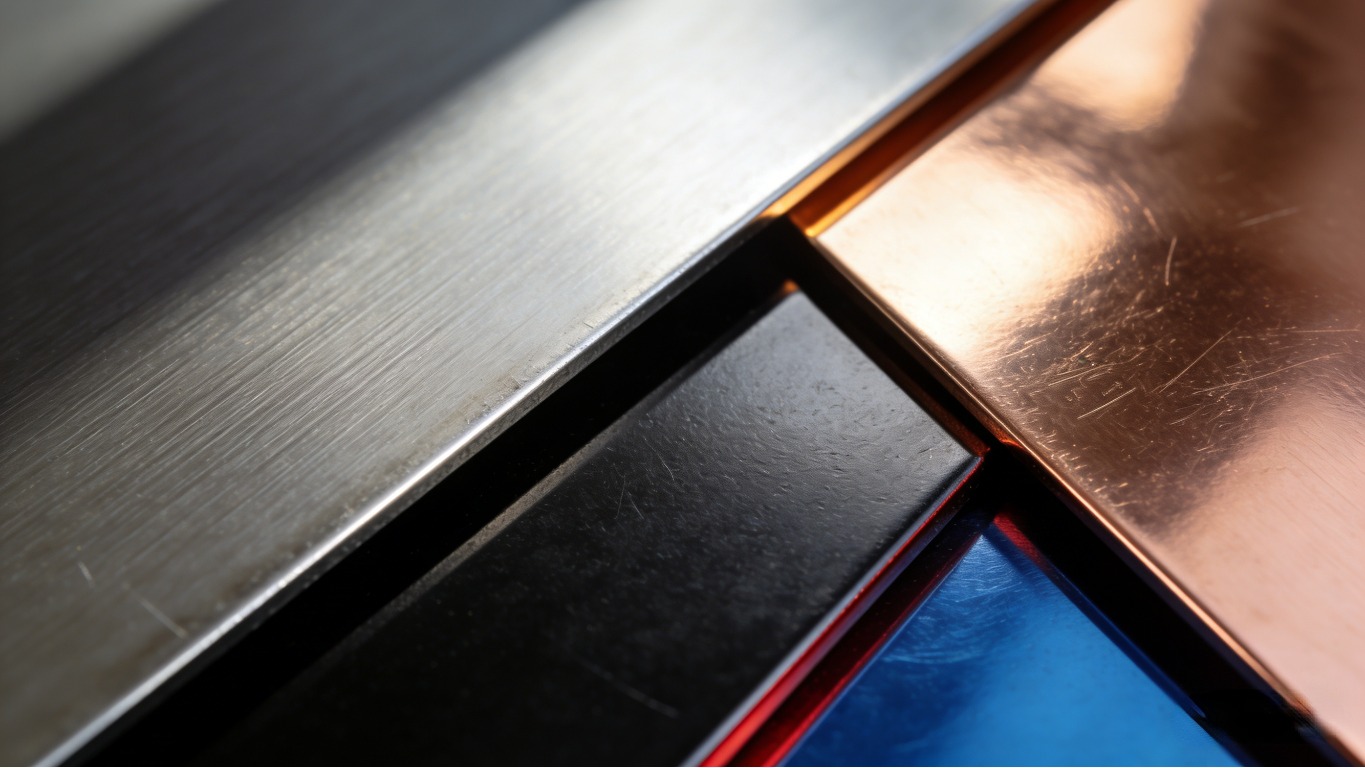
Expanded metal sheets can be produced from a wide variety of metals, each offering distinct performance characteristics:
•
Carbon steel expanded metal: High strength, good formability, and cost efficiency for industrial applications
• Stainless steel expanded metal: Excellent corrosion resistance and hygiene performance for harsh or regulated environments
• Aluminum expanded metal: Lightweight, corrosion resistant, and suitable for architectural and transportation use
• Copper and brass expanded metal: Decorative appearance, electrical conductivity, and antimicrobial properties
• Specialty alloys: Heat-resistant or chemically resistant alloys for extreme operating conditions
Material selection should account for mechanical loads, environmental exposure, regulatory requirements, and total lifecycle cost.
Surface Treatments and Finishing Options
Surface treatments enhance durability, corrosion resistance, and appearance. Common finishing options for expanded metal sheets include:
• Hot-dip galvanizing
• Electro-galvanizing
• Powder coating
• Anodizing for aluminum expanded metal
• Mechanical polishing or brushing
• Chemical passivation for stainless steel
For architectural projects, surface finish plays a critical role in visual quality, color consistency, and long-term weathering performance.
Corrosion Resistance and Environmental Performance
Environmental factors such as humidity, salt exposure, chemical contact, and temperature variation significantly influence expanded metal sheet performance. Stainless steel and aluminum expanded metal sheets provide excellent corrosion resistance in outdoor and marine environments, while properly coated steel expanded metal offers a balanced solution for most industrial settings.
Flattened vs Raised Expanded Metal
Expanded metal sheets are typically supplied in two primary forms: raised expanded metal and flattened expanded metal. Raised expanded metal retains the three-dimensional profile created during expansion, providing enhanced rigidity, higher load-bearing capacity, and superior anti-slip properties, making it ideal for industrial walkways, stair treads, machinery guards, and safety platforms. Flattened expanded metal is passed through rollers after expansion to produce a smoother, more uniform surface, improving aesthetic appeal, facilitating painting or coating, and making it suitable for architectural panels, enclosures, and decorative applications. The choice between raised and flattened forms depends on whether structural performance or visual finish is the priority.
Material selection further influences performance. Common materials include carbon steel, stainless steel, aluminum, copper, brass, and specialty alloys, each offering distinct characteristics for different applications. To provide a clear comparison of form and material performance, the following table summarizes key properties and typical applications:
| Feature / Material | Raised Expanded Metal | Flattened Expanded Metal | Carbon Steel | Stainless Steel | Aluminum | Copper/Brass |
| Profile | 3D, textured | Flat, smooth | Solid | Solid | Solid | Solid |
| Rigidity & Load Capacity | High | Moderate | High | Moderate-High | Moderate | Low-Moderate |
| Anti-Slip / Safety | Excellent | Low | Moderate | Moderate | Low | Low |
| Corrosion Resistance | Depends on material & coating | Depends on material & coating | Low (requires coating) | High | High | High |
| Aesthetic / Finish | Industrial look | Clean, decorative | Industrial | Industrial/Architectural | Architectural/Lightweight | Decorative/Architectural |
| Typical Applications | Walkways, platforms, stair treads, safety enclosures | Facades, enclosures, partitions, decorative panels | Industrial flooring, machinery guards | Marine, chemical processing, food production | Transportation, lightweight structures | Decorative panels, electrical, antimicrobial |
This comparison highlights how both form and material impact the mechanical performance, safety, corrosion resistance, and aesthetic potential of expanded metal sheets. Selecting the right combination ensures that the final product meets load requirements, environmental conditions, and design expectations.
Manufacturing Process of Expanded Metal Sheets
Production Process Overview (Slitting, Stretching, Rolling)
The expanded metal sheet manufacturing process consists of three primary stages:
1. Precision slitting of the metal sheet using specialized knives
2. Simultaneous stretching of the sheet to form uniform mesh openings
3. Optional rolling or flattening to achieve surface uniformity
Because the process redistributes material rather than removing it, expanded metal production generates minimal scrap and maximizes material efficiency.
Material Preparation and Processing Methods
Before expansion, metal sheets typically undergo preparation steps such as thickness calibration, surface cleaning, and, when required, heat treatment or stress relief. Modern manufacturers increasingly combine expanded metal production with CNC laser cutting, bending, welding, and finishing operations.
Quality Control and Dimensional Tolerances
Quality control for expanded metal sheets focuses on maintaining consistent geometry and mechanical performance. Key inspection areas include mesh uniformity, strand width consistency, flatness, panel squareness, and edge quality. Tight dimensional tolerances are especially important for modular systems, architectural panels, and load-bearing installations.
Regional Manufacturing Standards (ASTM, EN, JIS)
Expanded metal sheets are commonly manufactured in accordance with recognized standards, including ASTM standards in North America, EN standards in Europe, and JIS standards in Japan. Compliance with these standards ensures predictable mechanical properties and reliable performance across applications.
Factors Affecting Expanded Metal Sheet Quality
Dimensional Accuracy and Structural Integrity
Precise control of the expansion process ensures uniform load distribution and structural reliability. Variations in strand geometry or expansion ratio can significantly affect performance.
Strand Consistency and Edge Quality
Consistent strand width minimizes stress concentration, while smooth, burr-free edges improve safety and ease of installation.
Load Capacity and Mechanical Strength
Load capacity depends on material selection, base thickness, mesh configuration, and support conditions. Expanded steel sheets generally provide the highest load-bearing capability for industrial use.
Applications of Expanded Metal Sheets
(AI-generated)
Industrial Applications (Machinery Guards, Platforms, Walkways)
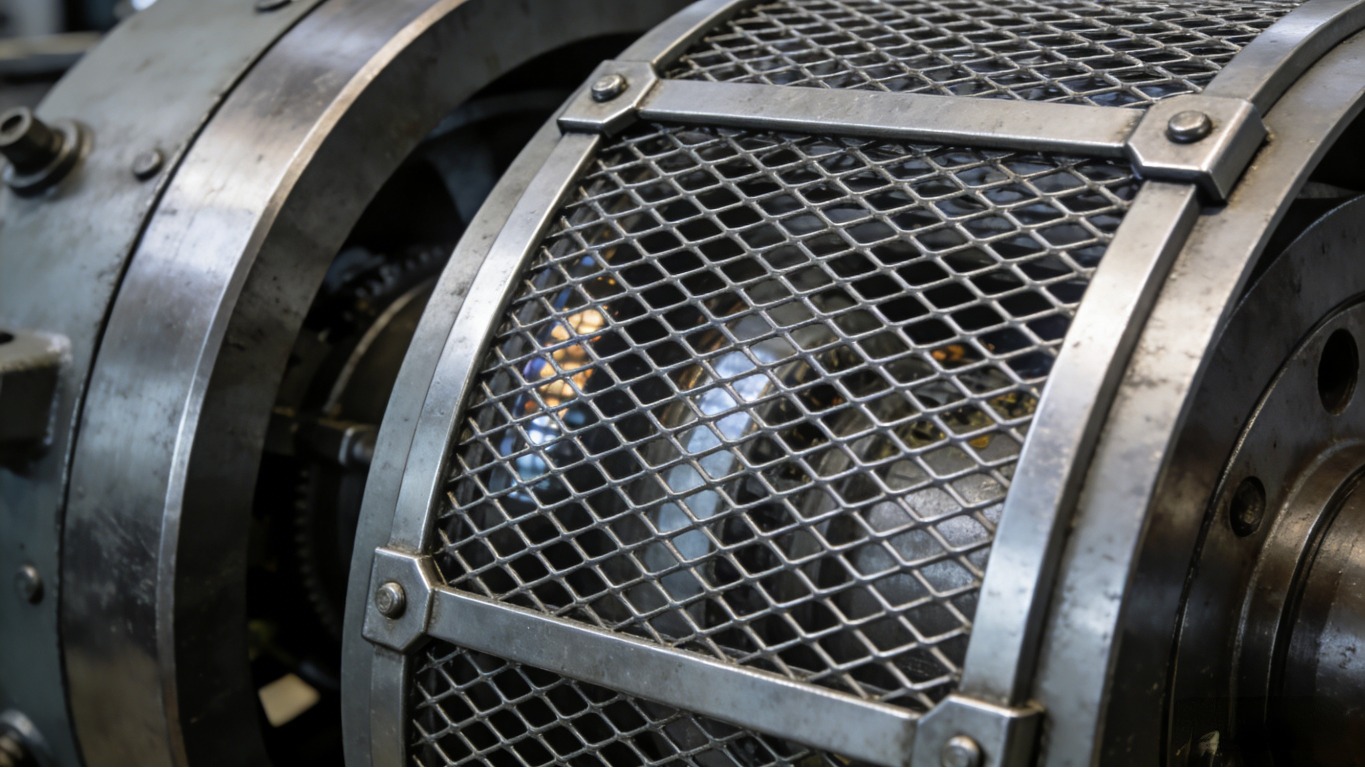
Expanded metal sheets are widely used in industrial environments for machinery guards, safety enclosures, platforms, walkways, stair treads, and catwalks. Their anti-slip surface, high strength, and durability make them ideal for safety-critical applications. The article CNC Machining vs Sheet Metal: Which is Better for Enclosures provides detailed guidance on determining whether CNC machining or traditional sheet metal processes are more suitable for these applications.
Architectural and Decorative Applications
In architectural design, expanded metal sheets are used for building facades, sunscreens, interior partitions, ceilings, and railing infill panels. Flattened expanded metal sheets are particularly popular for their clean appearance and design flexibility.
Specialized and High-Performance Applications
Specialized uses of expanded metal sheets include filtration systems, EMI and RF shielding, transportation components, and infrastructure projects requiring lightweight yet strong materials.
Regional Application Trends and Standards
Application trends vary by region, influenced by local building codes, climate conditions, and design preferences.
Advantages and Limitations of Expanded Metal Sheets
Strength-to-Weight Ratio and Cost Efficiency
Expanded metal sheets offer excellent strength while using less material than solid sheets, resulting in reduced weight and cost savings. For a deeper analysis of the factors influencing the cost of custom sheet metal parts, refer to The True Cost of Custom Sheet Metal Parts, which explains material selection, fabrication methods, and overall pricing considerations.
Design Flexibility and Aesthetic Options
A wide range of patterns, materials, and finishes allows expanded metal sheets to meet both functional and aesthetic requirements.
Limitations and Use Constraints
Potential limitations include reduced precision compared with laser-cut decorative panels and the need for proper edge finishing.
Regional Considerations for Material Selection
Climate, regulatory requirements, and supply availability should be considered when selecting materials.
Choosing the Right Expanded Metal Sheet for Your Project
Material Selection Based on Environment and Performance
Select materials based on corrosion exposure, mechanical demands, and expected service life.
Size, Load Requirements, and Mesh Configuration
Mesh geometry and thickness should be matched to load and safety requirements.
Surface Finish and Visual Design
Architectural projects often prioritize surface finish consistency and color quality.
Supplier Capabilities and Regional Availability
Working with experienced suppliers such as JLCCNC ensures access to expanded metal sheets combined with CNC cutting, bending, and finishing, simplifying global procurement and project execution.
FAQ: Expanded Metal Sheets
What Is the Difference Between Expanded Metal Sheets and Perforated Sheets?
Expanded metal sheets are formed by slitting and stretching a solid sheet, creating continuous mesh without material loss. Perforated sheets have holes punched, which can reduce strength.
How Do You Measure Expanded Metal Sheets Correctly?
Measure sheet size, base thickness, long way of diamond (LWD), short way of diamond (SWD), and strand width to ensure proper fit and performance.
What Factors Affect the Cost of Expanded Metal Sheets?
Cost depends on material, thickness, mesh configuration, surface treatment, and customization.
How Long Are the Typical Lead Times for Expanded Metal Sheet Orders?
Lead times vary by material availability, production capacity, and custom specifications.
Popular Articles
• 9 Sheet Metal Cutting Problems and Solutions
• Hole cutting in sheet metal: techniques, tolerances and applications
• Introduction to Sheet Metal Processing: Techniques and Tools for Precision
• Bending and Forming Technology in Sheet Metal Processing
• Laser cutting technology in sheet metal processing
Keep Learning
Galvanized Sheet Metal: Grades, Specs & When to Use It
Galvanized Sheet Metal: Grades, Specs & When to Use It A design engineer specs "galvanized sheet metal" on a drawing and sends it out for quotes. Three shops come back with three different prices, and one of them asks a follow-up question the others didn't: which gauge, which coating class, hot-dip or electro-galvanized? That question is the difference between a part that survives outdoors for fifteen years and one that starts showing rust spots after eighteen months — and it's the kind of detail that......
Custom Sheet Metal Fabrication: How the Process Works From Design to Delivery
Custom Sheet Metal Fabrication: How the Process Works From Design to Delivery A stock enclosure almost fits. The mounting holes are close but not quite right, the depth is half an inch too shallow, and the vendor's next size up is twice the volume you actually need. This is the point where most people start looking into custom sheet metal fabrication — not because they set out to design a part from scratch, but because nothing off the shelf actually solves the problem. Custom fabrication sounds like i......
Sheet Metal Assembly: How Fabricated Parts Come Together
Sheet Metal Assembly: How Fabricated Parts Come Together Cutting and bending gets a lot of attention because that's where a flat sheet visibly turns into a 3D part. But a single bracket by itself rarely finishes the job — most real sheet metal products are assemblies, multiple formed pieces joined into one working unit, and that assembly step is where a lot of designs quietly succeed or fail. A part that measured perfectly on its own can still not fit once it's supposed to mate with three other pieces......
Sheet Metal Bender: Types, Specs & How to Choose the Right Machine
Sheet Metal Bender: Types, Specs & How to Choose the Right Machine Every sheet metal bracket, enclosure, and panel eventually passes through a bender of some kind — that's the machine, not the process. Our guide on sheet metal bending covers how bending actually deforms metal — springback, minimum radius, bend allowance, and the core press brake and CNC press brake setups most shops run. This one goes further into the equipment side specifically: the less common bender types beyond the standard press ......
What Is Galvanized Metal? Process, Types & How It Works
What Is Galvanized Metal? Process, Types & How It Works Leave a piece of bare steel outside for a season and you'll see exactly why galvanizing exists. Rust doesn't wait for dramatic weather — a little humidity and a few weeks is enough to start eating into an unprotected surface. Galvanized metal solves that problem by giving steel a sacrificial layer of zinc that corrodes in its place, and it's done this job well enough that it's become the default choice for anything from highway guardrails to HVAC......
What Is Sheet Metal Fabrication? The Complete Guide
What Is Sheet Metal Fabrication? The Complete Guide Somewhere between a CAD file and a working enclosure sitting on your bench, a flat piece of metal gets cut, bent, joined, and finished into something that actually does a job. That's sheet metal fabrication — and if you've never ordered a part before, the term can feel bigger than it needs to be. Ask five people what "sheet metal fabrication" covers and you'll get five different answers: some think laser cutting, some think welding, some just picture......