Sheet Metal Stamping Explained: Process, Design Tips, Materials & Custom Manufacturing Guide
16 min
- Introduction to Sheet Metal Stamping
- Types of Sheet Metal Stamping Processes
- Sheet Metal Stamping Design Considerations
- Materials for Sheet Metal Stamping
- Custom Sheet Metal Stamping Services
- Quality Control and Tolerance Standards in Sheet Metal Stamping
- Advantages and Challenges of Sheet Metal Stamping
- Real Manufacturing Examples of Sheet Metal Stamping
- FAQ – Sheet Metal Stamping
Introduction to Sheet Metal Stamping
(AI-generated)
Definition of Sheet Metal Stamping and Its Role in Manufacturing
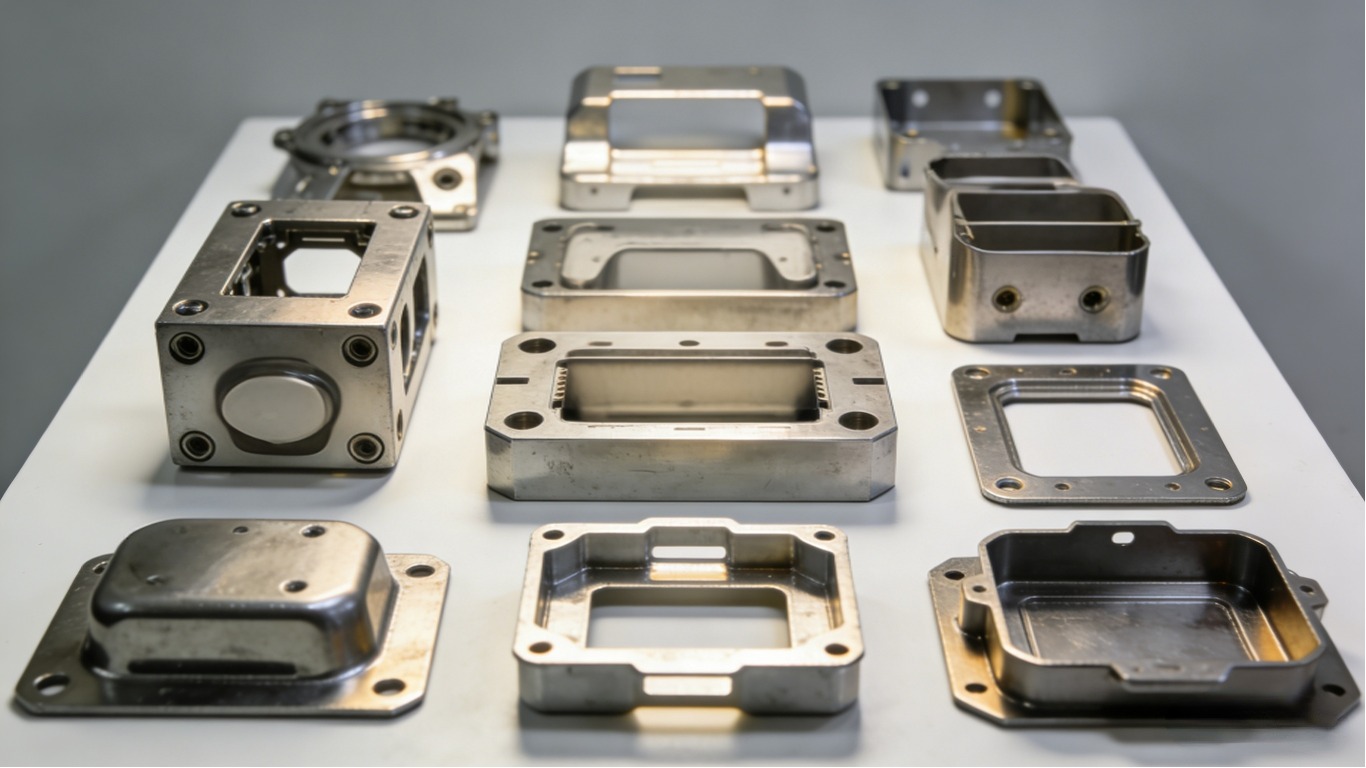
Sheet metal stamping, also referred to as metal sheet stamping, is the precise process of shaping flat metal sheets into custom components using dies and stamping presses. This manufacturing method enables the creation of parts with complex geometries and consistent dimensions. It also ensures high-quality surface finishes while maintaining efficiency in mass production. Unlike basic cutting or bending operations, sheet metal stamping integrates multiple forming operations—such as blanking, piercing, bending, and deep drawing—within a single workflow or progressive die line. By doing so, it reduces material waste, minimizes die wear, and ensures parts consistently meet stringent dimensional and functional requirements. Modern sheet metal stamping also allows for tight tolerances, making it suitable for components that must precisely interface with other mechanical systems or assemblies.
In addition, sheet metal stamping can be combined with other metal fabrication techniques, such as sheet metal cutting, sheet metal welding, and sheet metal fastening, to produce fully assembled components efficiently. This integration supports not only mass production but also rapid prototyping and iterative design testing, providing manufacturers with the flexibility to adapt to evolving product specifications.
For manufacturers, sheet metal stamping provides a cost-effective way to produce precise, high-volume parts that meet stringent quality and functional requirements.
History and Development
The evolution of sheet metal stamping spans more than a century. Early stamping relied on simple mechanical presses in the late 19th century, capable of performing basic cutting and bending operations. Over time, technological advancements introduced hydraulic presses, servo-driven presses, and computer-controlled progressive die systems, significantly increasing production speed, accuracy, and repeatability.
These innovations also allowed manufacturers to handle thinner gauges of metal, more complex geometries, and higher-strength alloys, expanding the applications of sheet metal stamping across industries. Today, advanced software tools assist engineers in die simulation and material flow analysis, helping to optimize tool design and minimize defects like wrinkling, tearing, or springback. Such developments make modern stamping an essential part of high-precision manufacturing and an enabler for innovative product designs.
Applications in Modern Industry
Sheet metal stamping plays a crucial role in modern industries, enabling the production of precise, high-volume components across automotive, aerospace, electronics, and consumer goods sectors.
Sheet metal stamping serves a diverse set of industries:
- Automotive: Components like chassis brackets, reinforcement panels, fuel tanks, and body panels rely on stamping for high-volume, repeatable production with consistent tolerances.
- Aerospace: Lightweight, high-strength parts such as landing gear brackets, fuselage supports, and interior panels are produced using stamping techniques optimized for material efficiency and structural integrity.
- Electronics: Enclosures, heat sinks, and internal brackets benefit from precise stamping that ensures electrical performance, thermal management, and assembly accuracy.
- Appliances & Consumer Goods: Durable housings, functional brackets, and aesthetic panels for household appliances are efficiently produced at scale.
- Medical & Renewable Energy: Components like medical device enclosures, solar panel frames, and battery supports demonstrate the versatility of stamping in specialized applications.
- By supporting high-volume and highly precise production, sheet metal stamping enables manufacturers to balance functionality, strength, and aesthetic requirements in their products
How Sheet Metal Stamping Fits into Modern Manufacturing Workflows
In contemporary manufacturing workflows, sheet metal stamping does not operate in isolation. It is often integrated with complementary processes to produce finished assemblies efficiently:
- Metal Cutting & Shearing: Stamped blanks are often precut from sheets or coils using cutting processes to match die specifications.
- Joining Methods: Post-stamping, components may be joined using sheet metal screws, rivets, or welding techniques to form assemblies ready for installation.
- Surface Treatments & Finishing: Stamped parts can undergo anodizing, powder coating, galvanizing, or plating to enhance durability, corrosion resistance, and aesthetics.
This integration reduces lead times, improves quality control, and allows for seamless transition from prototype to mass production.
Through such workflow integration, sheet metal stamping enables manufacturers to deliver cost-effective, precise, and repeatable components for industries where performance and reliability are critical.
Common Stamping Applications Table
| Industry | Typical Parts | Key Considerations |
| Automotive | Brackets, Panels, Chassis Components | High volume, precise tolerances, corrosion resistance |
| Aerospace | Fuselage Panels, Structural Supports, Landing Gear Brackets | Lightweight, high-strength, tight tolerances |
| Electronics | Enclosures, Heat Sinks, Internal Brackets | Electrical conductivity, thermal management, precise dimensions |
| Appliances | Housing Panels, Brackets, Functional Components | Durability, aesthetic finish, assembly fit |
Types of Sheet Metal Stamping Processes
Sheet metal stamping encompasses a variety of processes, each designed to meet specific part requirements, material types, and production volumes. Understanding these processes is essential for engineers, designers, and manufacturers to ensure optimal part quality, efficiency, and cost-effectiveness.
Blanking and Piercing Processes
Blanking involves cutting a flat metal sheet into a predefined shape or size, which serves as the starting point for further stamping operations. The blank must be carefully designed to ensure minimal waste, proper material flow, and compatibility with subsequent forming steps.
Piercing is the process of creating precise holes or openings in the metal, which may be required for assembly, fasteners, or functional features. Effective piercing requires attention to hole placement, edge distance, and material thickness, as improper design can lead to deformation or cracking.
Together, blanking and piercing establish the foundation for complex stamped parts. Modern blanking and piercing often utilize high-speed presses and CNC-controlled dies, allowing manufacturers to achieve high precision and consistent repeatability, especially when working with hard-to-form materials like stainless steel or aluminum alloys. High-strength steel may require heat treatment or pre-stretching before thinning
Applications: Automotive brackets, electronics chassis panels, appliance mounting plates, and aerospace brackets.
Bending and Forming Operations
Bending changes the angle of metal sheets without significantly altering thickness, creating flanges, ribs, or edge features. Proper bend radius selection is crucial to prevent cracking or springback, particularly in high-strength materials.
Forming operations include shaping metal into three-dimensional geometries, such as channels, curves, or contoured panels. These operations rely on die design, material properties, and press force calculations to ensure dimensional accuracy and structural integrity.
Bending and forming are often combined in progressive or transfer die setups to create multi-feature parts in a single pass, improving throughput and reducing handling.
Applications: Automotive fender panels, aerospace wing supports, electrical enclosures, and appliance housings.
Deep Drawing Process
Deep drawing transforms flat sheets into hollow or cup-like shapes with significant depth relative to their diameter. Depth-to-diameter ratio typically ≤ 2-3 for standard operations. This process requires precise control of material flow, lubrication, and die geometry to avoid defects such as wrinkling, tearing, or uneven wall thickness.
Deep drawing is particularly valuable for producing parts that require smooth interior surfaces and uniform wall thickness, such as fuel tanks, cookware, or aerospace engine components. Tooling design often incorporates hydraulic or mechanical pressure pads to control metal flow and maintain dimensional stability.
Key considerations: Material ductility, blank holder pressure, punch-to-die clearance, and lubrication type.
Progressive Die Stamping Process
Progressive die stamping automates multiple operations—punching, bending, forming, and trimming—within a single production line. A metal strip passes through successive die stations, with each station performing a specific operation until the final part emerges fully formed.
This method is ideal for high-volume production of parts with multiple features, offering advantages in cycle time, dimensional consistency, and material utilization. Progressive dies can also incorporate coil feeding systems and automated scrap removal, further enhancing efficiency.
Progressive Die Stamping Advantages
Progressive die stamping automates multiple operations on a metal strip, with each station performing a specific task until the part is fully formed. Key advantages include coiled metal strip feeding, which enables continuous high-speed production, and automated scrap removal, which improves material utilization and reduces downtime. These features make progressive die stamping ideal for high-volume production of complex parts with consistent quality.
Applications: Automotive brackets, electronics chassis, appliance panels, and high-volume connectors.
Transfer Die and Four-Slide Stamping
Transfer die stamping moves the workpiece individually between stations, allowing complex operations on parts that cannot be processed continuously. This flexibility is ideal for large or intricate components where progressive die systems may not be feasible.
Four-slide stamping employs multiple slides working simultaneously to produce complex parts from small sheets or strips. It enables tight tolerances, high precision, and intricate geometries, often used in small metal parts like clips, brackets, or connectors.
These processes allow manufacturers to balance production speed, part complexity, and tooling costs, making them suitable for both medium- and mass production runs.
When to Choose Each Stamping Process
Choosing the appropriate sheet metal stamping process depends on several factors:
- Part complexity and geometry – Deep drawing or four-slide may be needed for intricate features.
- Material type and thickness – Harder metals require higher press forces or specialized dies.
- Production volume – Progressive die stamping excels in high-volume production; transfer dies suit medium volumes.
- Tolerance requirements – Processes with tight control (deep drawing, four-slide) are preferred for precision parts.
Early consultation with stamping engineers ensures that the selected process maximizes efficiency, minimizes defects, and aligns with cost targets. Proper process selection also enables integration with complementary operations such as sheet metal cutting, sheet metal welding, or sheet metal fastening, producing ready-to-assemble components efficiently.
Stamping Process Comparison Table
| Process | Suitable Materials | Part Complexity | Volume | Tolerances |
| Blanking & Piercing | Aluminum, mild steel, stainless steel | Low–Medium (2D shapes, holes) | Medium–High | Standard industrial |
| Bending & Forming | Aluminum, carbon steel, stainless steel | Medium (angles, flanges, ribs) | Medium–High | Standard to Moderate |
| Deep Drawing | Aluminum, stainless steel, ductile alloys | High (hollow, deep shapes) | Medium–High | Moderate to Tight |
| Progressive Die | Most sheet metals including high-strength steel | Medium–High (multi-feature parts) | High (mass production) | Tight & consistent |
| Transfer Die | High-strength steel, thicker gauges | High (large or complex parts) | Low–Medium | Moderate to Tight |
| Four-Slide | Thin strip metals, spring steel | High (small intricate parts) | High (small precision parts) | Very Tight |
Sheet Metal Stamping Design Considerations
Common Design Mistakes in Sheet Metal Stamping
Mistakes such as overly thin walls, sharp internal corners, and poorly placed holes can lead to defects or part failure. Understanding these pitfalls is essential for both engineers and manufacturers.
Design for Manufacturability (DFM) in Stamping
DFM principles ensure that parts are designed for efficient and cost-effective stamping. Considerations include minimizing complex bends, reducing tool changes, and designing parts compatible with standard die sets.
Part Geometry and Thickness Guidelines for Sheet Metal Stamping
The thickness of the sheet metal and the complexity of part geometry directly influence material flow, die wear, and stamping accuracy. Maintaining appropriate thickness ratios and bend radii is critical for quality outcomes.
Hole, Slot, and Bend Design Rules in Sheet Metal Stamping
Holes and slots must be strategically placed to prevent deformation during forming. Bend radii should align with material thickness to maintain structural integrity and prevent cracking.
Tolerances and Precision Requirements
Tighter tolerances require more precise dies and often additional finishing processes. Understanding achievable tolerances based on material and stamping process ensures realistic expectations and reduces scrap rates.
Die and Tooling Design Basics for Sheet Metal Stamping
Die design determines how a part is shaped and the quality of the final component. Tooling must accommodate material properties, desired geometries, and production volume while maintaining repeatability.
Design Considerations for Cost and Tooling Efficiency
When designing for sheet metal stamping, cost and tooling efficiency should be prioritized early. Simplifying part geometry, avoiding sharp corners, and maintaining consistent material thickness can significantly reduce die complexity and tooling costs. Proper bend radius design helps prevent cracking and minimizes springback, reducing rework and scrap rates. For high-volume production, aligning the design with progressive die stamping can lower cost per unit, while low-volume projects may benefit from simpler tooling strategies. Early collaboration with stamping engineers ensures optimized material utilization, fewer secondary operations, and faster return on tooling investment.
Key Design Guidelines Table
| Design Aspect | Recommendation | Reasoning |
| Minimum Bend Radius | ≥ Material Thickness | Prevents cracking and deformation |
| Hole/Slot Placement | Maintain edge distance ≥ 2x material thickness | Ensures structural integrity during forming |
| Wall Thickness | Consistent across part | Avoids uneven material flow and die stress |
| Tolerances | ±0.05–0.5 mm based on process | Maintains part interchangeability and fit |
| DFM Principles | Simplify bends, minimize tool changes | Reduces production cost and cycle time |
Materials for Sheet Metal Stamping
(AI-generated)
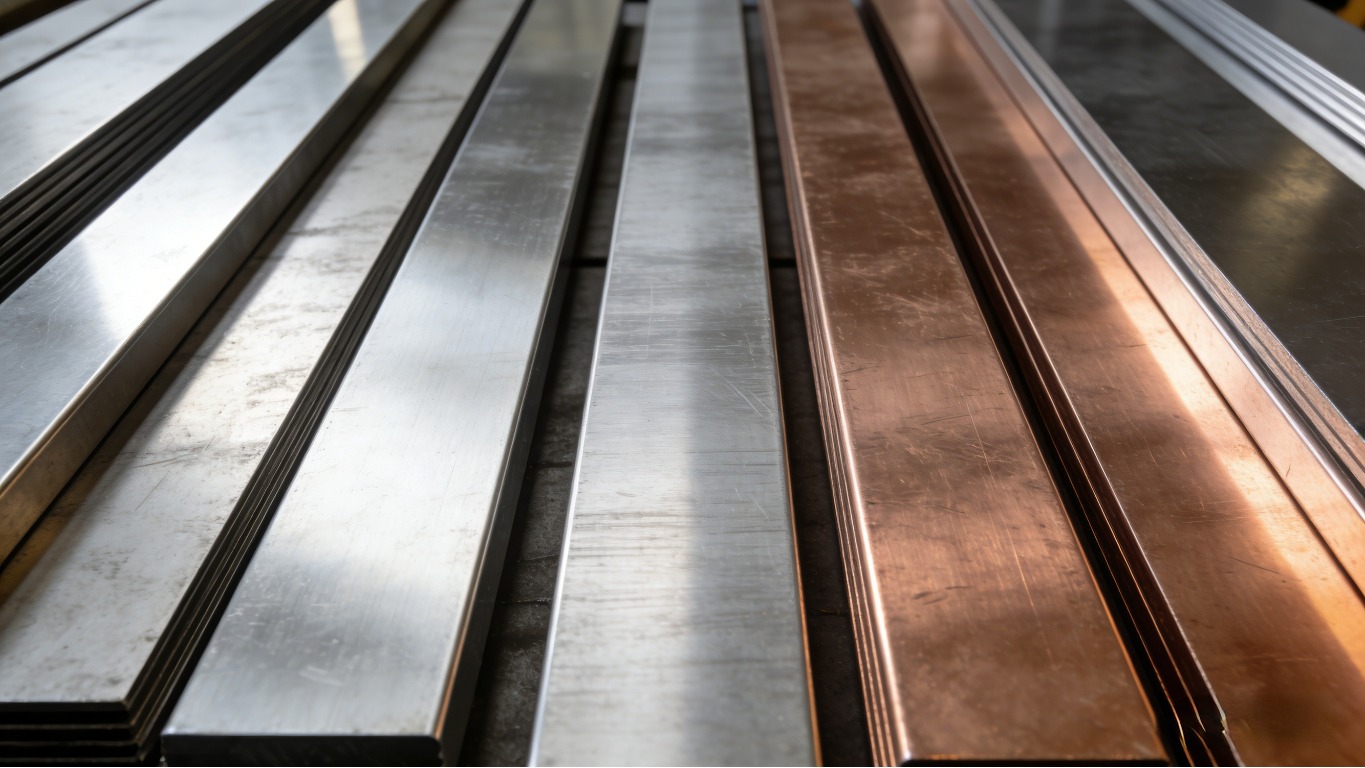
Common Metals: Steel, Aluminum, Copper, Brass
Steel offers high strength and versatility. Aluminum provides lightweight solutions with good corrosion resistance. Copper and brass are often used for electrical components and aesthetic parts.
Material Thickness and Hardness
Material thickness and hardness influence stamping feasibility, press force requirements, and die wear. Choosing the correct combination is essential for process efficiency.
Choosing the Right Material for Your Application
Selection depends on strength requirements, environmental exposure, electrical conductivity, and production volume. Collaboration between design engineers and stamping specialists ensures optimal material choice.
Surface Treatment and Finishing Considerations
Processes like galvanizing, powder coating, or anodizing are often applied post-stamping to enhance corrosion resistance, appearance, or wear properties.
Material Selection Based on Strength, Cost, and Production Volume
Selecting the right material for sheet metal stamping requires balancing mechanical performance with cost and production efficiency. In most projects, material choice is a clear cost vs. performance tradeoff:
- High-strength materials (e.g., high-strength steel) offer superior load-bearing capacity and durability but increase tooling wear, press force requirements, and overall production cost.
- Softer, ductile metals (e.g., aluminum or low-carbon steel) are easier to stamp and reduce tooling stress, but may compromise structural performance in demanding applications.
Production volume further influences material selection. For high-volume projects, even small material cost differences significantly impact total expenditure. For low-volume or high-performance applications, material performance may outweigh cost considerations.
Early engineering evaluation helps optimize both structural integrity and cost efficiency.
Material Comparison for Sheet Metal Stamping
| Material | Density | Hardness | Ductility | Suitable Processes |
| Low-Carbon Steel | Medium | Moderate | Good | Blanking, Bending, Progressive Die |
| Stainless Steel | Medium–High | High | Moderate | Deep Drawing, Progressive Die |
| Aluminum Alloy | Low | Low–Moderate | Excellent | Bending, Deep Drawing, Transfer Die |
| High-Strength Steel | Medium | Very High | Low–Moderate | Transfer Die, Controlled Progressive |
| Copper / Brass | Medium–High | Low–Moderate | Excellent | Four-Slide, Precision Stamping |
Custom Sheet Metal Stamping Services
From Prototype to Mass Production Workflow for Custom Sheet Metal Stamping
Custom sheet metal stamping services guide parts from initial design and prototyping through pilot runs and full-scale production, ensuring that quality and functionality are maintained throughout.
Cost Factors in Custom Sheet Metal Stamping
Die creation, material selection, production volume, and post-processing all influence cost. Early consultation with service providers can help manage budgets effectively.
Benefits of Custom Stamping
Custom stamping enables parts to meet precise functional requirements, reduces assembly complexity, and allows for optimized material usage.
Industries Using Custom Stamping (Automotive, Aerospace, Electronics)
Industries with complex, high-volume production needs rely heavily on custom stamping for parts like brackets, enclosures, heat sinks, and chassis components.
Small vs Large Scale Production Solutions
Custom services accommodate both low-volume prototypes and high-volume production runs, adjusting tooling and process parameters accordingly.
How to Select a Reliable Sheet Metal Stamping Service Provider
Factors include expertise in sheet metal stamping design, tooling capabilities, quality certifications, and ability to integrate with complementary processes like sheet metal welding or sheet metal cutting.
JLCCNC provides sheet metal processing, including cutting, bending, and welding. While stamping is not currently offered, JLCCNC can deliver complete metal fabrication solutions that integrate with stamped components
Quality Control and Tolerance Standards in Sheet Metal Stamping
(AI-generated)
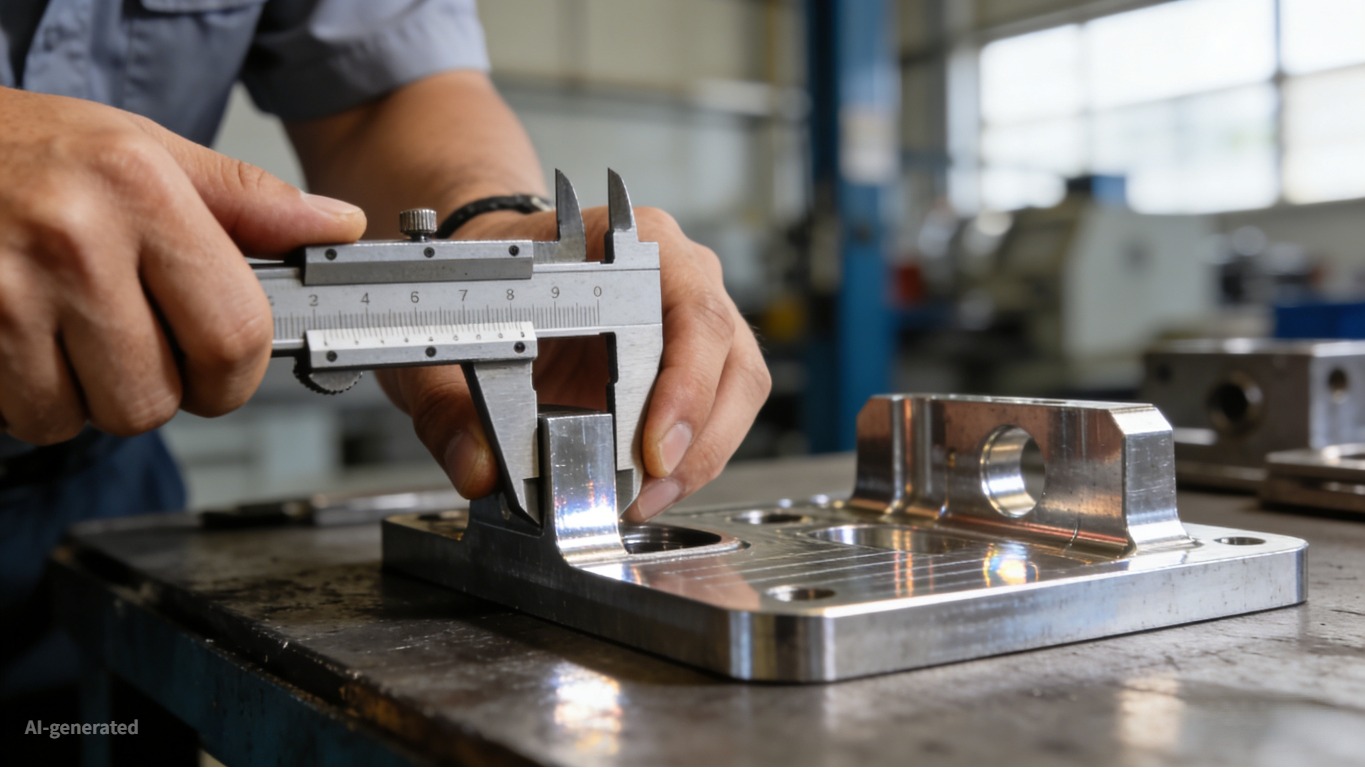
Dimensional Accuracy and Inspection Techniques
Coordinate measuring machines (CMM), optical inspection, and gauge tools ensure stamped parts meet design specifications.
Common Tolerance Standards
Standards such as ISO and ANSI guide achievable tolerances for different materials and processes, helping to maintain part interchangeability.
Ensuring Consistency in Mass Production
Statistical process control, regular tooling checks, and preventive maintenance of presses are critical to maintain high-volume consistency.
Common Defects and How They Are Prevented
Typical defects include wrinkling, cracking, and springback. Proper die design, material selection, and process optimization minimize these issues.
Quality Control Checklist Table
| Inspection Method | Purpose | Frequency |
| Coordinate Measuring Machine (CMM) | Dimensional verification | Every batch |
| Optical Inspection | Surface finish and defect detection | Random sampling |
| Gauge Tools | Critical feature measurement | Daily checks |
| Statistical Process Control (SPC) | Process stability | Continuous monitoring |
| Tooling Inspection | Die wear and alignment | Weekly/Monthly |
Advantages and Challenges of Sheet Metal Stamping
High Efficiency and Repeatability
Sheet metal stamping is ideal for mass production with consistent quality.
Safety and Operational Considerations
Proper training, machine guarding, and adherence to safety protocols ensure a safe stamping environment.
Limitations and How to Overcome Them
Complex geometries may require specialized tooling or multiple operations. Collaborating with experienced engineers can mitigate these challenges.
Real Manufacturing Examples of Sheet Metal Stamping
Automotive Parts Examples
Chassis brackets, reinforcement panels, and engine components illustrate the diversity and precision of sheet metal stamping.
Aerospace Components Examples
Landing gear brackets, fuselage panels, and structural supports showcase the high strength-to-weight requirements.
Electronics and Appliance Parts Examples
Enclosures, heat sinks, and internal brackets demonstrate precision stamping for functional and aesthetic requirements.
Lessons Learned from Successful Projects
Integrating early design review, proper material selection, and iterative prototyping ensures success in complex stamping projects.
FAQ – Sheet Metal Stamping
Q1: Is sheet metal stamping suitable for low-volume production?
A: Yes, flexible tooling and progressive die approaches make low-volume production possible, though cost per part may be higher.
Q2: What tolerances can stamping achieve?
A: Typical tolerances range from ±0.05 mm to ±0.5 mm, depending on material, die precision, and press type.
Q3: How much does sheet metal stamping cost?
A: Cost varies based on material, part complexity, tooling requirements, and production volume. Early consultation with providers helps manage expenses.
Q4: Which materials are best for stamping?
A: Steel, aluminum, copper, and brass are commonly used depending on strength, weight, and functional needs.
Q5: How do I choose a custom sheet metal stamping service?
A: Consider provider expertise, tooling capabilities, quality certifications, and ability to handle complementary processes like fastening or metal fabrication.
Q6: What is the difference between deep drawing and progressive die stamping?
A: Deep drawing forms hollow shapes with depth, while progressive die stamping automates multiple operations in sequence for high-volume production.
Popular Articles
• 9 Sheet Metal Cutting Problems and Solutions
• Hole cutting in sheet metal: techniques, tolerances and applications
• Introduction to Sheet Metal Processing: Techniques and Tools for Precision
• Bending and Forming Technology in Sheet Metal Processing
• Laser cutting technology in sheet metal processing
Keep Learning
Galvanized Sheet Metal: Grades, Specs & When to Use It
Galvanized Sheet Metal: Grades, Specs & When to Use It A design engineer specs "galvanized sheet metal" on a drawing and sends it out for quotes. Three shops come back with three different prices, and one of them asks a follow-up question the others didn't: which gauge, which coating class, hot-dip or electro-galvanized? That question is the difference between a part that survives outdoors for fifteen years and one that starts showing rust spots after eighteen months — and it's the kind of detail that......
Custom Sheet Metal Fabrication: How the Process Works From Design to Delivery
Custom Sheet Metal Fabrication: How the Process Works From Design to Delivery A stock enclosure almost fits. The mounting holes are close but not quite right, the depth is half an inch too shallow, and the vendor's next size up is twice the volume you actually need. This is the point where most people start looking into custom sheet metal fabrication — not because they set out to design a part from scratch, but because nothing off the shelf actually solves the problem. Custom fabrication sounds like i......
Sheet Metal Assembly: How Fabricated Parts Come Together
Sheet Metal Assembly: How Fabricated Parts Come Together Cutting and bending gets a lot of attention because that's where a flat sheet visibly turns into a 3D part. But a single bracket by itself rarely finishes the job — most real sheet metal products are assemblies, multiple formed pieces joined into one working unit, and that assembly step is where a lot of designs quietly succeed or fail. A part that measured perfectly on its own can still not fit once it's supposed to mate with three other pieces......
Sheet Metal Bender: Types, Specs & How to Choose the Right Machine
Sheet Metal Bender: Types, Specs & How to Choose the Right Machine Every sheet metal bracket, enclosure, and panel eventually passes through a bender of some kind — that's the machine, not the process. Our guide on sheet metal bending covers how bending actually deforms metal — springback, minimum radius, bend allowance, and the core press brake and CNC press brake setups most shops run. This one goes further into the equipment side specifically: the less common bender types beyond the standard press ......
What Is Galvanized Metal? Process, Types & How It Works
What Is Galvanized Metal? Process, Types & How It Works Leave a piece of bare steel outside for a season and you'll see exactly why galvanizing exists. Rust doesn't wait for dramatic weather — a little humidity and a few weeks is enough to start eating into an unprotected surface. Galvanized metal solves that problem by giving steel a sacrificial layer of zinc that corrodes in its place, and it's done this job well enough that it's become the default choice for anything from highway guardrails to HVAC......
What Is Sheet Metal Fabrication? The Complete Guide
What Is Sheet Metal Fabrication? The Complete Guide Somewhere between a CAD file and a working enclosure sitting on your bench, a flat piece of metal gets cut, bent, joined, and finished into something that actually does a job. That's sheet metal fabrication — and if you've never ordered a part before, the term can feel bigger than it needs to be. Ask five people what "sheet metal fabrication" covers and you'll get five different answers: some think laser cutting, some think welding, some just picture......