Brushed Finish on Metal Parts: Process, Materials, and Applications
18 min
- What Is a Brushed Finish?
- Why Brushed Finishes Are Used on Functional and Cosmetic Parts
- Where Brushed Finishes Work Best
- How the Brushing Process Works in Manufacturing
- How Brushed Finishes Differ Across Metals
- Surface Appearance and Texture Characteristics
- Limits and Trade-Offs of Brushed Finishes
- Brushed Finish vs Other Surface Finishes
- Design Considerations Before Specifying a Brushed Finish
- When to Choose a Brushed Finish for Custom Parts
- Key Takeaways
- FAQ
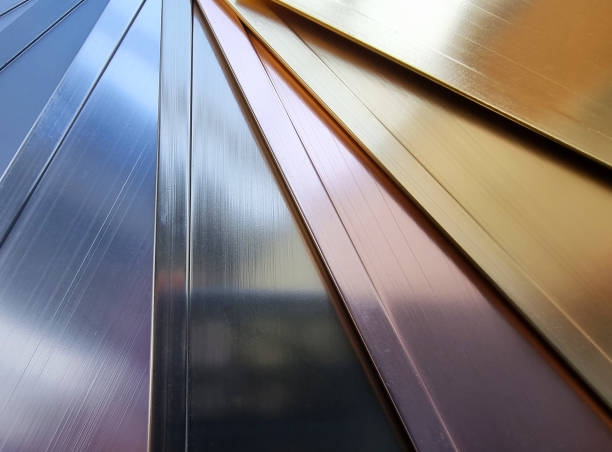
(iStock) Brushed metal panels with linear surface finish.
Brushed metal finishes appear across modern products, such as laptop housings, control panels, and CNC-machined enclosures. The surface looks matte with fine directional lines instead of a mirror polish.
Manufacturers apply this finish by mechanically abrading the surface with belts or brushes. The process creates a consistent unidirectional texture that reduces glare while keeping the metal surface durable.
In machining workflows, brushing usually happens after milling or grinding. It removes minor tool marks and gives parts a uniform appearance. The result is predictable. Also, it is easy to reproduce across production batches.
If you want to understand how machining quality affects surface appearance, see our guide on CNC machining surface roughness.
What Is a Brushed Finish?
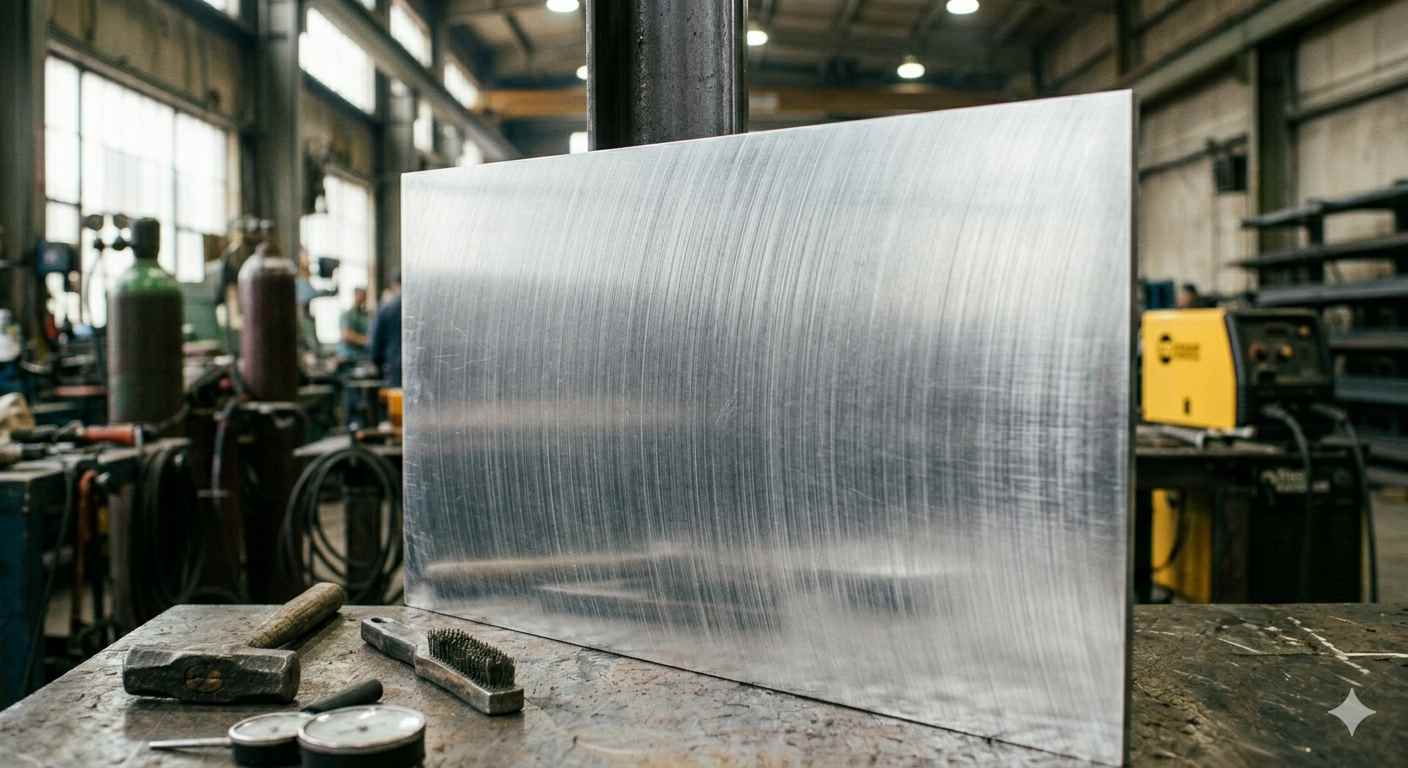
(AI generated) Close-up of a brushed metal finish on a CNC-machined panel
A brushed finish is a metal surface texture created by dragging abrasive media across the part in a single direction. The abrasive scratches the surface at a controlled depth. Those scratches form the visible grain.
Unlike polished surfaces, a brushed metal finish does not reflect light strongly. The grain scatters light instead. That’s why the finish looks satin rather than glossy.
Machining shops often use abrasive belts, Scotch-Brite style wheels, or automated brushing machines. Each pass creates parallel micro-lines across the metal.
Typical metals that receive brushed finishes include:
- Aluminum
- Stainless steel
- Brass
- Copper
The finish can be applied after CNC machining, sheet metal fabrication, or grinding operations.
You’ll often see a brushed finish on parts that need both durability and a controlled surface appearance. CNC machining shops apply this finish to aluminum panels, stainless steel housings, and other visible components where surface texture matters.
At JLCCNC, engineers regularly machine parts that later receive brushed finishing or other surface treatments. The machining stage matters more than many designers expect. Tool marks, cutting direction, and surface flatness all influence how a brushed metal finish looks after processing.
For example, uneven machining marks can disrupt the final brushed metal texture. Consistent toolpaths and proper surface preparation help produce a clean brushed finish metal surface.
That’s why manufacturing teams often consider surface finishing during the machining stage instead of treating it as a final cosmetic step.
Why Brushed Finishes Are Used on Functional and Cosmetic Parts
Engineers choose brushed finishes for two main reasons. Appearance and durability.
First, the satin texture reduces reflectivity. Bright polished surfaces reflect light and show machining marks easily. Brushed surfaces scatter light, which hides small imperfections.
Second, the directional grain helps mask fingerprints and light scratches. This matters for parts people handle often.
Once the brushing direction and abrasive grade are defined, shops can reproduce the same surface texture across hundreds or thousands of parts.
Where Brushed Finishes Work Best
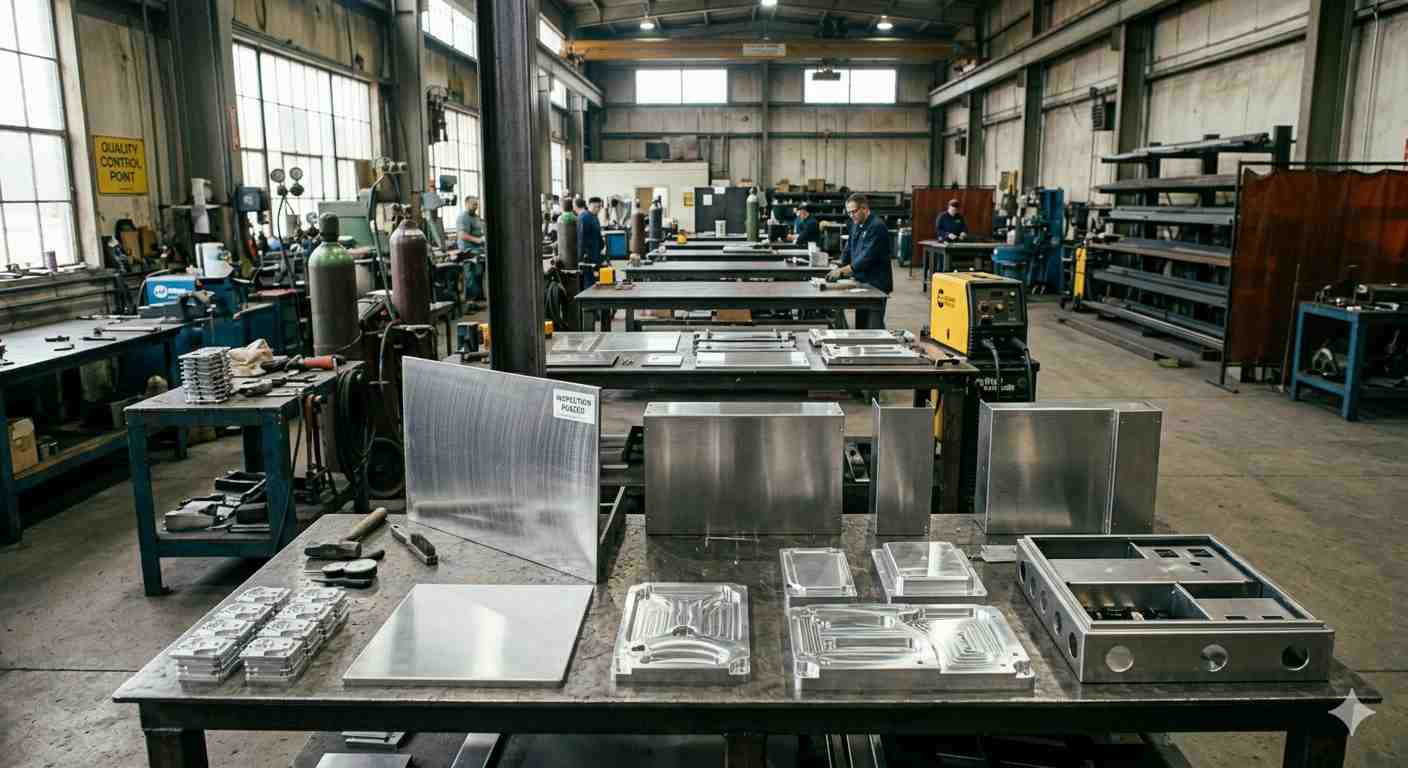
(AI generated) Brushed metal panels, sheet metal enclosures, and CNC-machined exterior parts.
A brushed surface works well when a part needs a clean technical look without the glare of a polished metal surface. The texture breaks up reflections and hides small machining marks that would stand out on a mirror finish.
Engineers often specify brushing on parts that stay visible after assembly, such as panels, housings, and exterior structural pieces. The finish also helps mask light handling marks that show up during shipping or installation.
Another advantage is consistency. A controlled brushing pass produces the same directional grain across multiple parts. That matters when dozens of components sit next to each other in the final product.
CNC Machined Exterior Parts
CNC-machined parts sometimes show light tool marks after milling, especially on aluminum. A brushed finish solves that quickly. Our guide on CNC machining aluminum parts explains why aluminum responds well to brush finishing.
A belt or abrasive wheel runs across the surface in one direction. The pass removes shallow tool marks and leaves a uniform grain. Laptop housings, equipment panels, and instrument faces often use this approach.
The finish also reduces glare. Helpful when the part sits under bright lighting or near displays.
Sheet Metal Panels and Enclosures
Sheet metal products frequently use brushed finishes. Stainless steel panels are a good example.
Large flat surfaces tend to highlight scratches and fingerprints. The brushed grain hides most of those small marks. It also gives the enclosure a more controlled, industrial look.
You’ll see this on control cabinets, electrical enclosures, elevator panels, and commercial appliances.
Products That Require a Technical, Non-Mirror-Like Appearance
Not every product should look polished. Some designs aim for a quieter surface.
Brushed metal delivers that balance. The part still looks precise and engineered, but it avoids the reflective shine of a mirror finish. Industrial equipment, lab devices, and high-end consumer electronics often use brushed aluminum or stainless steel for that reason.
How the Brushing Process Works in Manufacturing
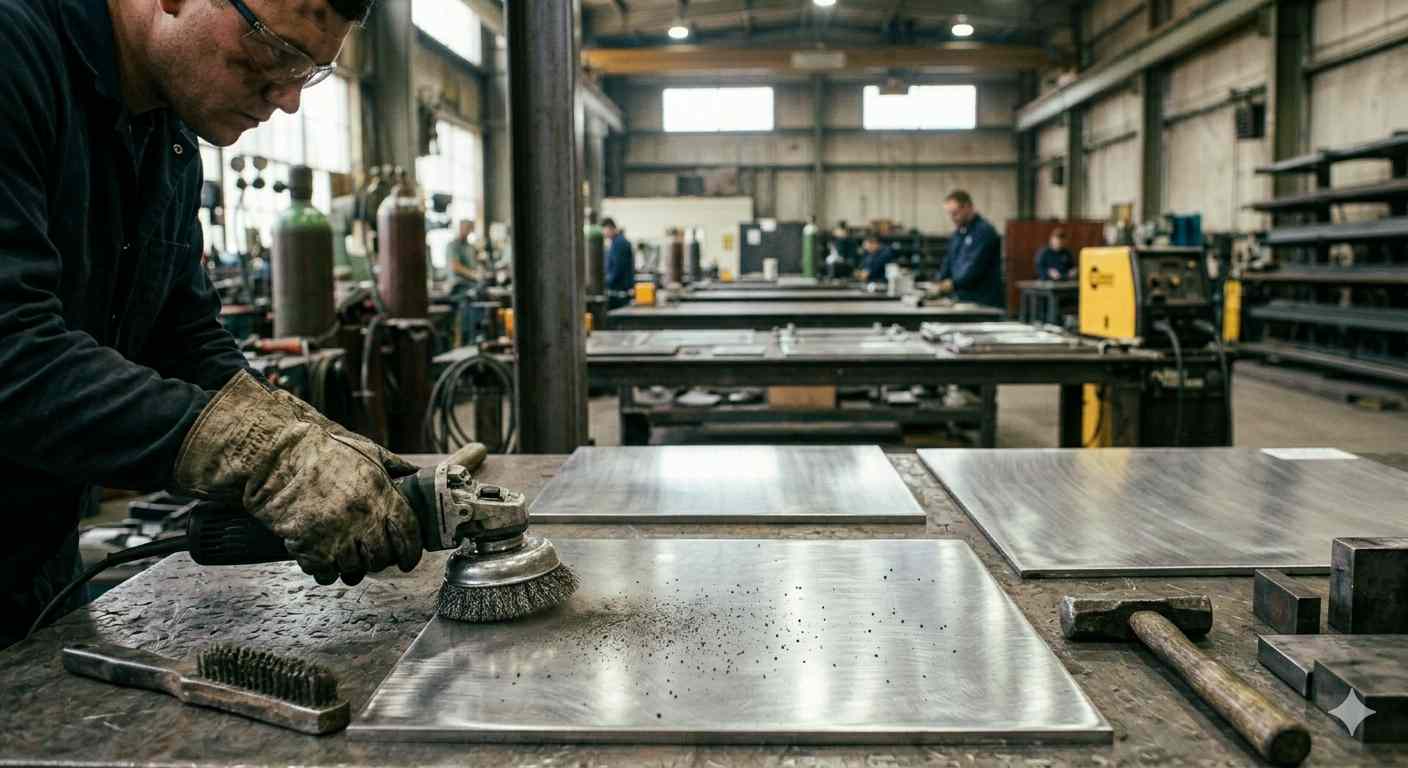
(AI generated) Worker performing brushing process on a metal sheet.
A brushed finish looks simple, but the result depends on careful process control. The goal is to create a uniform brushed metal texture across the entire surface. That texture comes from thousands of tiny parallel scratches cut into the metal by abrasive material.
Manufacturers usually apply brushed finishing after machining, grinding, or sheet metal forming. The abrasive removes light tool marks and leaves a controlled satin grain. This step is common for both brushed aluminum finish surfaces and brushed stainless steel finish panels.
The key variable is direction. Every pass must move the abrasive across the metal in the same path. If the direction changes mid-process, the surface starts to look uneven immediately.
Common Tools and Abrasive Methods
Several tools can create a brushed finish metal surface. The exact method depends on part geometry, production volume, and the metal being processed.
Typical tools include:
- Abrasive belt sanders for large flat parts
- Non-woven abrasive wheels for controlled finishing
- Scotch-Brite style pads for light surface conditioning
- Automated brushing machines are used in sheet metal production
For brush finishing aluminum, shops often start with a medium-grit belt. The first pass removes machining marks. A second pass with a finer abrasive refines the brushed metal finish and produces the final grain pattern.
Stainless steel usually requires slightly different abrasives. A brushed stainless steel finish often uses non-woven abrasives because they produce a consistent satin texture without cutting too aggressively.
How Grain Direction Affects the Final Surface
Grain direction is the defining feature of a brushed metal finish. All abrasive passes must follow the same orientation.
If one section runs horizontally and another vertically, the difference becomes obvious immediately. The surface stops looking intentional and starts looking scratched.
Designers normally choose grain direction based on how the part will be seen in the final product. For example:
- Vertical grain for front panels
- Horizontal grain for wide housings
- Linear grain following the longest edge of a component
This keeps the brushed metal texture visually consistent across assemblies.
What Determines Finish Consistency
Consistency is what separates a professional brushed finish from a random scratched surface. Three factors control the final result.
First, abrasive grit size. Coarse abrasives produce a deeper grain. Fine abrasives create a softer satin look.
Second, pressure and feed speed. Too much pressure cuts irregular lines. Too little pressure leaves an inconsistent texture.
Third, part handling. Each part must enter the brushing step in the same orientation. Automated brushing systems often help here because they keep motion and pressure constant.
When these factors are controlled, manufacturers can reproduce the same brushed aluminum finish or brushed stainless steel finish across large production runs. The surface grain stays uniform from the first part to the thousandth.
How Brushed Finishes Differ Across Metals
Metal Type | How the Brushing Process Behaves | Typical Surface Look | Where It’s Commonly Used |
|---|---|---|---|
Brushed Aluminum Finish | Aluminum cuts easily, so brush finishing aluminum usually uses medium or fine abrasive belts. Too much pressure can dig into the surface quickly, so operators keep the passes light and controlled. | Produces a soft satin grain with a clean brushed metal texture. The lines appear slightly wider than stainless steel because aluminum is softer. | Consumer electronics housings, CNC-machined exterior parts, instrument panels, architectural trim |
Brushed Stainless Steel Finish | Stainless steel is harder, so it takes more passes to create a consistent brushed stainless steel finish. Non-woven abrasive wheels or conditioning belts are often used to avoid deep scratches. | The grain looks tighter and more defined. A typical brushed metal finish on stainless steel has a slightly darker tone and stronger directional lines. | Kitchen equipment, control cabinets, elevator panels, industrial enclosures |
Brushed Brass and Other Metals | Brass, copper, and similar alloys brush easily but show scratches quickly. The brushed finishing process usually uses finer abrasives to keep the surface controlled. | Creates a warm-toned, brushed finish metal surface with visible linear grain. Over time, the metal may develop a patina depending on the environment. | Decorative panels, hardware components, architectural fixtures |
Surface Appearance and Texture Characteristics
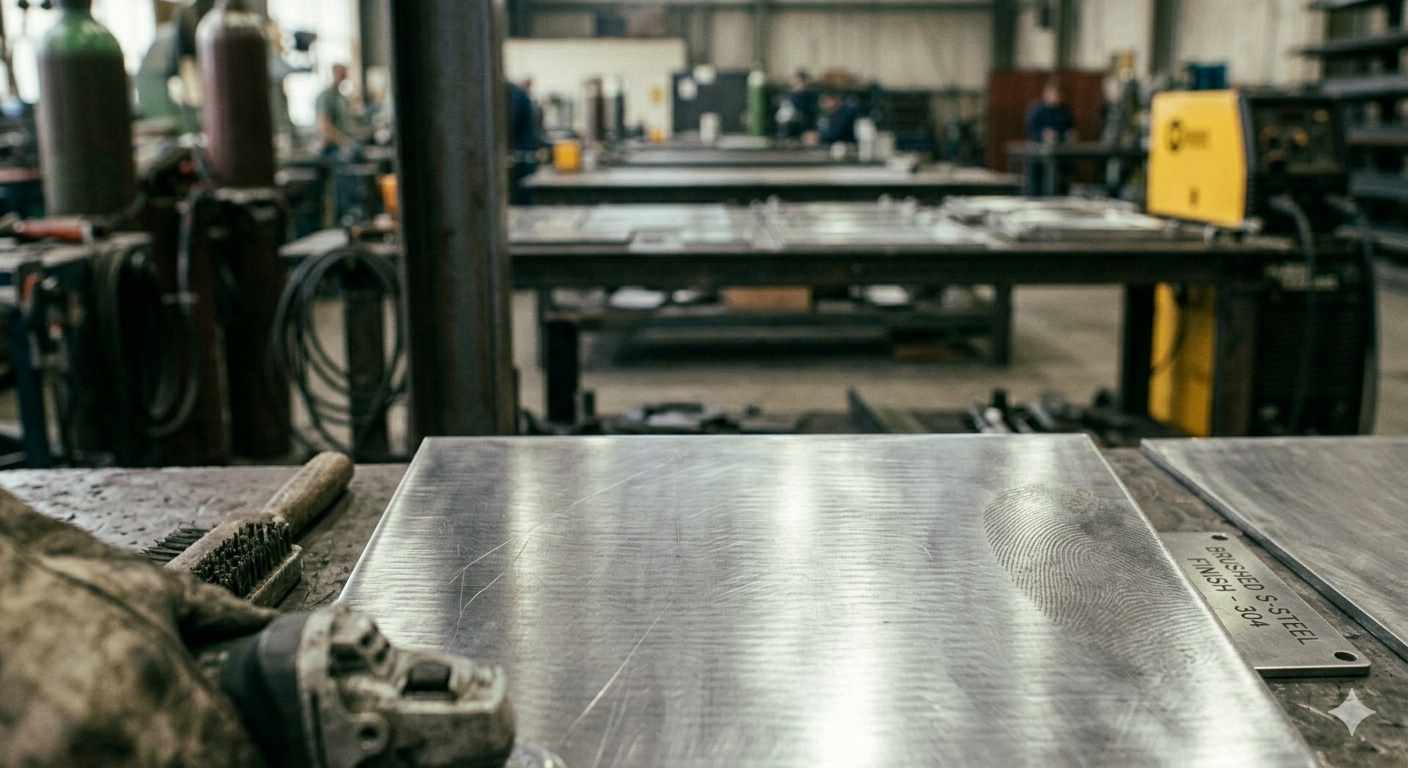
(AI generated) Macro view of brushed metal surface highlighting satin texture.
A brushed finish changes how metal looks and feels. Instead of a mirror reflection, the surface shows a fine directional grain. Run your fingers across it, and you can usually feel the subtle lines. Not rough. Just enough texture to notice.
That linear grain is what defines a brushed metal finish. Every abrasive pass moves in the same direction, leaving a pattern that looks deliberate rather than random.
Visual and Tactile Features of Brushed Metal
Brushed metal displays a distinct directional texture. Directional texture defines the part's look. Microscopic scratches run parallel to the longest axis, scattering light to kill glare and create that uniform matte.
The substrate dictates the feel. Aluminum grain feels soft, almost velvety. Stainless is different. It’s sharper and tighter because the Rockwell hardness is higher. This isn't just for looks; the texture hides the inevitable oily fingerprints and assembly-line scuffs that ruin a polished mirror finish.
Effect on Reflectivity, Fingerprints, and Minor Scratches
Polished metal reflects everything. A brushed finish disrupts that specular reflection. Skin oils still get on the metal, but the grain reduces the visibility of smudges.
Surface durability does not improve mechanical durability, but improves visual wear tolerance. New scratches often blend into the existing pattern if they align with the grain. Consequently, engineers specify this finish for high-touch hardware and industrial enclosures.
Texture Uniformity on Complex Geometries
Flat panels are easy to brush. The abrasive moves across the surface in one straight pass.
Complex parts are trickier. Curves, corners, and recessed features can interrupt the grain pattern if the process isn’t controlled carefully.
Machining shops usually brush individual surfaces before assembly or use specialized tools that follow the shape of the part. Done correctly, the brushed finish still looks continuous across the component.
When the grain direction stays consistent, the finished part maintains a clean brushed metal finish even across complicated geometries.
Limits and Trade-Offs of Brushed Finishes
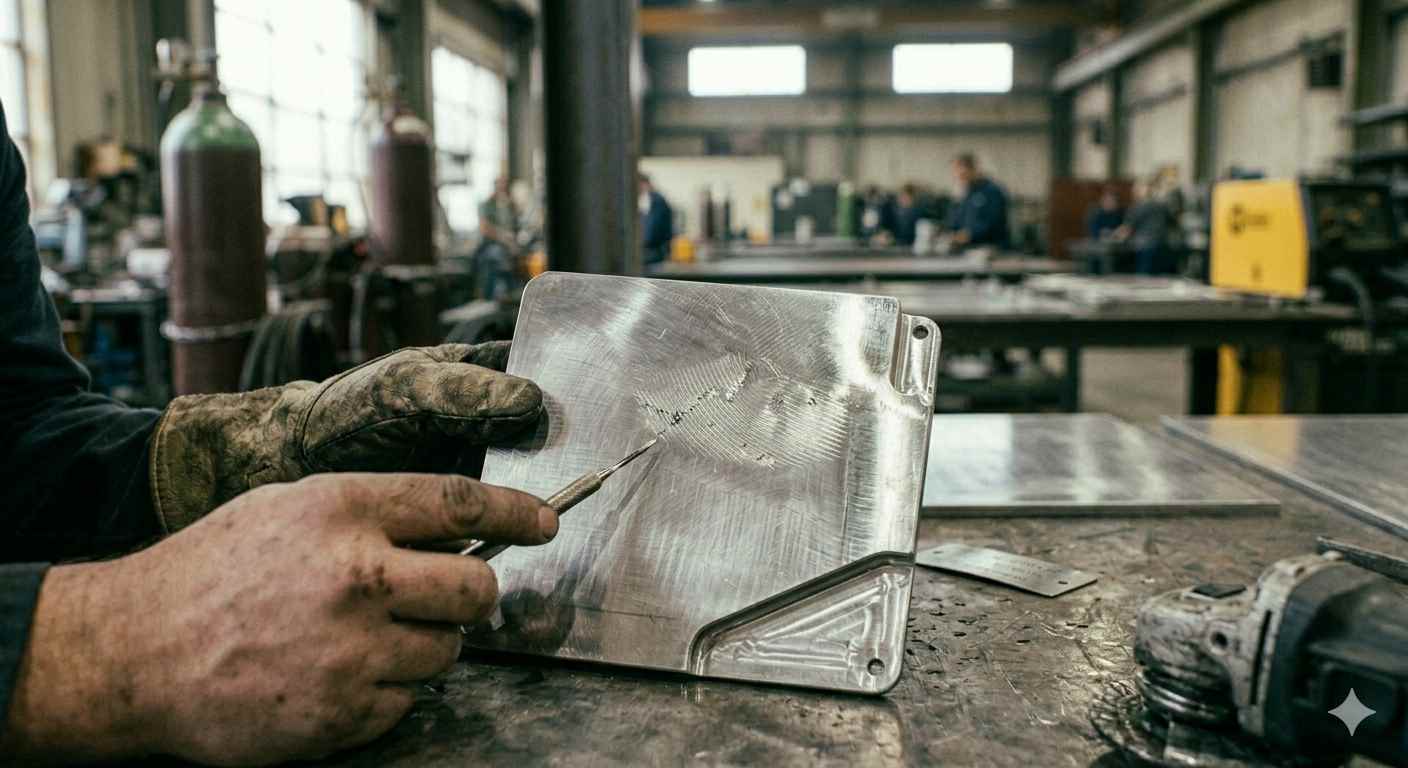
(AI generated) Technician inspecting brushed metal part with grain direction constraints and minor surface imperfections.
A brushed finish looks clean and controlled. That’s the appeal. The surface hides machining marks and reduces reflections. But the finish does introduce a few constraints that engineers have to think about during design.
The main issue comes down to direction. A brushed metal finish always has a grain, and that grain becomes part of the visual design, whether you planned for it or not.
Geometry can also complicate things. Flat panels brush easily. Parts with corners, pockets, or deep features are another story.
Grain Direction Constraints in Design
Every brushed metal texture runs in a single direction. Once that direction is chosen, it becomes part of the part’s appearance.
If two panels sit next to each other but their grain runs differently, people notice immediately. It looks inconsistent, even if the machining itself is perfect.
That’s why engineers usually define grain direction in the drawing. Horizontal. Vertical. Sometimes aligned with the longest edge of the part.
Small detail. Big visual difference.
Localized Surface Damage Challenges
A brushed finish metal surface hides small scratches fairly well. That’s one of the reasons manufacturers use it.
But more serious damage is harder to disguise.
If a scratch cuts across the grain of a brushed aluminum finish or brushed stainless steel finish, it tends to stand out. The line breaks the pattern that the brushing process created.
Repair usually means re-brushing the entire surface. Spot repairs rarely blend perfectly.
Uniformity Issues on Complex Parts
Flat parts are straightforward to brush. The abrasive moves across the surface in one pass and leaves a consistent grain.
Complex parts behave differently.
Corners interrupt the motion. Curved areas change the contact pressure. Deep pockets sometimes can’t be reached at all with standard tools.
Because of that, brushed finishing works best on simple exterior surfaces. Large panels. Equipment housings. Visible outer components.
Intricate geometries can still receive a brushed metal finish, but maintaining a perfectly uniform grain across the whole part becomes harder.
Brushed Finish vs Other Surface Finishes
Surface Finish Comparison | Appearance | Texture | Durability & Maintenance | Typical Use Cases |
|---|---|---|---|---|
Brushed vs Polished | A brushed finish shows a directional grain. Polished metal reflects light almost like a mirror. | Brushed metal texture feels slightly linear to the touch. Polished surfaces feel smooth and slick. | Brushed surfaces hide fingerprints and small scratches better. Polished finishes show marks easily. | Equipment panels, appliances, CNC exterior parts vs decorative trim or jewelry components. |
Brushed vs Bead Blasted | Brushed surfaces show visible lines. Bead blasting produces a uniform matte surface with no grain direction. | Brushed finishing creates a linear texture. Bead blasting produces a soft, slightly rough feel. | Bead-blasted surfaces hide damage well but can trap oils. A brushed aluminum finish cleans more easily. | Electronic enclosures, consumer products vs tool housings and industrial hardware. |
Brushed vs Anodized or Coated Surfaces | Brush finishing aluminum often appears silver or metallic. Anodized or coated parts can be colored or fully matte. | Brushed finishes keep the metal texture visible. Coatings cover the base surface completely. | Anodizing improves corrosion resistance. A brushed stainless steel finish already offers strong durability without coatings. | Structural parts, appliance housings, architectural panels vs colored consumer products or corrosion-critical environments. |
Design Considerations Before Specifying a Brushed Finish
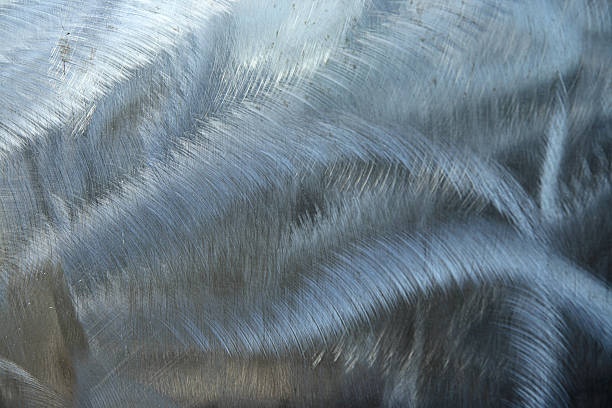
(iStock) Brushed metal.
A brushed metal finish isn’t just a cosmetic decision. The direction of the grain, the part geometry, and even how the component mounts in an assembly can affect the final result.
Most problems with brushed finishing don’t happen during manufacturing. They start earlier, at the design stage.
Defining Visible Surfaces and Grain Direction
First question engineers usually ask: which faces will people actually see?
Only those surfaces normally need a brushed finish. Hidden areas rarely justify the extra processing.
Grain direction matters just as much. A brushed metal texture always runs in a straight line. If adjacent parts run in different directions, the mismatch becomes obvious.
Design drawings often include a simple note:
“Brushed grain direction parallel to long edge.”
Small instruction. Saves a lot of confusion on the shop floor.
Edge, Hole, and Formed Feature Considerations
Edges interrupt the brushing pattern. So do drilled holes, countersinks, and formed bends.
When a surface receives a brushed aluminum finish, abrasives travel across the face in one direction. If the surface contains many holes or slots, the grain may distort slightly near those edges.
The effect is usually minor. But on large decorative panels, engineers sometimes space features carefully so the grain pattern remains consistent.
Sheet metal parts show this even more clearly. Bend lines can slightly shift how the brushed finish metal surface reflects light.
Matching Finish to Part Function and Production Method
Not every part benefits from brushing.
High-contact components often work well with a brushed stainless steel finish because the texture hides fingerprints and daily wear.
Precision internal parts usually don’t need it. The finish adds cost and doesn’t improve function.
The manufacturing method also plays a role. CNC-machined exterior faces and flat sheet metal panels accept brush finishing aluminum easily. Intricate parts with deep pockets or complex geometry can be harder to brush uniformly.
When to Choose a Brushed Finish for Custom Parts
There’s a reason brushed finishes show up everywhere in industrial design. The surface looks clean, technical, and durable without feeling overly decorative.
But the finish works best in specific situations.
Situations Where Appearance and Function Both Matter
A brushed metal finish shines when a part is both visible and functional.
The brushed metal texture reduces glare under lighting and hides small scratches from handling. That makes it practical for parts people to touch regularly.
A brushed aluminum finish also keeps the metal look that engineers often prefer for industrial products.
Cases to Avoid Brushed Finish Due to Uniformity Challenges
Some parts simply fight the brushing process.
Complex geometries create inconsistent grain patterns. Deep pockets, tight corners, or curved surfaces make it difficult to maintain a clean directional texture.
In those cases, bead blasting or coating usually produces a more uniform result.
Another factor is repair. If a deep scratch appears on a brushed finish metal surface, spot repairs rarely blend perfectly. The entire face often needs re-brushing.
For large decorative panels or highly visible components, that’s worth keeping in mind before specifying the finish.
Key Takeaways
- Brushed finishing is not always a default choice. It works best when the surface remains visible and needs a controlled appearance rather than reflection.
- If the part is handled frequently, a brushed finish helps mask fingerprints and light scratches. Aluminum and stainless steel both respond well, but the visual result differs. Aluminum tends to show a softer grain. Stainless steel produces a tighter, more defined texture.
- Geometry matters. Flat external faces are straightforward. Once the part includes deep pockets, tight corners, or interrupted surfaces, maintaining a consistent grain becomes difficult. In those cases, bead blasting or coating often gives a more uniform result.
- Grain direction should be defined early in the design. It affects how adjacent parts look once assembled. Mismatched directions are immediately visible, even if the machining quality is high.
- From a manufacturing perspective, brushing is a secondary process. Surface quality after machining still sets the baseline. Poor toolpaths or uneven surfaces will show through the final finish.
- If the appearance of the part is critical, it’s usually worth reviewing surface finish requirements during the machining stage rather than after.
If surface appearance is part of your design intent, machining and finishing should be considered together rather than treated as separate steps. JLCCNC supports CNC machining with integrated surface finishing, including brushing across a range of metals and part geometries.
Upload your CAD file to see pricing, lead time, and available finishes for your part through JLCCNC’s online quoting system. JLCCNC ensures precise machining, consistent brushed finishes on a range of metals, and fast production turnaround.
FAQ
Q: What metals are best suited for a brushed finish?
Aluminum and stainless steel are the most common because they produce a consistent brushed metal finish and durable surface texture.
Q: How does brushing affect durability and wear resistance?
A brushed finish metal surface doesn’t change base strength but helps hide fingerprints, scuffs, and light scratches during everyday use.
Q: Can brushed finishes be applied to complex CNC-machined parts?
Yes, but complex geometry can make it harder to maintain a uniform brushed metal texture across the entire surface.
Q: How does grain direction impact the final appearance?
Grain direction defines the visual flow of a brushed finish, so mismatched directions between parts can look inconsistent.
Q: What are the trade-offs compared to polishing or bead blasting?
A brushed metal finish reduces glare and hides scratches better than polishing but still shows directional grain, unlike bead blasting.
Q: How does brushed metal texture differ on aluminum vs stainless steel?
A brushed aluminum finish usually appears softer while a brushed stainless steel finish produces a sharper, more defined grain.
Q: Can brush finishing of aluminum be done on CNC-machined parts?
Yes, brush finishing aluminum is commonly applied to CNC exterior faces to remove machining marks and create a uniform surface.
Q: Is brushed finishing suitable for deep holes or recesses?
No, brushed finishing works best on open exterior surfaces because abrasives need straight access to create the grain pattern.
Popular Articles
• Surface Finish in Machining, Types, Charts & Testing
• Anodizing vs. Hard Anodizing: The Differences in Surface Treatment Techniques
• Anodized Aluminum Colors: Options, Limits, and Real-World Results
• Explanation of different material surface treatment technologies in CNC machining
• How to choose between Laser marking and UV printing?
Keep Learning
Surface Finish in Machining, Types, Charts & Testing
What is Surface Finish in Machining? At its core, surface finish in machining refers to the small-scale irregularities left on the surface of a part after machining. These irregularities are typically grouped into three categories: Roughness: The fine, closely spaced deviations caused by the cutting process itself. Roughness depends heavily on feed rate, tool sharpness, and cutting speed. Waviness: Larger, more widely spaced variations caused by machine tool vibration, deflection, or thermal distortio......
CNC Machining Surface Roughness: A Practical Guide
Why Surface Roughness Matters in CNC Machining When we talk about CNC machining, precision isn't just about hitting the right dimensions, it’s also about how the surface feels and performs. Surface roughness describes the fine irregularities left on a machined surface, and it directly impacts how a part behaves in the real world. So, what is surface roughness? In simple terms, it's the measure of tiny peaks and valleys created by the cutting process. While they might look smooth to the naked eye, thes......
Optimizing Manufacturing Efficiency: A Guide to Computerized Numerical Control (CNC) Machining Surface Finishes
CNC Surface Finishes: Types, Costs, and How to Choose Quick Answer: Choose an as-machined finish when cost and dimensional stability matter most. Use bead blasting or brushing for a uniform cosmetic appearance, anodizing for aluminum corrosion resistance, hard anodizing for wear, and laser marking or UV printing for identification. Confirm material, tolerance, color, masking, and end-use environment before quoting. A CNC-machined part comes off the machine functional but rarely finished — tool marks, ......
Anodizing vs. Hard Anodizing: The Differences in Surface Treatment Techniques
Quick Answer: Choose Type II anodizing when corrosion resistance, color, and cosmetic appearance are the main requirements. Choose Type III hard anodizing when the part needs greater wear resistance and the coating thickness can be accommodated in the fit and tolerance plan. Confirm alloy, coating thickness, color, sealing, and critical dimensions before release. An aluminum bracket for an outdoor enclosure and a hydraulic cylinder rod both might get anodized — but specifying the same process for both......
How to Remove Anodizing from Aluminum Parts
Key Takeaways Chemical stripping is commonly used when anodizing needs to be removed from most or all of an aluminum part, but the process can also attack the underlying aluminum if it is not controlled. Mechanical removal works well for accessible areas but can change the surface texture and remove more base metal than intended. CNC machining gives better control when a defined anodized area needs to be removed from a precision part. Laser-based removal can be useful for controlled localized treatmen......
Anodizing Thickness: How Much Does It Add?
Anodizing Thickness and Dimensional Change at a Glance Feature Approximate dimensional effect One coated external surface +0.5 × coating thickness Outside diameter across two coated surfaces +1 × coating thickness Bore diameter with two coated walls −1 × coating thickness 60° thread pitch diameter Changes by about 4 × surface-growth amount, or about 2 × coating thickness under the 0.5× growth assumption Dimensional estimates below use the 0.5 × coating-thickness surface-growth relationship given in MI......