What Is Annealing? Metal Annealing Process, Types, and Manufacturing Effects
16 min
- What Is Annealing in Metal?
- How the Annealing Process Works
- Common Types of Annealing
- How Annealing Affects CNC Machining
- Where Annealing Fits in CNC Manufacturing Workflow
- Annealing Compared With Other Heat Treatment Processes
- Common Problems and Limitations of Annealing
- Materials Commonly Treated With Annealing
- When Annealing Is Used in Manufacturing
- Conclusion About Annealing
- FAQs About Annealing
Key Takeaways About Annealing
- Annealing is a controlled heat treatment process used to reduce internal stress, soften metal, and improve ductility before further manufacturing operations.
- Hardness may decrease by 15–50% depending on alloy type, heating temperature, and cooling conditions.
- Annealed material often machines more consistently, with lower cutting force, improved chip control, and reduced part movement after rough machining.
- Cooling rate and heat cycle parameters directly influence microstructure, hardness, and machining response.
- Full annealing, process annealing, stress-relief annealing, and spheroidizing annealing are used for different production goals.
- Annealing is commonly applied before CNC machining, bending, stamping, welding, and multi-stage manufacturing operations.
- In precision machining, annealing helps improve dimensional stability on large, welded, forged, or thin-wall components.
Metal parts rarely move directly into machining after raw stock preparation. Material usually passes through rolling, forging, drawing, welding, cutting, and forming stages before production reaches CNC work. These operations gradually change the material condition and leave stress inside the structure.
The effect may not appear during early production. However, once machining starts, the material can react differently under the cutting load. Parts may show movement after stock removal, cutting force may increase, and tool behavior can change between batches, even with the same program settings.
Annealing is a controlled heat treatment process used to reduce internal stress, soften metal, and alter microstructure before further manufacturing operations. Depending on the alloy and heat cycle, the process may involve recovery, recrystallization, or phase transformation inside the material. In production environments, annealed stock often cuts differently compared with untreated material because chip behavior, tool pressure, and dimensional movement change after heat treatment.
This article explains annealing from a practical manufacturing view and how material condition affects CNC machining and later production stages.
What Is Annealing in Metal?
Annealing is a controlled heat treatment process that heats metal to a specific temperature and cools it gradually to change its internal structure. The process is commonly used to reduce residual stress, improve ductility, restore workability after cold working, and lower hardness for later machining or forming operations. After rolling, welding, forging, and forming operations, the material structure does not stay in the same condition. Stress builds inside the metal, and hardness can increase in certain areas.
While annealing broadly refers to controlled heating and cooling used to alter material structure, different annealing methods serve different goals. Some primarily soften material, while others mainly relieve residual stress or stabilize microstructure.
These changes may not appear visually. In manufacturing, the term “annealed” describes a material condition where the metal has been heat-treated to achieve lower stress, improved ductility, or reduced hardness before further processing.
Why Metals Are Annealed
Manufacturing processes place stress on metal over time. Material does not always show visible changes after processing, but machining and forming stages often reveal those effects.
Common production reasons for annealing include:
- Reduce internal stress after rolling, welding, and forming operations.
- Lower hardness before machining difficult materials.
- Improve material ductility before bending and forming work.
- Reduce dimensional movement during later machining stages.
- Improve chip behavior during CNC cutting operations.
- Prepare material for secondary heat treatment or finishing processes.
- Restore the material condition after cold working operations.
How the Annealing Process Works
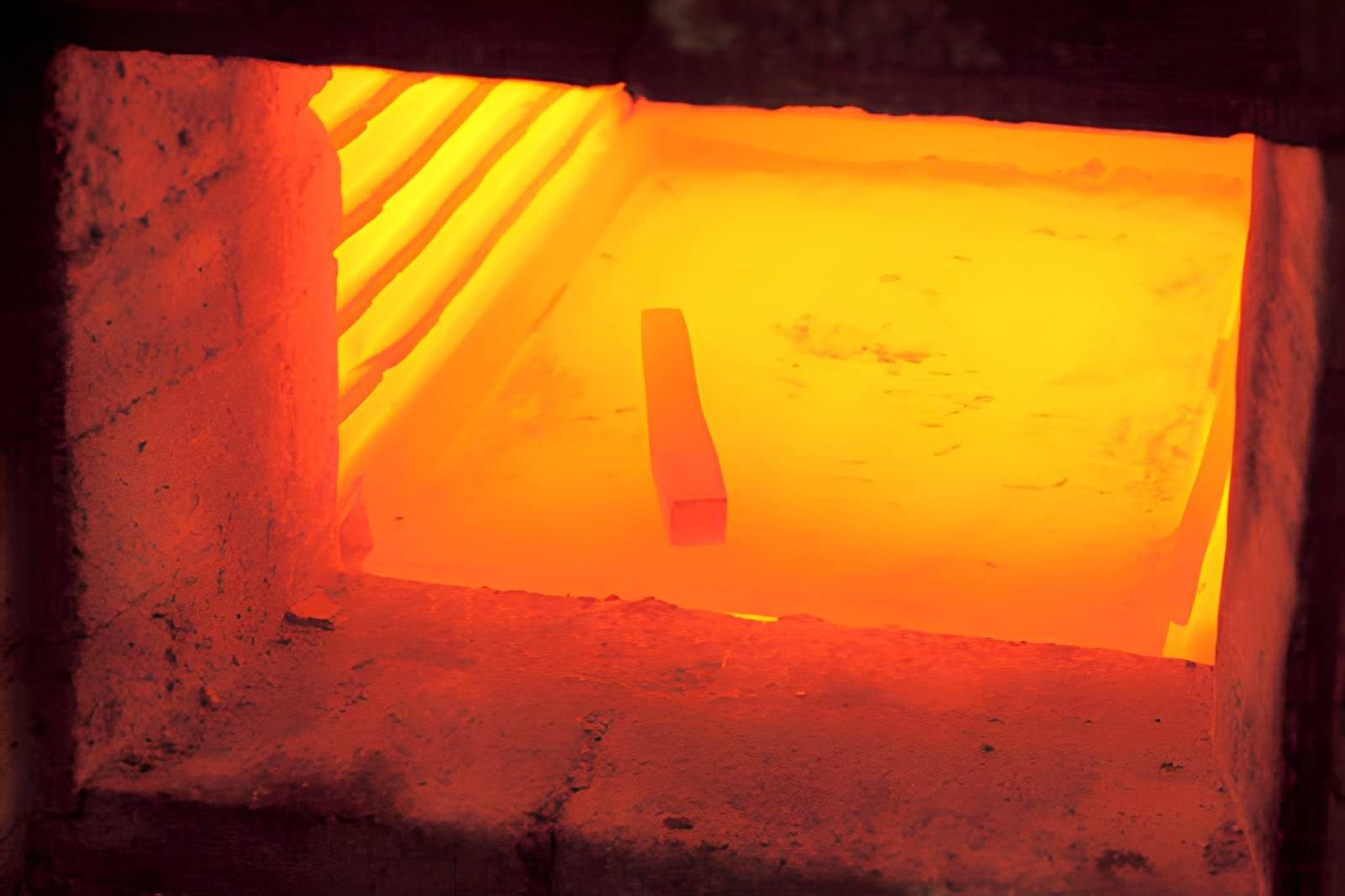
Annealing Steel - iStock
Annealing follows a controlled heat cycle that changes the material condition before the next production stage. The process does not stop at heating alone. Heating temperature, soaking time, and cooling rate all influence the final microstructure and machining response of the material.
Heating, Soaking, and Controlled Cooling
The material first heats to a selected temperature based on alloy type and process target. It stays at that temperature for a controlled period, so heat can spread through the full section. After soaking, the material cools gradually instead of cooling rapidly. Slow cooling helps reduce stress and allows the structure to settle into a softer condition.
How Annealing Changes Metal Structure
Heat exposure changes the internal structure of the material through recovery, recrystallization, and sometimes grain growth. Dislocation density created during rolling, drawing, or forming gradually decreases, while new strain-free grains may form during the heat cycle. This change reduces stored stress and shifts the material toward a more stable condition for later operations.
Recovery, Recrystallization, and Grain Growth
During annealing, the material structure changes in stages. Recovery reduces internal dislocation stress without major grain change. Recrystallization forms new strain-free grains after cold working. If heating continues too long or the temperature becomes excessive, grain growth may occur, which can reduce strength and affect dimensional stability during machining.
Factors That Affect Annealing Results
Annealing results change based on heating temperature, soaking duration, cooling rate, and material composition. Thick sections often need longer heat exposure than thin parts. Different alloys also react differently under the same heat cycle.
How Annealing Changes Machining Behavior
After annealing, many steels and alloys show more stable cutting behavior during CNC machining, especially after heavy forming or cold working operations. Cutting force may be reduced, chip formation can become more stable, and the tool load often changes compared with untreated stock. Material movement after rough stock removal may also be reduced during later machining stages.
Common Types of Annealing
Annealing types differ by temperature range and cooling control. Each method changes the steel condition in a specific way for machining or forming use.
Full Annealing
Full annealing heats carbon or low-alloy steel to about 800 to 950°C, followed by slow furnace cooling. Slow furnace cooling allows ferrite and pearlite structures to develop more gradually, which lowers hardness and improves machinability before further processing. It is used before rough machining to reduce the cutting load.
Process Annealing
Process annealing heats low-carbon steel to 550 to 700°C and cools it in air. It removes work hardening from bending or stamping. Material becomes more ductile for further forming steps.
Stress Relief Annealing
Stress relief annealing uses 450 to 650°C. The part is held at a temperature and cooled slowly. It reduces internal stress from welding, casting, or machining without a major hardness change.
Spheroidizing Annealing
Spheroidizing annealing is used for high-carbon steels at 680 to 750°C. It changes carbide shape into small, rounded particles. This makes machining easier and reduces tool load.
Bright and Isothermal Annealing
- Bright annealing uses controlled protective atmospheres or low-oxygen environments to minimize oxidation and surface scaling. The process minimizes oxidation and surface scaling while maintaining a clean surface condition after heat treatment.
- Isothermal annealing heats steel above the transformation range, then cools and holds it at a set level around 600 - 700°C. It helps form a uniform structure and stable machining behavior.
How Annealing Affects CNC Machining
Annealed material changes how CNC cutting behaves at the tool contact point. Lower hardness and reduced internal stress directly influence cutting load, chip flow, and part movement during machining stages.
Cutting Forces, Tool Wear, and Chip Formation
After annealing, the material generally shears more easily during cutting, so spindle load and cutting force tend to stabilize, especially during roughing passes on larger sections. In steels that previously showed work hardening, chip flow often becomes more predictable. Tool wear may also decrease because the cutter experiences fewer sudden load spikes during engagement.
Residual Stress and Part Distortion
Internal stress reduction after annealing helps control part movement during machining. In untreated stock, material often shifts after roughing when stress is released. Annealed parts usually show less movement after rough machining because residual stress has already been reduced during heat treatment. The difference becomes more noticeable on large weldments, forged sections, and thick plates where uneven stress release would otherwise affect alignment and dimensional stability.
Surface Finish and Machining Stability
Surface finish often becomes more consistent because cutting load variation decreases across the toolpath. However, excessively soft materials may sometimes increase built-up edge formation during machining. The cutter produces fewer surface marks since load variation is reduced during engagement. Machining also becomes more stable, with less vibration during continuous cutting paths like contouring and pocket finishing.
Where Annealing Fits in CNC Manufacturing Workflow
Annealing is placed at different stages of CNC production depending on the material condition and required stability. It is not used at a single fixed point. Instead, it supports machining by controlling hardness, stress level, and part movement before or between operations.
Annealing Before Rough Machining
Annealing is applied before rough machining when stock comes from forging, rolling, or welding. The material enters the CNC with reduced hardness, so the cutting force stays lower during heavy material removal. This also reduces tool load during first-stage machining on large blocks and plates.
Stress Relief Between Machining Operations
Stress relief annealing is used between rough and semi-finish stages. After initial stock removal, internal stress can shift inside the part. A controlled heat cycle reduces this stress before further machining, helping prevent movement during later operations such as pocket finishing or alignment features.
Annealing Before Finish Machining
Annealing before finishing is used when the material still shows unstable cutting behavior after rough machining. It improves chip consistency and reduces vibration during fine contouring. This step supports stable surface generation and tighter dimensional control in final passes.
Post-Machining Heat Treatment Considerations
After machining, some parts undergo final heat treatment to adjust mechanical properties for service use. This stage may include aging or hardening, depending on the material type. Dimensional changes are expected, so critical features are often left with allowance before final treatment.
Annealing Compared With Other Heat Treatment Processes
Heat treatment changes the steel condition before or after machining. Each process affects hardness, stress level, and cutting response in a different way during CNC operations.
Annealing vs Normalizing
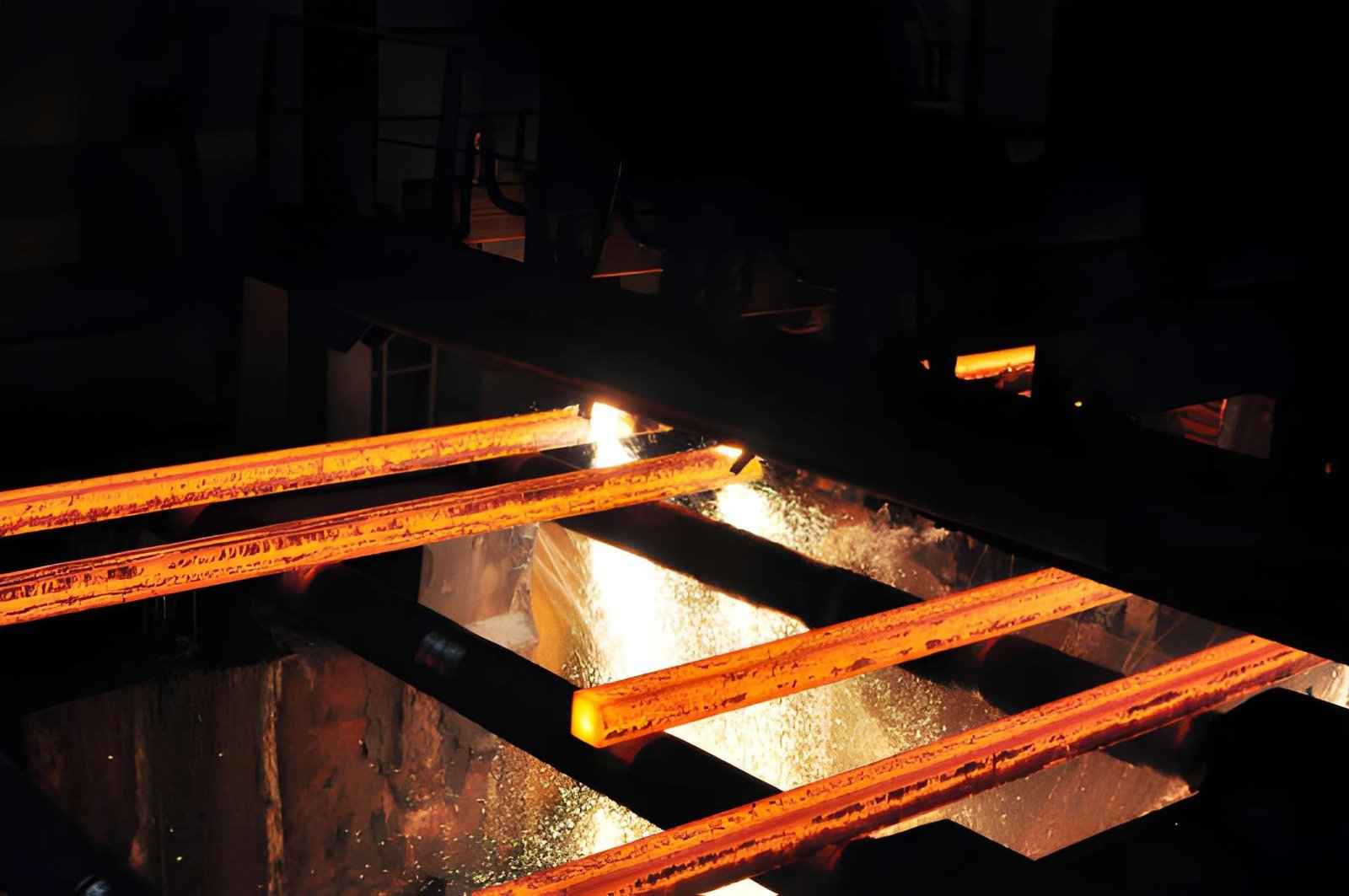
Normalizing Steel - iStock
Annealing uses slow furnace cooling, which produces a softer structure and lower cutting resistance. On the other hand, normalizing uses air cooling, which creates a finer grain structure with slightly higher strength. In machining terms, annealed material usually cuts with lower force and reduced tool wear, while normalized steel often provides more uniform mechanical properties across the section but increases cutting resistance.
Annealing vs Hardening
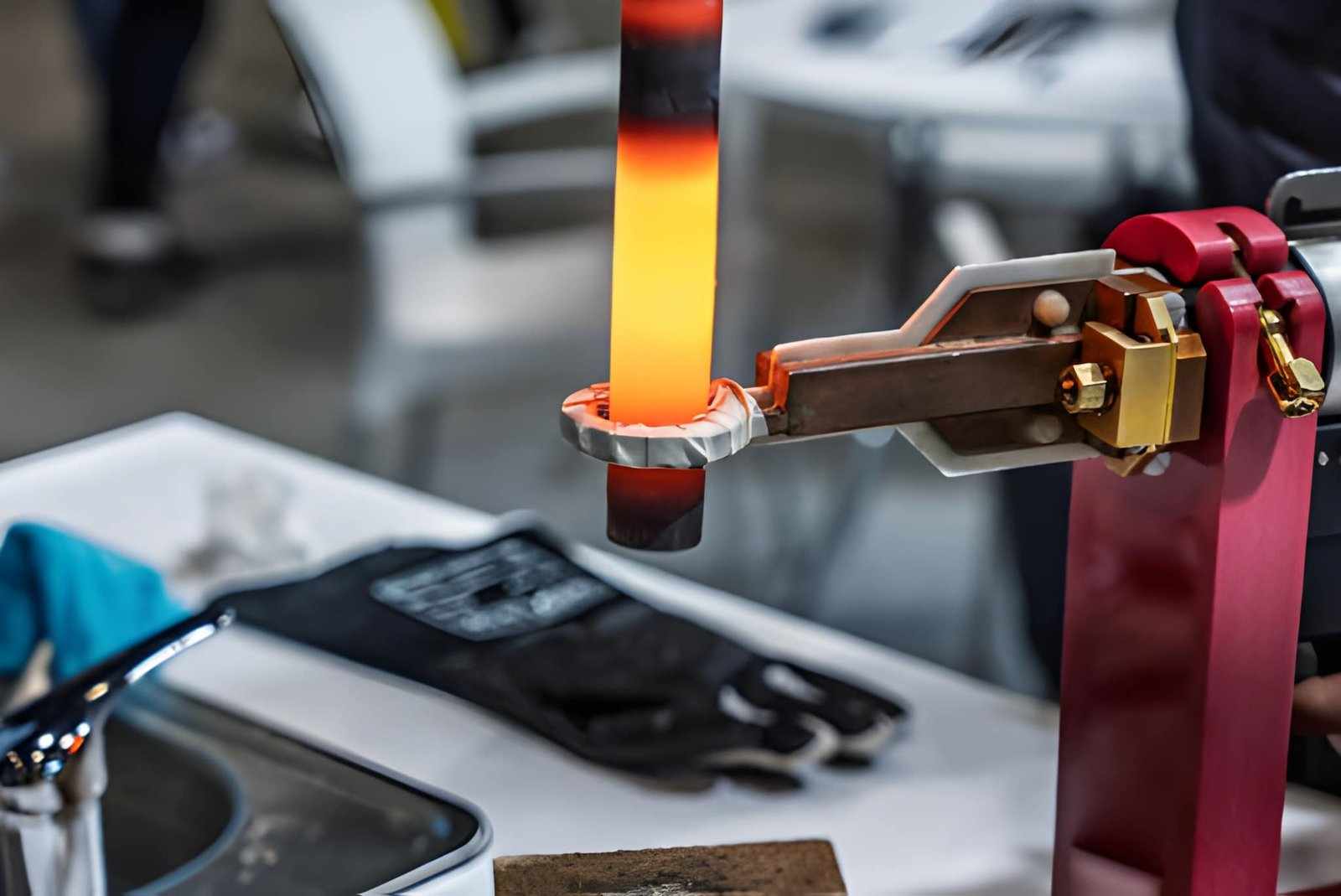
Hardening Steel process - iSTock
Annealing reduces hardness through slow cooling after heating. In contrast, hardening increases hardness through rapid quenching. While annealed stock is easy to machine with lower tool wear, hardened material requires higher cutting force and stronger tooling during CNC operations.
Annealing vs Tempering
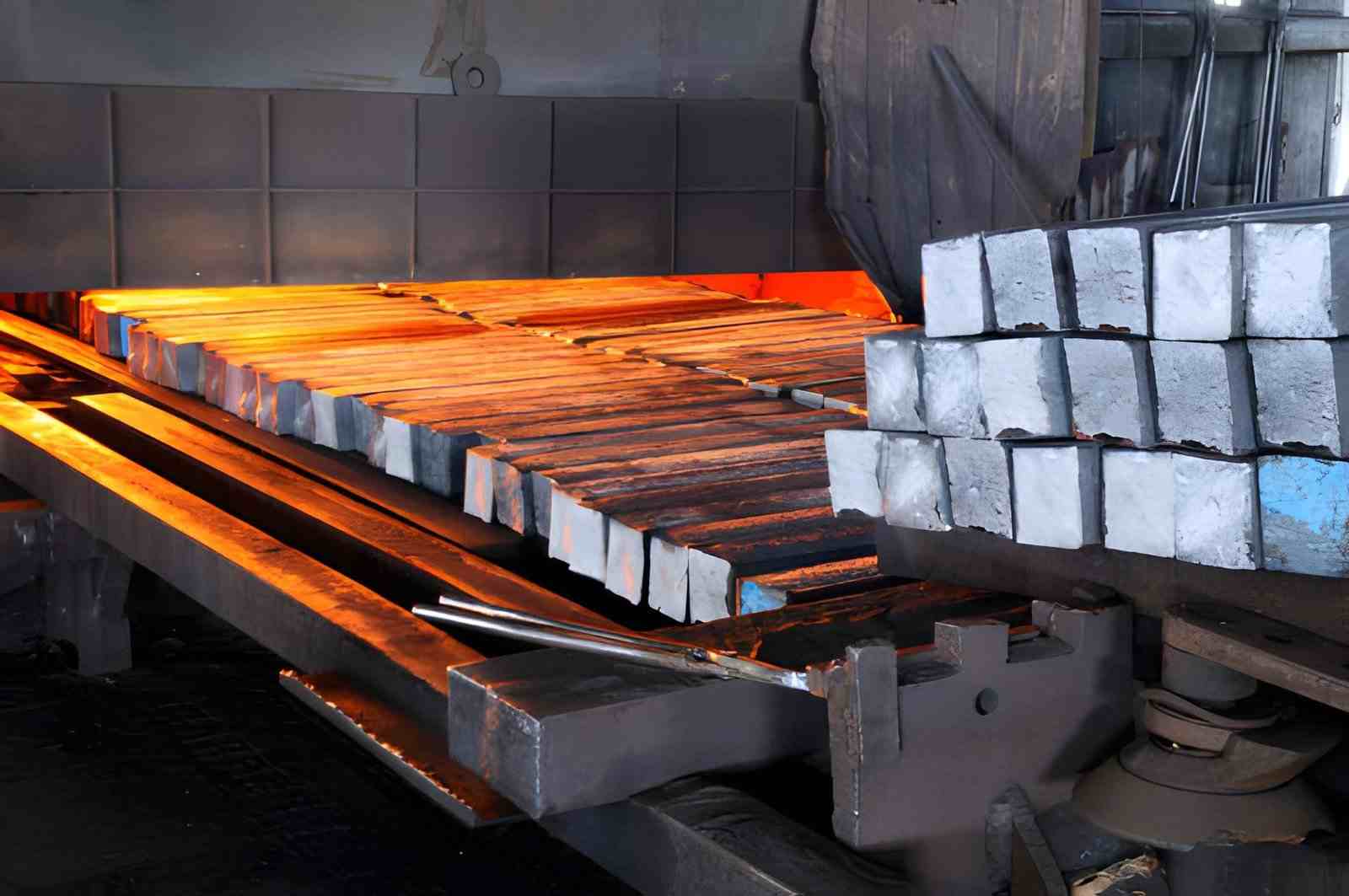
Steel Tempering - iStock
Annealing softens the material fully for machining or forming stages. Whereas tempering is applied after hardening to reduce brittleness without fully softening the steel. In comparison, annealed material is used before machining, while tempered parts are used when final strength is required.
Heat Treatment Comparison Table
| Process | Cooling Route | Peak Temperature Range (Steel) | Resulting Microstructure | Hardness Change (Relative) | Residual Stress Level | CNC Machining Response |
|---|---|---|---|---|---|---|
| Annealing | Furnace cooling (very slow) | ~800–950°C (carbon steels) | Ferrite + pearlite (coarse structure) | Strong decrease | Low | Lower cutting force, steady chip formation, reduced tool load |
| Normalizing | Air cooling (still air) | ~850–950°C | Fine pearlite + ferrite | Medium (higher than annealed) | Medium | Higher cutting resistance, consistent cutting behavior across the section |
| Hardening | Rapid quench (water/oil/polymer) | ~800–900°C | Martensite formation | Sharp increase | High | High tool wear, unstable chip breakage, and high cutting force demand |
| Tempering | Controlled reheating + air cooling | ~150–650°C (after hardening) | Tempered martensite | Reduced from a hardened state | Reduced from a hardened state | Lower brittleness than the hardened state, more stable cutting response compared with the quenched condition |
Common Problems and Limitations of Annealing
Annealing improves material condition, but it also brings practical limitations in production flow. These effects appear during heating control, surface condition, and dimensional behavior after treatment.
Oxidation and Surface Scaling
During heating in a normal furnace atmosphere, steel reacts with oxygen at high temperature. This creates surface scale and oxide layers. After annealing, parts often need cleaning or light machining before CNC operations continue.
Distortion During Heat Treatment
Temperature does not spread evenly through all sections of a part. Thin and thick areas respond at different rates during heating and cooling. This uneven response can cause bending or shape change, especially in long parts and welded structures.
Over-Annealing and Excessive Softening
If heating time becomes too long or the temperature goes beyond the required range, the material loses more hardness than needed. This reduces strength and can affect stability during machining and later assembly stages. Cutting becomes easier, but dimensional control becomes less predictable.
Additional Manufacturing Cost and Lead Time
Annealing adds extra furnace time, controlled cooling, and handling steps before machining continues. These steps increase production time and add cost compared with untreated material flow in CNC manufacturing.
Decarburization on Steel Surfaces
During high-temperature annealing, carbon near the steel surface may react with oxygen if furnace atmosphere control is insufficient. This decarburization layer reduces surface hardness and can affect wear resistance, dimensional accuracy, and later heat treatment response.
Why Parts Distort After Annealing
Distortion happens when internal stress is released during heating. Thermal gradients and uneven stress redistribution cause different sections of the part to expand and relax at different rates during heating and cooling. This uneven release changes geometry slightly, especially in parts with varying thickness or complex shapes.
Materials Commonly Treated With Annealing
Annealing response changes with material structure. Each metal needs a different temperature range and cooling control to achieve stable machining and forming behavior.
Carbon Steel and Alloy Steel
These steel alloys are usually annealed around 750 to 950°C. The process reduces hardness from forging or rolling and releases internal stress. In CNC machining, this results in smoother cutting and more predictable tool load during roughing and finishing.
Stainless Steel
Stainless steel is treated at higher ranges, typically 1000 to 1100°C for austenitic grades. Proper solution annealing and cooling help maintain corrosion resistance by restoring a stable austenitic structure while reducing the effects of work hardening from previous processing operations. This improves cutting stability and reduces tool wear during machining.
Aluminum Alloys
Many aluminum alloys are annealed within approximately 300–415°C, depending on alloy family and temper condition. It also reduces cracking risk during forming and light CNC machining.
Copper and Brass Alloys
- Copper alloys anneal around 300 - 650°C, depending on grade. After annealing, copper alloys become noticeably more ductile and easier to form. In machining, cutting pressure often drops, especially in small-diameter drilling and fine-feature operations where work hardening normally becomes more visible.
- Brass alloys also anneal in the same temperature range. Hard spots reduce, so cutting stays steady in small features. Chip breakage reduces during fine machining work.
When Annealing Is Used in Manufacturing
Annealing appears at specific points in production where material condition starts affecting machining behavior, dimensional control, or part stability. It is placed around key manufacturing stages depending on how the stock has been processed earlier.
Before CNC Machining
Forged, rolled, and cast materials often enter machining with higher hardness and built-in stress. At this stage, annealing is used to adjust material condition so cutting forces stay more consistent during roughing and initial stock removal.
After Welding or Forming
Welding zones and formed sections tend to carry uneven stress distribution. After these operations, annealing is used to reduce internal imbalance, helping limit shape change during later machining or assembly work.
During Multi-Stage Manufacturing
After initial machining passes, internal stress can shift as material is removed. Annealing is introduced between the roughing and finishing stages to stabilize the part before tighter tolerance operations begin.
For Precision or High-Stress Components
Parts designed for tight tolerances or load-bearing use require stable material behavior during final machining. This is particularly useful on parts where small dimensional shifts after rough machining would affect later finishing or assembly alignment.
Conclusion About Annealing
Annealing remains one of the most widely used heat treatment processes in metal manufacturing because it directly affects stress condition, machinability, dimensional stability, and forming behavior before final production stages. It reduces internal stress and adjusts hardness so the material behaves in a more stable way during production.
In CNC work, annealed material cuts more easily, shows steadier chip flow, and reduces tool load changes. It also helps control part movement after rough machining, which improves dimensional accuracy in later steps. In practice, it is used to keep material condition consistent from stock to finished part across different production stages.
At JLCCNC, annealed and heat-treated materials are commonly machined for parts where internal stress, material movement, or dimensional stability affect the machining process. This includes welded structures, forged components, large plates, precision housings, and thin-wall parts that require stable machining behavior across roughing and finishing operations.
Before production starts, the drawing, material condition, and machining sequence are reviewed to reduce unnecessary distortion risk during machining, especially on parts with tight tolerances or complex geometry.
JLCCNC supports both prototype and production machining for steel, stainless steel, aluminum, and engineering alloys used in industrial and mechanical applications.
Upload your CAD file to get a fast quote starting from $1, with lead times as short as 3 days.

Precision CNC Machining Service
Professional manufacturing, fast turnaround, and quality assurance.
FAQs About Annealing
Q: Does annealing make metal softer?
Annealing typically reduces hardness and relieves internal stress by allowing microstructural recovery or recrystallization, depending on alloy type and heat cycle. Cutting becomes easier because the material offers less resistance during machining and forming.
Q: What is the difference between annealing and normalizing?
Annealing uses slow furnace cooling and produces a softer structure. Normalizing cools in air and gives a stronger and more uniform grain structure compared with annealed material.
Q: Why do machined parts sometimes warp after annealing?
Warping happens when internal stress is released unevenly across the part. Different thickness areas cool and react at different speeds, which can slightly change shape.
Q: Can annealed steel still be hardened later?
Annealed steel can still be hardened if its material grade allows it. Final hardness depends on carbon content and the heat treatment process used afterward.
Q: Why is stress relief annealing used after welding?
Welding creates heat-affected zones that hold internal stress. Stress relief annealing reduces this stress and helps keep the part stable in later machining.
Q: Does annealing affect dimensional tolerance?
Some small dimensional changes can happen after annealing due to stress release. For this reason, final machining is usually done after heat treatment.
Q: What happens if metal is over-annealed?
Over-annealing reduces hardness more than required. This can lower strength and make it harder to maintain tight dimensions during machining and assembly.
Q: How long does annealing take?
Annealing time depends on material type, section thickness, heating temperature, and cooling method. Thin parts may complete the cycle within a few hours, while large sections can require much longer soaking and furnace cooling times to achieve uniform temperature and stable material properties.
Keep Learning
Laser Engraving Aluminum: Marking Methods & Surface Effects
Key Takeaways Laser engraving usually removes base material to create a recess. Laser marking is a broader term that can describe a surface-color change or material removal, so the process name alone does not define the final result. On aluminum, alloy and surface finish affect marking contrast. A light mark on dark anodized aluminum is a common design target, but the actual appearance depends on the finish and laser process. JLCCNC laser marking produces a recessed area 0.03–0.1 mm deep. The result i......
CNC Cutting Fluid: Types, Functions, Applications, and Selection Guide
Key Takeaways Cutting fluid in machining performs four functions simultaneously: cooling the tool and workpiece, lubricating the tool-chip interface to reduce friction, carrying chips away from the cut zone, and protecting machined surfaces from corrosion between operations. Different machining operations need different fluid priorities: high-speed aluminum milling may need adhesion control and chip evacuation, threading and tapping need strong lubrication, and grinding requires both cooling and fine ......
Blind Hole Machining Guide: What Is a Blind Hole, Types of Holes, and Tapping Tips
What Is a Blind Hole? Types of Holes and CNC Hole Machining Explained In CNC machining, few operations challenge process control and tool stability as much as blind hole machining. A blind hole is a hole that terminates at a defined internal depth rather than breaking through the opposite surface. Because the cavity is enclosed at the bottom, chip evacuation, thermal behavior, tool wear, and dimensional accuracy become far more difficult to manage compared to through-hole machining. These constraints ......
Rake Angle in Machining: Machinists’ Guide to Perfect Cuts
What is Rake Angle? (minaprem) If you've ever stood in front of a CNC machine or a manual lathe, you know that the cutting tool's geometry isn't just some arbitrary design. Every angle, edge, and surface has a job to do, and one of the most important of those is the rake angle. We've been running machines long enough to know that rake angle can make or break your surface finish, tool life, and machining efficiency. In this guide, we're going to walk you through what rake angle is, how it works, and ho......
Sheet Metal vs CNC Machining: A Guide to Choosing the Right Method for Your Metal Parts
Quick Answer: Choose sheet metal for uniform-thickness enclosures, panels, and formed brackets when bends and production volume support lower unit cost. Choose CNC machining for variable wall thickness, precision bores, tight feature relationships, and complex 3D geometry. Use a hybrid design when a formed structure needs precision-machined interfaces. A quote comes back for a bracket, and it's priced as a CNC part — machined from solid aluminum, a few hours of spindle time, a per-part cost that makes......
What Steps Are Taken To Minimize Waste In CNC Machining Processes?
How to Reduce Waste in CNC Machining: 5 Practical Strategies Quick Answer: CNC machining waste is reduced mainly through DFM, near-net stock, efficient toolpaths, preventive tool maintenance, and alloy-segregated recycling. The biggest gains usually come before cutting: reduce unnecessary material removal and prevent scrap or rework. Every CNC-machined part starts as more material than it ends up being. A pocket gets milled out, a profile gets cut away, a boss gets faced down to size — and all of that......